-
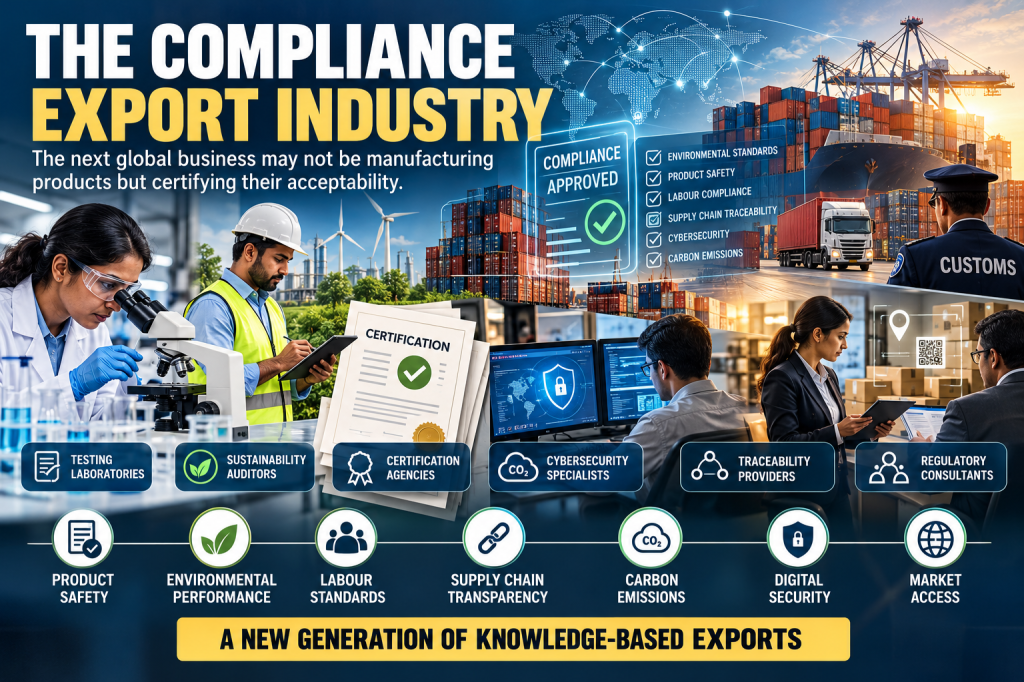
The Compliance Export Industry
The Next Global Business May Not Be Manufacturing Products but Certifying Their Acceptability The Changing Economics of Global Trade For decades, international trade followed a relatively simple economic logic. Countries produced goods, competed on prices, improved quality and searched for overseas buyers. Governments negotiated tariffs, exporters managed logistics, and international…
-
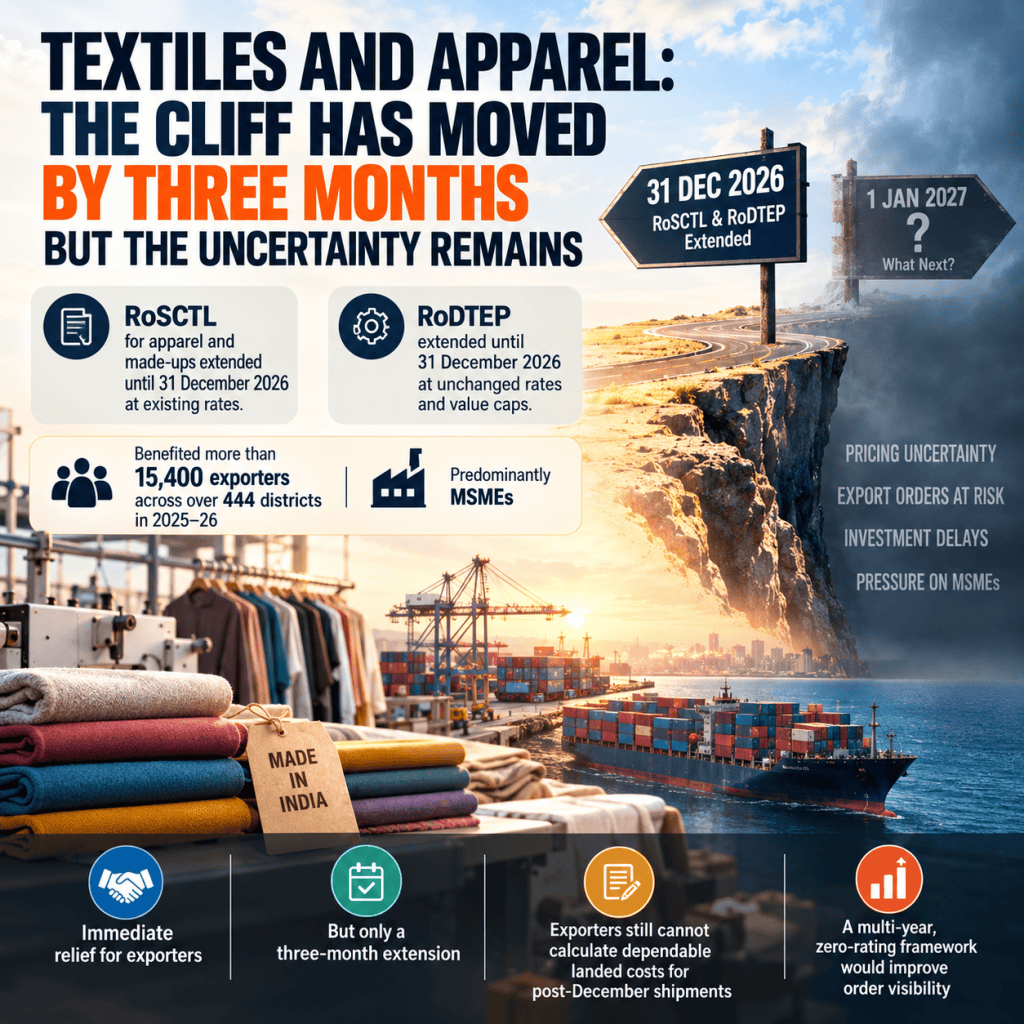
Textiles and Apparel: The Cliff Has Moved by Three Months, but the Uncertainty Remains
India has protected its textile exporters from an immediate policy shock. But extending an incentive is not the same as creating a predictable export environment. The real challenge is no longer simply the cost of exporting. It is the cost of not knowing what exporting will cost tomorrow. The Relief…
-
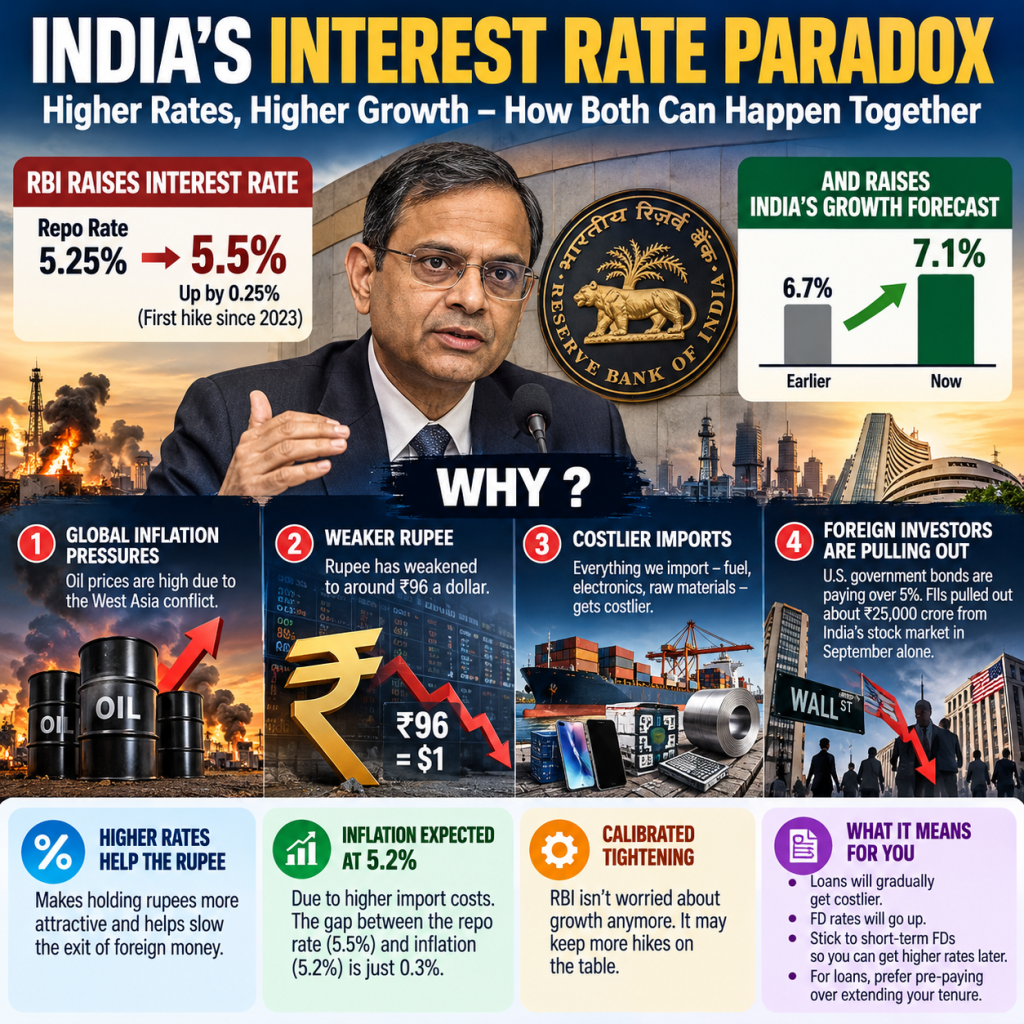
When Strong Growth Meets Expensive Money
Why India may face a new economic challenge in which growth remains strong, but the cost of protecting that growth becomes increasingly high. The New Economic Contradiction. For decades, central banks have followed a familiar economic logic. When growth weakens, interest rates are reduced to encourage borrowing, investment and consumption.…
-
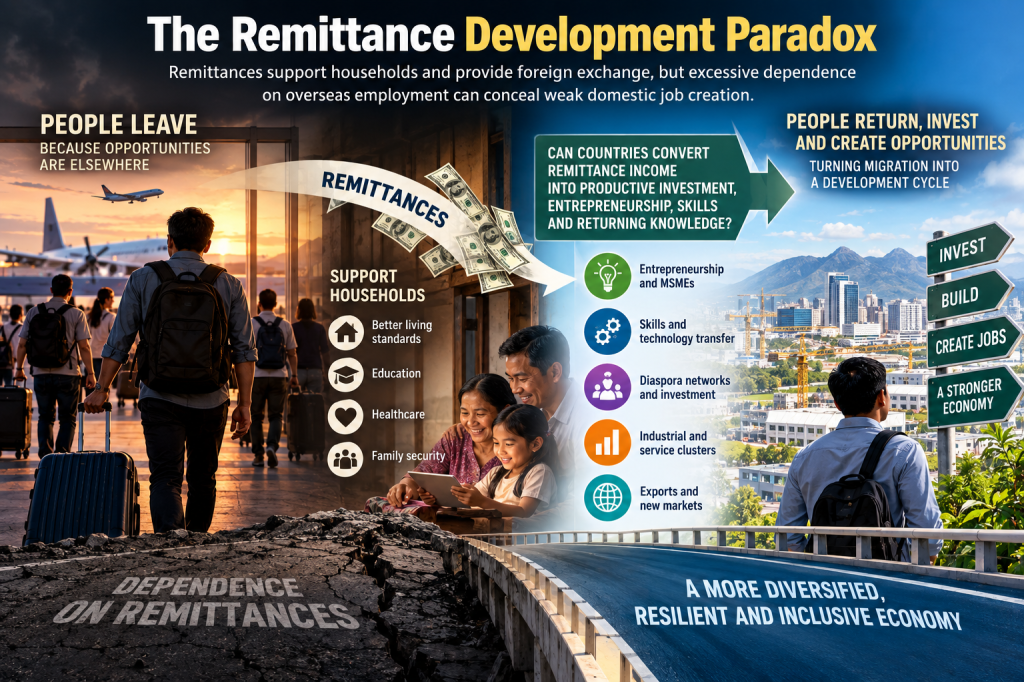
When exporting workers becomes easier than creating jobs at home
For decades, remittances have been treated as one of the quiet successes of globalisation. A worker leaves home, earns abroad and sends money back. The family gains income, the country receives foreign exchange and poverty often falls. Unlike foreign investment, remittances do not require governments to negotiate with multinational corporations.…
-

India May Insure Consumers While Asking Farmers to Take the Risk India’s food policy is entering a difficult contradiction. The country wants farmers to produce more of the crops it chronically imports, particularly pulses, while retaining the freedom to make those same crops cheaper through imports whenever consumer prices rise.…
-
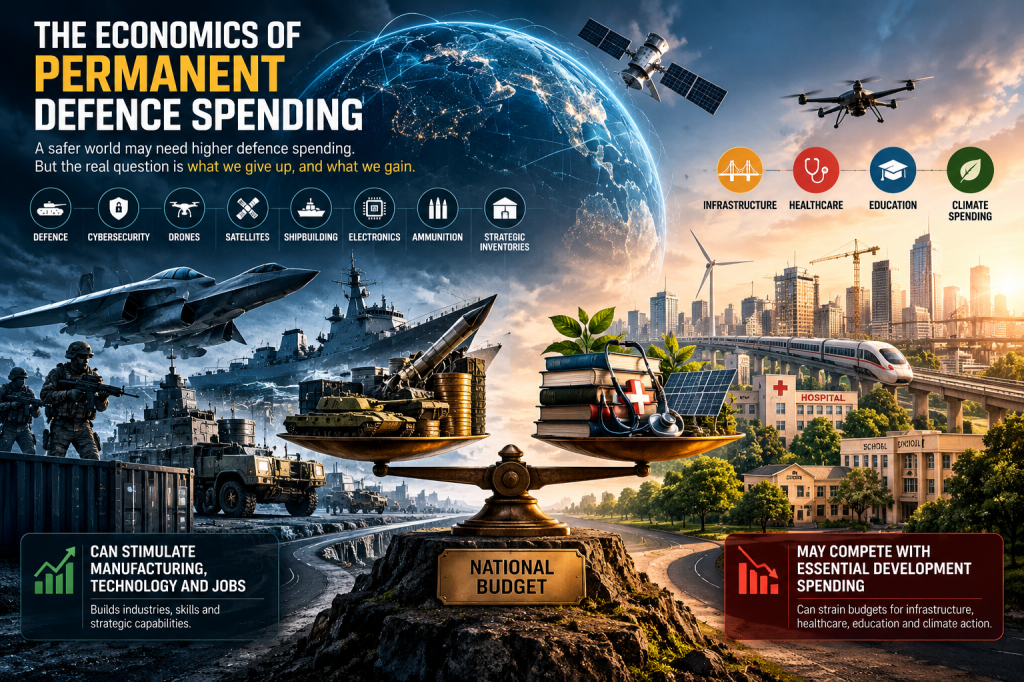
The Economics of Permanent Defence Spending
When Security Becomes a Permanent Economic Sector From Peace Dividend to Security Dividend — For nearly three decades after the Cold War, much of the world behaved as though defence spending could gradually become less central to economic policy. Governments spoke about the peace dividend. Capital could move toward highways,…
-
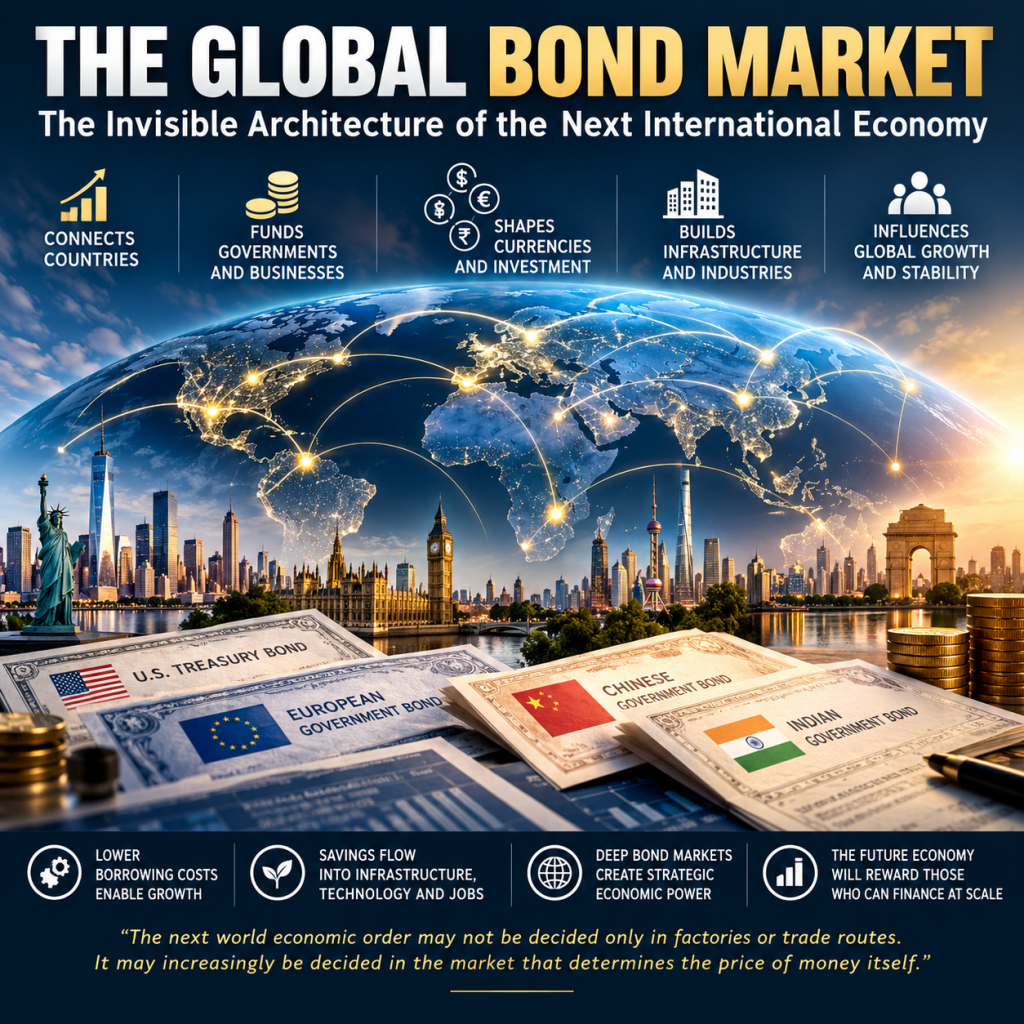
The Global Bond Market: The Quiet Architecture of the Next International Economy
The world talks about trade, but money often moves first. For much of modern economic history, international power was explained through factories, commodities, shipping routes and trade surpluses. But behind this visible economy sits another system that is less visible and, in many ways, more powerful: the global bond market.…
-
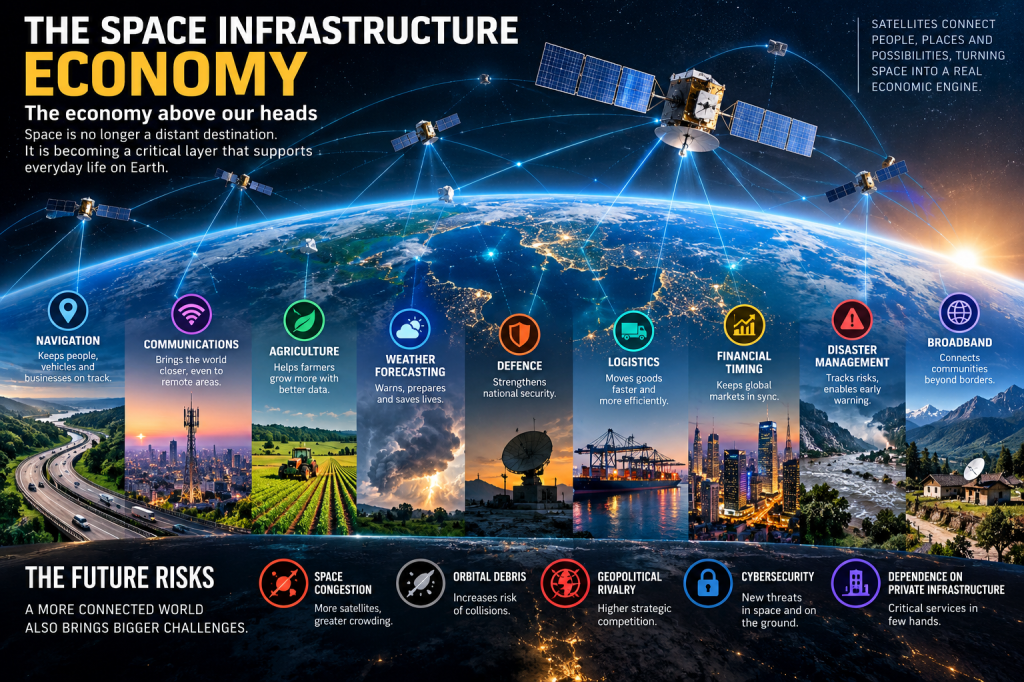
The Economy Above Our Heads
For most of human history, space was something people looked at. Today, it is something economies depend on. The change has happened so quietly that most people hardly notice it. A farmer checking rainfall, a truck finding its destination, an aircraft navigating across continents, a bank recording the exact time…
-
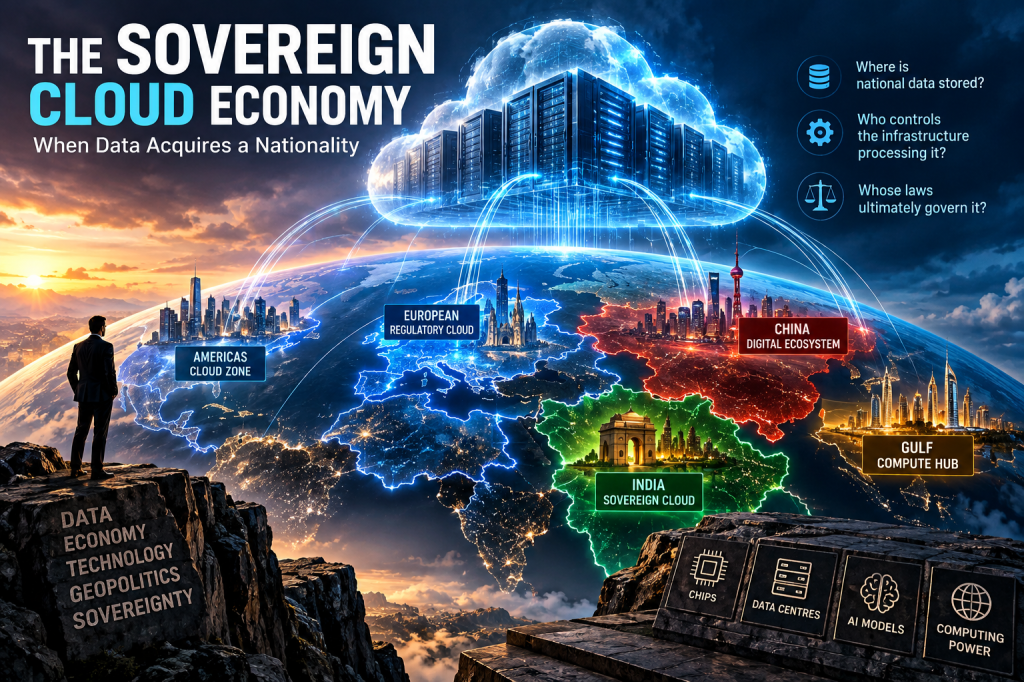
When Data Acquires a Nationality
For most of economic history, sovereignty was visible. A country controlled territory, borders, ports, currencies, natural resources and strategic infrastructure. The industrial age added railways, electricity grids, telecommunications and oil pipelines to this list. The digital age is adding something far less visible but potentially just as strategic: the cloud.…
-
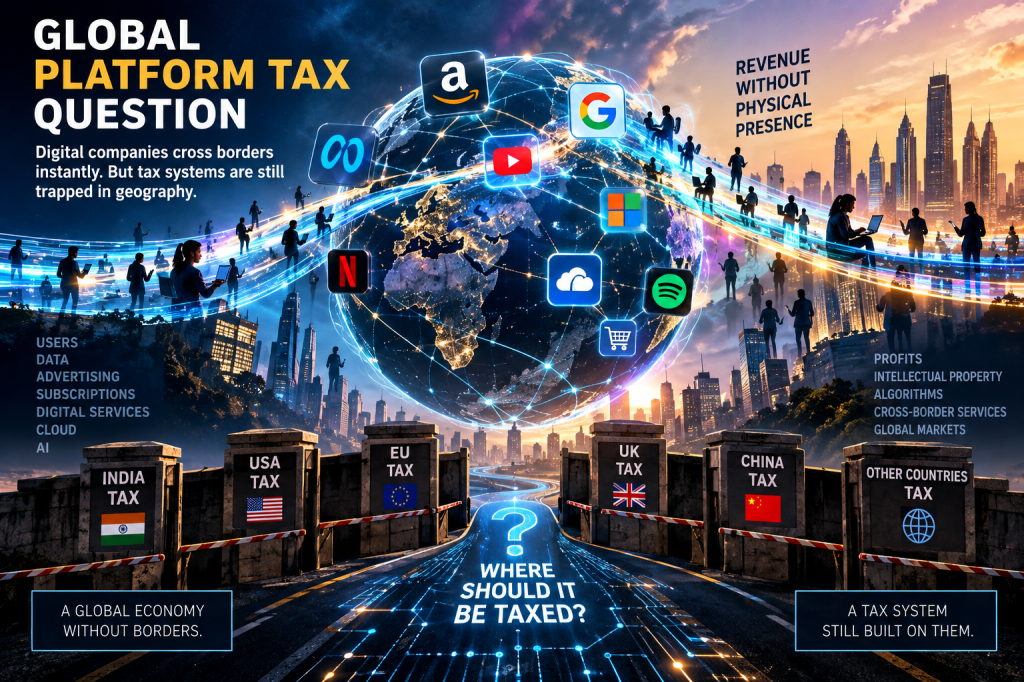
When Business Crosses Borders but Tax Systems Cannot
The tax system was built for an economy that had an address. For most of modern economic history, taxation followed physical geography. A factory stood somewhere. A bank had branches. A retailer had shops. Employees worked from identifiable offices and warehouses. Governments could therefore connect economic activity with territory: if…
-
Subscribe
Subscribed
Have a WordPress.com account? Log in now.

