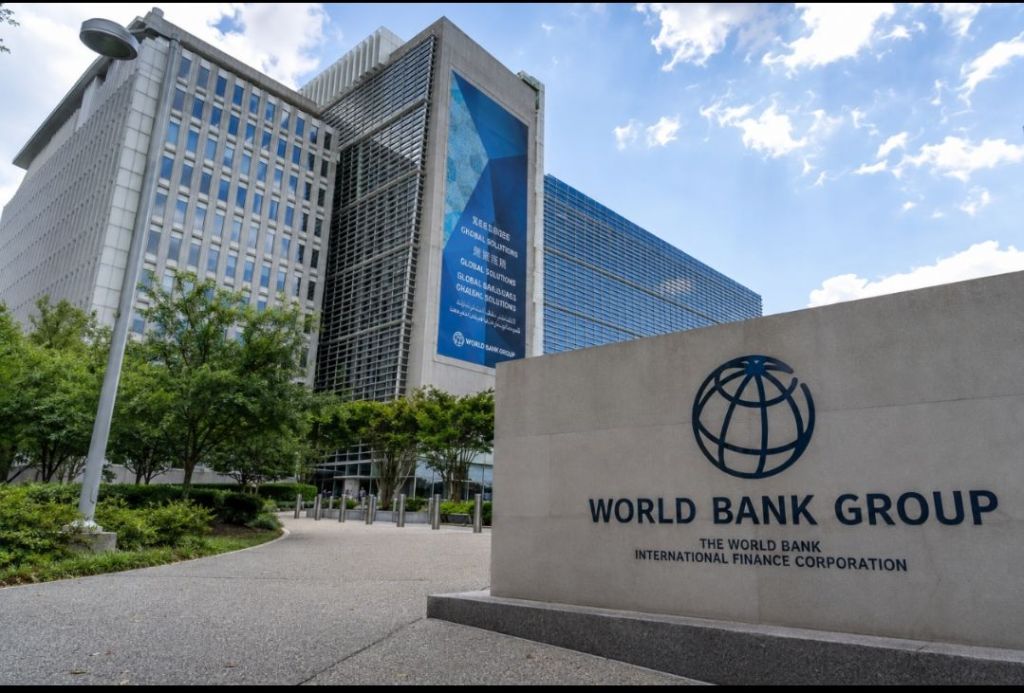
The global financial system is entering one of its most uncertain phases since the creation of the Bretton Woods institutions after the Second World War. Institutions like the International Monetary Fund and the World Bank were originally designed in a period when economic power was concentrated largely in Western economies. At that time, much of Asia, Africa, and Latin America had limited influence over global finance and trade. Today the world economy has changed dramatically, but the governance structures of many global financial institutions still reflect an older geopolitical order. Emerging economies are now demanding greater representation, fairer voting rights, and more flexible financing mechanisms that align with the realities of the twenty-first century.
The growing frustration among developing countries is not only about representation but also about the nature of financing itself. Many countries argue that global financial institutions often impose rigid policy conditions that may stabilize macroeconomic indicators in the short term but can weaken domestic industries, reduce social spending, and deepen inequality in the long run. Structural adjustment programs in several developing economies during the 1980s and 1990s left painful memories of austerity, unemployment, and weakened public systems. While these institutions helped prevent financial collapses in many situations, they also created a perception that the global financial architecture primarily protected creditor interests rather than development priorities.
India and the Demand for Multipolar Financial Governance
India has increasingly positioned itself as a major voice for reform in multilateral governance. As one of the world’s fastest-growing major economies and a leading representative of the Global South, India is pushing for reforms in the IMF, the World Bank, and other international institutions to better reflect current economic realities. India’s argument is simple. Countries that contribute significantly to global growth and population should have a larger role in decision-making processes. The imbalance between economic reality and institutional representation is becoming politically difficult to sustain.
India’s role in forums such as the G20 has strengthened its ability to shape global debates around development financing, climate funding, and debt sustainability. During recent global crises, including the pandemic and supply chain disruptions, India repeatedly highlighted the need for resilient and inclusive financial systems that support developing countries instead of trapping them in cycles of debt and dependency. India is also attempting to balance strategic autonomy with deeper engagement across competing financial ecosystems, including Western-led institutions and emerging platforms associated with China and other developing economies.
The Rise of Competing Financing Ecosystems
One of the biggest structural shifts taking place globally is the emergence of parallel financing systems. For decades, Western-led institutions dominated infrastructure finance and development lending. However, the rise of China as an economic and geopolitical power has created an alternative financing ecosystem through initiatives linked to large-scale infrastructure investment and connectivity projects across Asia, Africa, and Latin America. This has increased options for developing countries, but it has also intensified geopolitical competition over influence, resources, and strategic corridors.
The competition between Western-led and China-led financing systems is reshaping the future of development economics. Many developing countries welcome the faster execution and infrastructure focus associated with Chinese financing. Roads, ports, railways, and energy systems are often delivered much more quickly than traditional multilateral projects. However, concerns have also emerged regarding debt sustainability, transparency, long-term repayment burdens, and strategic control over critical infrastructure assets. The debate around debt-trap diplomacy has become highly political, but it also reflects a deeper global anxiety about how infrastructure financing may influence sovereignty and long-term economic dependence.
At the same time, Western institutions are facing pressure to reform their own financing approaches. Developing economies increasingly demand quicker approvals, flexible conditions, localised development models, and greater respect for domestic priorities. The old donor-recipient framework is gradually becoming less acceptable in a world where many emerging economies possess significant technological, manufacturing, and financial capabilities of their own.
Climate Finance and the New Development Divide
Climate finance is emerging as one of the most contentious issues in global development. Developing countries argue that advanced economies became wealthy through centuries of carbon-intensive industrialisation, yet poorer nations are now being asked to transition toward green growth without adequate financial support. The gap between climate promises and actual financing remains enormous. Trillions of dollars are required globally for renewable energy, resilient infrastructure, disaster adaptation, and sustainable urbanisation, but actual financial flows remain far below requirements.
India faces a particularly complex challenge in this transition. On one side, the country must continue expanding infrastructure, manufacturing, transportation, and energy access for a massive population. On the other side, it faces growing international pressure to accelerate decarbonisation. This creates a difficult balancing act between development and sustainability. India is therefore advocating strongly for climate justice and affordable green financing mechanisms that do not compromise economic growth.
The future of climate finance may become one of the defining geopolitical battles of the coming decades. Countries with access to affordable green technology, critical minerals, and climate financing could dominate the next industrial revolution. Meanwhile, countries lacking financial access may fall deeper into developmental inequality. Climate change is no longer only an environmental issue. It is becoming a question of economic competitiveness, industrial survival, and geopolitical influence.
Blended Finance and the Search for New Models
Traditional public financing alone is no longer sufficient to meet the scale of global infrastructure and sustainability needs. As a result, blended finance models are gaining attention worldwide. These models combine public funding, private capital, development finance, and philanthropic resources to reduce investment risks and mobilize larger pools of money for development projects. India is increasingly experimenting with such approaches in sectors like renewable energy, urban infrastructure, logistics, and digital connectivity.
However, blended finance also carries risks. Private capital naturally seeks profitability and lower risk exposure, while development goals often require investment in vulnerable sectors and regions. If not designed carefully, blended finance could lead to privatization of profits and socialization of risks. The challenge for policymakers will be to ensure that infrastructure financing serves long-term public welfare rather than becoming another mechanism for financial extraction.
South-South Cooperation and the Future of Development Diplomacy
Another important transformation is the growing importance of South-South cooperation. Developing countries are no longer only recipients of development assistance. They are becoming active providers of technical expertise, digital solutions, affordable innovation, and development partnerships. India’s expanding engagement across Africa, Southeast Asia, and parts of Latin America reflects this changing reality. Through digital public infrastructure, affordable healthcare models, capacity building, and technology partnerships, India is increasingly projecting itself as a development partner rather than merely a market.
This shift has both strategic and economic implications. Development diplomacy is gradually becoming a tool of geopolitical influence. Countries that can provide financing, technology, digital systems, and infrastructure support are gaining strategic influence in emerging regions. In this new environment, development partnerships are closely linked with trade access, supply chains, resource security, and diplomatic alliances.
A Fragmented Financial Future
The future global financial order may no longer be dominated by a single institution, currency, or financing model. Instead, the world appears to be moving toward a fragmented and competitive financial landscape where multiple systems coexist and compete. Regional development banks, sovereign wealth funds, digital currencies, bilateral financing arrangements, and alternative payment systems may increasingly challenge the traditional dominance of existing institutions.
For India, this transition presents both opportunities and risks. The country has the potential to emerge as a major bridge between developed economies and the Global South. Its demographic scale, technological capabilities, digital infrastructure, and growing geopolitical relevance provide significant advantages. However, India must also navigate rising global polarization, debt vulnerabilities, climate pressures, and strategic competition carefully.
The deeper crisis facing global financial institutions is not only about governance reform. It is about restoring trust in the idea that global economic systems can support equitable development rather than deepen dependency and inequality. The coming decades may determine whether international finance evolves into a more balanced and inclusive system or becomes another arena of geopolitical rivalry and economic fragmentation. The answer to this question will shape not only the future of developing economies but also the stability of the global order itself.
#GlobalFinance #IMFReform #WorldBank #IndiaEconomy #SouthSouthCooperation #ClimateFinance #InfrastructureFinance #GlobalSouth #DevelopmentEconomics #Geopolitics


Leave a Reply