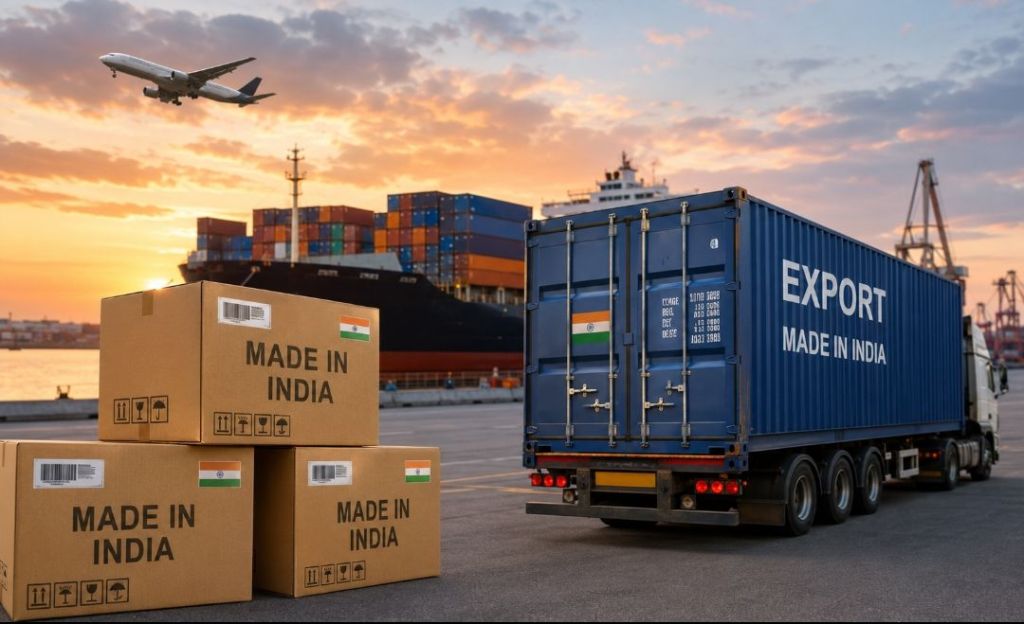
For decades, international trade was largely shaped by tariffs, quotas, and market access negotiations. Today, however, a quieter but increasingly important issue is emerging at the center of global trade discussions. Rules of origin are becoming one of the most critical determinants of who truly benefits from Free Trade Agreements. As countries sign more bilateral and regional trade agreements, the question is no longer simply where a product is shipped from, but where it was actually made and how much value was genuinely created within a participating country.
Historically, rules of origin were designed to prevent countries outside a trade agreement from unfairly benefiting from preferential tariffs. If a product entered a member country through another partner nation without substantial local value addition, it would not qualify for trade concessions. While this principle appeared straightforward in an era of relatively simple manufacturing systems, globalization has transformed production into a complex web of international supply chains. A single product may contain components from ten or more countries before reaching the final consumer. This has made determining true origin increasingly difficult and controversial.
For India, the growing importance of rules of origin has significant economic implications. Over the past decade, India has entered into several trade agreements aimed at expanding export opportunities and integrating domestic industries with global markets. However, concerns have emerged regarding the possibility of third-country goods entering the Indian market through countries that enjoy preferential trade access. Such practices can undermine domestic manufacturing, reduce the intended benefits of trade agreements, and create unfair competition for Indian producers.
As a result, Indian customs authorities have strengthened scrutiny of imported products claiming preferential tariff treatment. Greater emphasis is now being placed on verifying domestic value addition, production processes, and supply chain documentation. The objective is not to restrict legitimate trade but to ensure that trade agreements serve their intended purpose of encouraging genuine economic activity within partner countries. For a country pursuing ambitious manufacturing goals through initiatives such as Make in India, maintaining the integrity of trade agreements is becoming increasingly important.
Domestic manufacturers have also become more vocal on this issue. Many industries argue that trade diversion can weaken local production ecosystems by allowing products with limited local value addition to enter the market at lower tariff rates. This concern is particularly relevant in sectors such as electronics, chemicals, textiles, engineering products, and renewable energy equipment, where global supply chains are highly fragmented. Manufacturers seek a balanced approach that promotes international competitiveness while preventing misuse of trade preferences.
Globally, the challenge is becoming even more complicated. Modern supply chains are no longer linear. Production often involves multiple stages spread across different countries based on cost advantages, technological specialization, and logistical efficiency. As geopolitical tensions increase and companies diversify supply chains away from excessive dependence on a single country, strategic routing of goods through intermediary nations is becoming more common. This creates additional pressure on customs administrations to determine whether products genuinely qualify for preferential treatment.
The rise of regional trade blocs further intensifies these complexities. Companies increasingly redesign supply chains to optimize tariff benefits available under different agreements. While such strategies are legal when they comply with rules of origin requirements, they can blur the line between legitimate trade optimization and trade circumvention. Governments are therefore investing more resources in customs intelligence, digital trade documentation, blockchain-based traceability systems, and advanced data analytics to monitor trade flows more effectively.
Looking ahead, rules of origin may evolve into one of the most strategically important instruments of international trade policy. Future trade agreements are likely to include more detailed provisions on value addition, sustainability standards, environmental compliance, labor practices, and digital traceability. Origin verification may extend beyond manufacturing inputs to include carbon footprints, responsible sourcing, and supply chain transparency. In many ways, the future definition of origin may become as important as the product itself.
The next decade could witness a growing number of trade disputes centered on origin determination. Countries seeking to protect domestic industries while maintaining open trade will face difficult policy choices. Excessive restrictions could increase compliance costs and disrupt supply chains, while weak enforcement could undermine confidence in trade agreements. Achieving the right balance will require stronger international cooperation, harmonized standards, and greater transparency across global production networks.
The broader lesson is that trade agreements alone do not guarantee economic gains. The real beneficiaries are determined by how effectively countries enforce the underlying rules. In a world where goods increasingly cross multiple borders before reaching consumers, rules of origin have become the hidden architecture of global commerce. For India and many other economies, the ability to distinguish genuine value creation from simple trade routing may ultimately determine who wins and who loses in the next phase of globalization.
#RulesOfOrigin #FreeTradeAgreements #GlobalTrade #MakeInIndia #SupplyChains #TradeDiversion #CustomsCompliance #ManufacturingCompetitiveness #TradePolicy #EconomicStrategy


Leave a Reply