There was a time when telecom meant making a phone call and hoping the line would not drop. Then came the era of cheap data, where the internet quietly entered our daily lives through our phones. Today, something deeper is happening. Telecom is no longer just about connecting people. It is slowly becoming the invisible system that runs how we work, how we produce, how we receive healthcare, and even how goods reach us. The shift to 5G is not just faster internet. It is about building a world where everything is connected in real time.
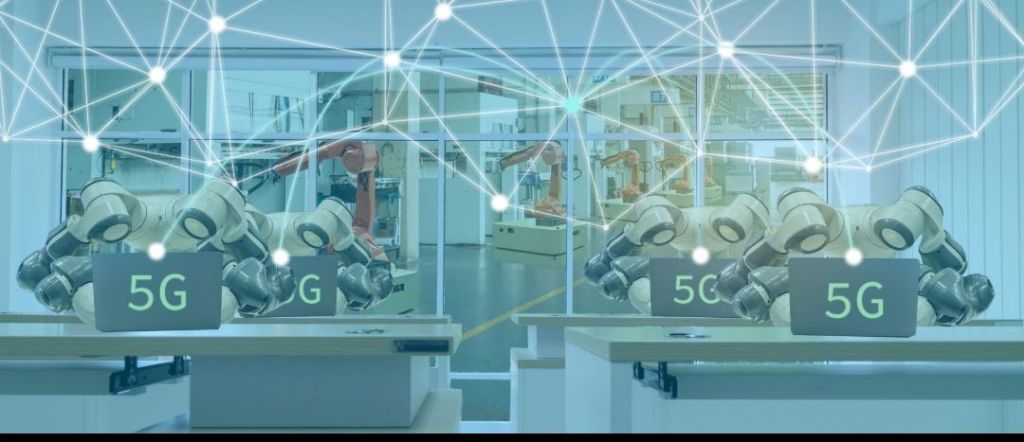
In India, this shift is visible but not always obvious. The rollout of 5G networks has been rapid, almost like a silent upgrade happening in the background. But its real impact is not in faster video streaming. It is in places we do not immediately see. A factory where machines talk to each other and reduce errors. A doctor in a city guiding treatment in a rural clinic through a stable video link. A logistics company tracking goods every second to avoid delays. These are small changes individually, but together they are reshaping how the economy works.
At the same time, there is a side of the story that does not get enough attention. The companies building this entire network are under pressure. Telecom in India has always been a tough business. Prices are low, competition is intense, and investments are huge. Now with 5G, the cost of building and maintaining networks has gone even higher. The expectation is that telecom companies will support the digital future, but the returns are not immediate. It is like building a highway where traffic will come later, but the cost has to be paid today.
This creates a quiet tension. On one hand, telecom is expected to power industries, support startups, enable digital services, and drive growth. On the other hand, the sector itself is trying to stay financially stable. If this gap continues, it may slow down innovation or limit the pace at which these benefits reach smaller businesses and rural areas.
Globally, the story becomes even more complex. Telecom is no longer just a business decision, it is also a political one. Countries are becoming cautious about where their telecom equipment comes from and who controls their data. Trust is becoming as important as technology. At the same time, there is growing concern about data security and privacy. As more of our lives move online, the networks carrying that data become critical, almost like national infrastructure.
Another challenge is simple but important. People are not always willing to pay more for better speed. So telecom companies are looking beyond consumers and focusing on industries. But industries take time to adapt. They need systems, training, and investments before they fully use 5G. This means the benefits of 5G will grow slowly, not overnight.
Looking ahead, telecom will quietly shape the future in ways we may not always notice. It will sit behind smart cities, connected healthcare, automated factories, and digital services. It will not always be visible, but it will always be present. The real question is whether we can build a system where telecom companies remain strong enough to support this transformation, while also making these technologies accessible to everyone.
Because in the end, telecom is not just about technology. It is about people. It is about a student attending an online class without interruption, a patient getting timely advice, a small business reaching new markets, and an economy that runs more smoothly because everything is connected. If this balance is achieved, telecom will not just be the backbone of the digital economy, it will be the quiet force that makes everyday life a little easier and a little more connected.
#5GTransformation #DigitalEconomy #TelecomInfrastructure #SmartManufacturing #Telemedicine #DigitalLogistics #DataSovereignty #CyberSecurity #TelecomFinance #NetworkEconomics


Leave a Reply