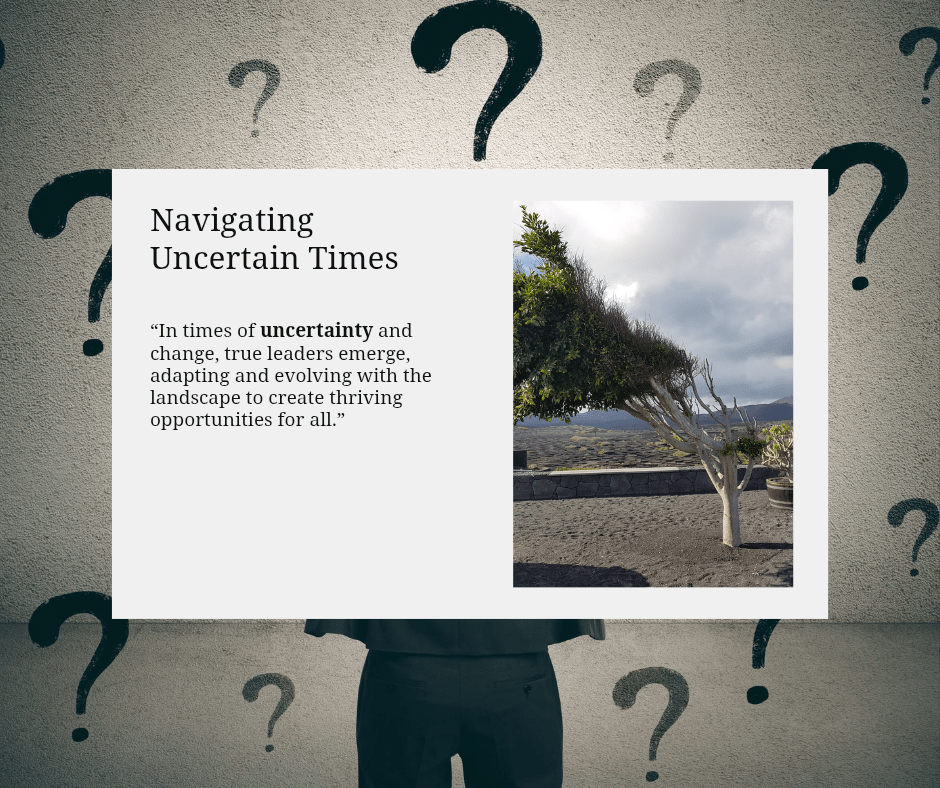
In an increasingly unpredictable global environment, businesses must prepare for a wide range of outcomes—both expected and unforeseen. The concept of strategic optionality has emerged as a crucial tool for companies aiming to navigate uncertainty. This approach involves proactively considering multiple potential scenarios and designing strategies to adapt accordingly. However, true resilience in business goes beyond mere survival—it involves positioning an organization to both defend and take calculated risks, ensuring long-term success even in volatile conditions.
Understanding Strategic Optionality
At its core, strategic optionality means having a range of well-planned choices that can be activated as situations evolve. Businesses that invest in strategic optionality prepare for known risks (“known knowns”) and potential uncertainties (“known unknowns”). This preparation allows them to quickly pivot when disruptions occur, rather than reacting with panic or paralysis.
One clear example of this principle in action comes from the brewing industry in Ukraine. Despite the challenges posed by war, a major brewing company chose not only to protect its existing workforce and operations but also to expand its investment in Kyiv. This decision was a bold offensive move—one that only a resilient company with strong strategic optionality could take. By maintaining readiness for different scenarios, the company was able to transition from defense (employee safety and business continuity) to offense (investing and growing in the midst of crisis).
Resilience: More Than a Defensive Strategy
Traditionally, resilience is viewed as a defensive characteristic—one that helps businesses weather economic downturns, geopolitical risks, or supply chain disruptions. However, true resilience is not just about surviving; it is about thriving by taking calculated risks at the right moments.
Resilient companies do not simply protect themselves from uncertainty; they build internal strength to capitalize on opportunities in turbulent times. This involves:
- Developing Adaptive Leadership: Strong leaders must be able to manage crises effectively while remaining open to bold, strategic moves. Leadership should not be assessed only by achievements in favorable conditions but also by how individuals handle setbacks and challenges.
- Preparing for Uncertainty: Businesses should simulate different market scenarios and stress-test their operations, ensuring that teams are trained to respond effectively to crises.
- Fostering a Culture of Courageous Decision-Making: Organizations should encourage decision-making that balances caution with strategic risk-taking, ensuring that teams are not merely reacting to circumstances but proactively shaping their own outcomes
- Leadership and the Role of Resilience in Uncertain Times
Many leaders appear highly effective when external conditions are favorable—when markets are expanding, consumer demand is strong, and capital is readily available. However, true leadership is tested when conditions become unpredictable.
Organizations should prioritize leaders who have experienced setbacks and learned from them. When evaluating senior leadership candidates, their responses to crises and failures are often a better indicator of their ability to guide a company through turbulence than their past successes.
This aligns with the idea that resilience is a muscle that needs to be built over time. Exposing future leaders to different market conditions, competitive pressures, and crisis scenarios before they take on major responsibilities ensures that they have the experience necessary to navigate uncertainty with confidence.
Lessons for Businesses: A Balanced Approach to Resilience and Risk
Incorporating strategic optionality and resilience into business strategy is not just a matter of defensive preparation—it is about staying agile and making courageous decisions even in unpredictable environments. Some key takeaways include:
- Think Beyond Immediate Risks: Businesses must map out both short-term and long-term uncertainties, ensuring they are ready for multiple potential futures.
- Invest in People and Leadership Development: The ability to handle setbacks and navigate uncertainty is a critical trait for leadership. Organizations should focus on preparing their leaders through exposure to diverse challenges before they reach top positions.
- Resilience Is a Competitive Advantage: Companies that view resilience as a strength—not just a safeguard—are better positioned to act decisively, turning crises into growth opportunities.
- Strategic Optionality Requires Intentional Planning: The ability to pivot effectively during uncertain times is not accidental—it is the result of careful preparation, scenario analysis, and investment in flexible capabilities. Conclusion: Building Organizations That Thrive in Uncertainty
The future is inherently uncertain, but businesses that embed strategic optionality and resilience into their DNA can play both defense and offense. Rather than viewing resilience as merely a shield against risk, organizations should embrace it as a source of strength that enables bold, calculated decisions.
The example of investment in Ukraine demonstrates that even in the most challenging conditions, companies that have prepared for multiple outcomes can move forward confidently. This should serve as a powerful lesson: those who prepare to adapt and take courageous, well-informed risks will emerge stronger—no matter what the future holds.


Leave a comment