The Culture was once treated as memory, identity, and continuity between generations. Today it is increasingly being converted into an economic instrument. Heritage cities, traditional cuisine, handicrafts, festivals, cinema, wellness traditions, spirituality, and even local identity are now entering the global marketplace as products, experiences, and geopolitical tools. Nations are no longer competing only through industry, military power, or technology. They are also competing through emotional influence, storytelling, and cultural visibility. The global economy is slowly entering an age where culture itself is becoming a form of capital.
India possesses one of the richest cultural ecosystems in human history. From Ayurveda and yoga to Banarasi weaving, tribal art, temple architecture, classical music, local cuisines, spiritual traditions, and regional storytelling, India has inherited civilizational assets that many countries can only attempt to artificially create. Yet the uncomfortable reality is that India still struggles to convert this enormous cultural wealth into sustainable economic power. The problem is not absence of culture. The problem is absence of strategy, institutional depth, and ownership over value chains.
Visibility Without Control
Indian GI products, handicrafts, spiritual tourism, and wellness traditions are becoming globally visible. Yoga has become a worldwide industry. Ayurveda is entering wellness markets across continents. Indian cuisines are expanding globally. Handcrafted textiles and artisanal products are increasingly valued in premium lifestyle markets. Spiritual destinations like Varanasi, Rishikesh, Bodh Gaya, Tirupati, and Amritsar attract millions every year.
But visibility should not be confused with economic control. Much of the global monetisation of Indian culture is being captured outside India. International wellness corporations, luxury retailers, tourism platforms, and global branding agencies often earn more from Indian cultural traditions than the communities that created them. India supplies authenticity while others control packaging, marketing, certification, logistics, digital distribution, and global consumer access.
This is one of the deepest structural failures of the Indian cultural economy. The artisan remains poor while the global lifestyle industry becomes richer using the same heritage.
The Silent Collapse of Artisan Economies
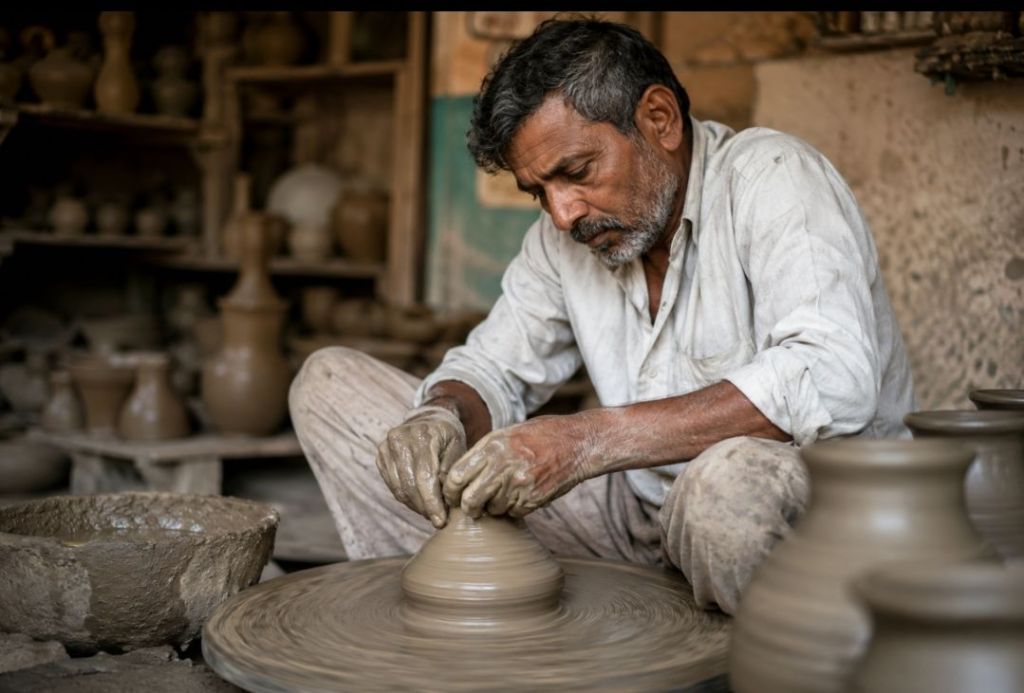
Behind the romantic language of heritage preservation lies a painful human crisis. Across India younger generations are abandoning traditional occupations. Handloom weaving, pottery, wood carving, folk music, metal craft, natural dyeing, and numerous indigenous knowledge systems are losing continuity because they no longer guarantee stable incomes or social dignity.
The market often celebrates the final product while ignoring the economic condition of the producer. Many artisans work in fragmented supply chains dominated by middlemen. Rising raw material costs, lack of branding, poor market intelligence, limited digital access, weak institutional financing, and absence of design support continue to trap cultural producers at subsistence levels.
India may soon face a dangerous paradox. Global demand for authenticity may rise sharply while the actual communities capable of producing authentic cultural goods disappear slowly. Once artisanal ecosystems collapse, they cannot be recreated easily through short-term training programs because these skills are civilizational inheritances accumulated over centuries.
The loss is not merely economic. It is the disappearance of memory, regional identity, and social continuity.
Digital Platforms and the Speed of Cultural Consumption
Digital platforms are radically transforming cultural visibility. A regional dance form, local recipe, tribal art style, or spiritual practice can now reach global audiences within hours. Social media has broken geographical isolation and allowed cultural creators to bypass traditional gatekeepers.
But the digital economy rewards virality, speed, and visual attraction rather than depth or authenticity. Culture increasingly risks becoming performance material for algorithms. Sacred traditions become entertainment clips. Indigenous symbols become fashion accessories. Rituals become commercial spectacles disconnected from their historical and spiritual meaning.
This rapid digitisation creates another danger. Global audiences consume cultural fragments without understanding the communities behind them. The emotional and philosophical depth of traditions gets replaced by superficial aesthetics designed for commercial engagement.
In many cases local cultures are not being preserved. They are being reformatted for digital consumption.
Soft Power and the New Geopolitical Battlefield
Culture is now part of geopolitical competition. Countries are using cinema, music, food, fashion, gaming, language, and digital entertainment as instruments of strategic influence. South Korea transformed K-pop and cinema into global economic assets. Japan converted anime, cuisine, and design culture into long-term soft power. Western countries continue to dominate global narratives through entertainment industries and digital platforms.
India has immense soft power potential because it combines spirituality, diversity, democratic openness, cuisine, cinema, philosophy, and historical continuity. But soft power without economic structure becomes symbolic rather than transformative.
India still lacks integrated cultural export systems capable of connecting artisans, tourism, logistics, digital commerce, branding, intellectual property protection, and international marketing into a coherent ecosystem. Policy discussions often celebrate culture emotionally while ignoring the economic architecture required to sustain it globally.
If India does not build this architecture quickly, foreign corporations and global platforms may become the permanent gatekeepers of Indian culture itself.
Commercialisation and the Crisis of Authenticity
The most critical challenge is emerging from excessive commercialisation. As culture becomes profitable, authenticity begins weakening. Tourist-driven versions of traditions replace real traditions. Artificially manufactured heritage products flood markets. Spirituality becomes packaged consumption. Cultural spaces increasingly operate according to commercial demand rather than community meaning.
This creates a deep contradiction. The more culture becomes commercial, the greater the risk that it loses the authenticity that originally created economic value. Communities may begin performing identity for markets instead of living it naturally.
In the long run this can create cultural exhaustion. Local populations may feel alienated from their own traditions as culture becomes designed primarily for tourists, export buyers, and digital audiences.
The Future of the Cultural Economy
The next phase of global competition may not be fought only through factories, semiconductors, or military alliances. It may also be fought through emotional influence, identity ecosystems, cultural trust, and civilizational branding. Nations capable of protecting and monetising their cultural ecosystems intelligently may dominate tourism, premium lifestyle markets, creative industries, and global influence networks.
India possesses extraordinary advantages in this future world. But emotional pride alone cannot build cultural economies. Cultural sectors require investment, institutional support, export strategy, intellectual property systems, digital infrastructure, branding capabilities, and social protection for artisan communities.
The real danger is that India may become globally famous for culture while the original custodians of that culture remain economically invisible. If that happens, culture will not become empowerment. It will become extraction.
The future will therefore depend on whether India treats culture merely as symbolic heritage or as a living economic ecosystem where dignity, authenticity, livelihoods, and identity survive together.
#CultureEconomy #SoftPower #GIProducts #IndianCrafts #SpiritualTourism #DigitalCulture #ArtisanCrisis #CreativeEconomy #CulturalExports #HeritageEconomy


Leave a comment