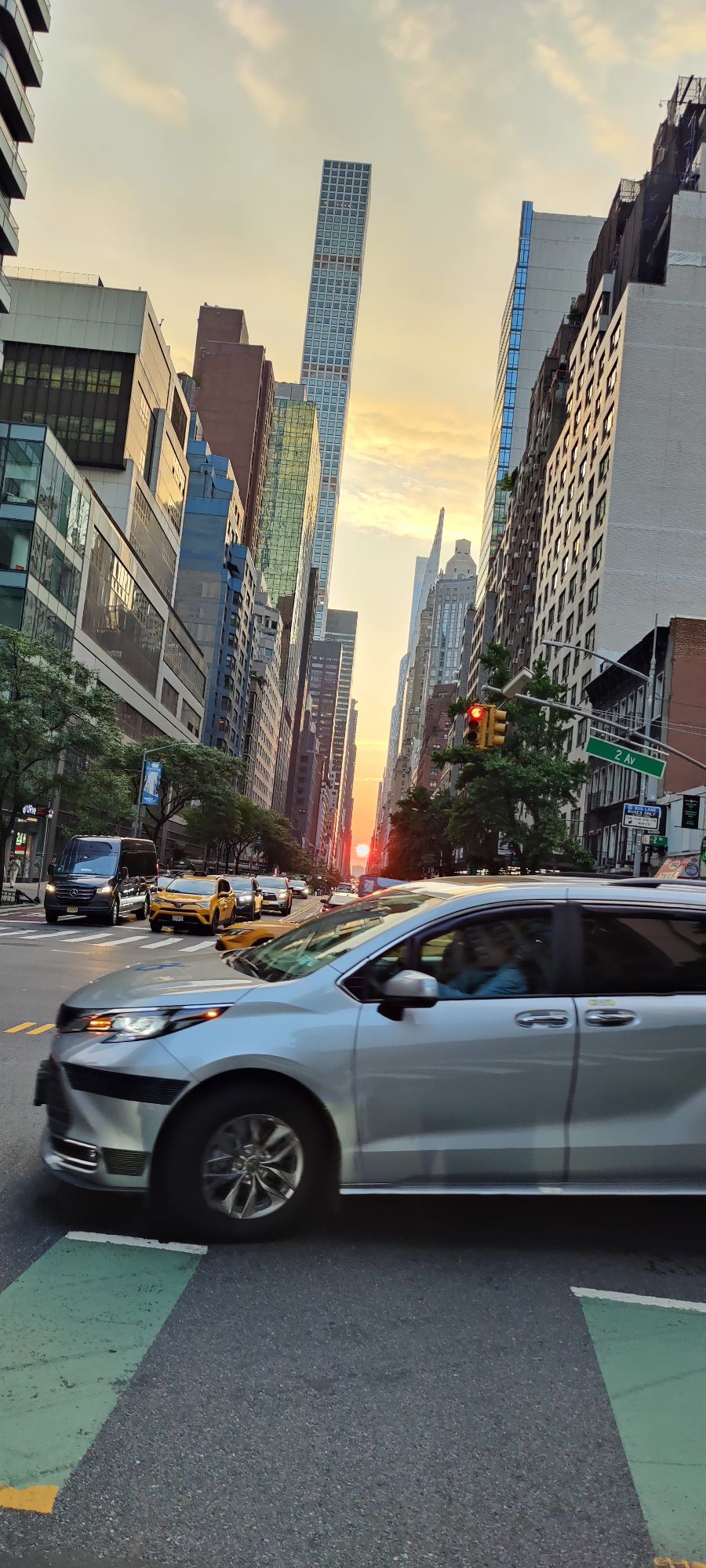
As the world continues to urbanize, cities in low- and middle-income countries (LMICs) face a pivotal challenge—and opportunity. The pressing need to transform urban environments into resilient and low-carbon spaces is not just an environmental imperative but a socioeconomic one. A recent World Bank report sheds light on the scale of this challenge and the path forward.
The Investment Imperative
According to the report, the cost of achieving resilient and low-carbon urban development in LMICs is estimated to range from US$ 256 billion to US$ 821 billion per year until 2050. While daunting at first glance, this investment represents only 0.8% to 2.6% of the combined GDP of these countries—a manageable figure when considering the returns in terms of job creation, infrastructure resilience, and climate adaptation.
These investments are not merely aspirational. They are foundational for:
Upgrading essential infrastructure such as transport, energy, housing, and waste management.
Creating new employment opportunities through green sectors and construction.
Reducing urban vulnerability to climate-related shocks like floods, heatwaves, and sea-level rise.
Promoting inclusive and sustainable growth across expanding urban populations.
Why the Time to Act is Now
Urban centers are at the frontline of climate change. A growing share of LMIC urban residents live in informal settlements that are especially vulnerable to extreme weather and environmental degradation. At the same time, cities are responsible for over 70% of global CO₂ emissions. Unless LMICs act now to integrate climate resilience and sustainability into their urban planning, the costs of inaction—both human and economic—will far outweigh the costs of investment.
The Triple Strategy: Funding, Financing, and Efficiency
The World Bank report highlights three foundational strategies to bridge the financing gap:
1. Strengthening Public Funding Capacity
National and local governments must improve their ability to raise, allocate, and manage public funds. This involves expanding tax bases, eliminating inefficient subsidies, and prioritizing climate-smart investments in public budgets.
2. Mobilizing Private Finance
Public funds alone will not suffice. LMICs must unlock private sector participation through instruments like green bonds, blended finance, and public-private partnerships (PPPs). Ensuring a stable regulatory framework, risk-sharing mechanisms, and transparent governance can increase investor confidence.
3. Maximizing Investment Efficiency
Every dollar must count. This means strengthening institutional capacity, promoting integrated urban planning, and leveraging digital tools to reduce project costs and increase service delivery. Proper project preparation, monitoring, and citizen engagement are essential to improving outcomes.
Turning Costs into Opportunity
The long-term benefits of resilient and low-carbon cities go far beyond immediate climate mitigation:
Economic productivity rises as cities become more livable and efficient.
Health outcomes improve through cleaner air, reduced heat exposure, and better sanitation.
Social inclusion is enhanced, especially for marginalized groups most affected by climate risk.
A Global Priority with Local Action
While international donors and multilateral banks have a role to play, much of the momentum must come from within LMICs themselves. Local leadership, empowered municipalities, and proactive communities are critical in designing and implementing sustainable urban transformation.
Moreover, international cooperation and knowledge sharing can accelerate learning and innovation, helping cities adopt best practices and avoid costly mistakes.
Financing the transition to resilient and low-carbon cities in LMICs is not just about managing costs—it’s about seizing the opportunity to reshape urban futures. With smart planning, strategic investment, and inclusive governance, the cities of tomorrow can be hubs of prosperity, equity, and sustainability.
#UrbanResilience
#LowCarbonCities
#ClimateInvestment
#SustainableDevelopment
#GreenInfrastructure
#PublicPrivatePartnerships
#CityPlanning
#LMICUrbanization
#ClimateAdaptation
#GreenFinance
 "Connecting communities, empowering nations: Unifying the Regional and Global Economy ."
Leave a comment