The global pursuit of net-zero emissions is intensifying as the 2030 Agenda for Sustainable Development approaches. With mounting concerns over climate change, resource depletion, and social sustainability, the world is transitioning toward a more resilient and adaptive energy future. One of the most promising solutions to reducing carbon footprints and promoting circular economies is the advancement of wind energy.
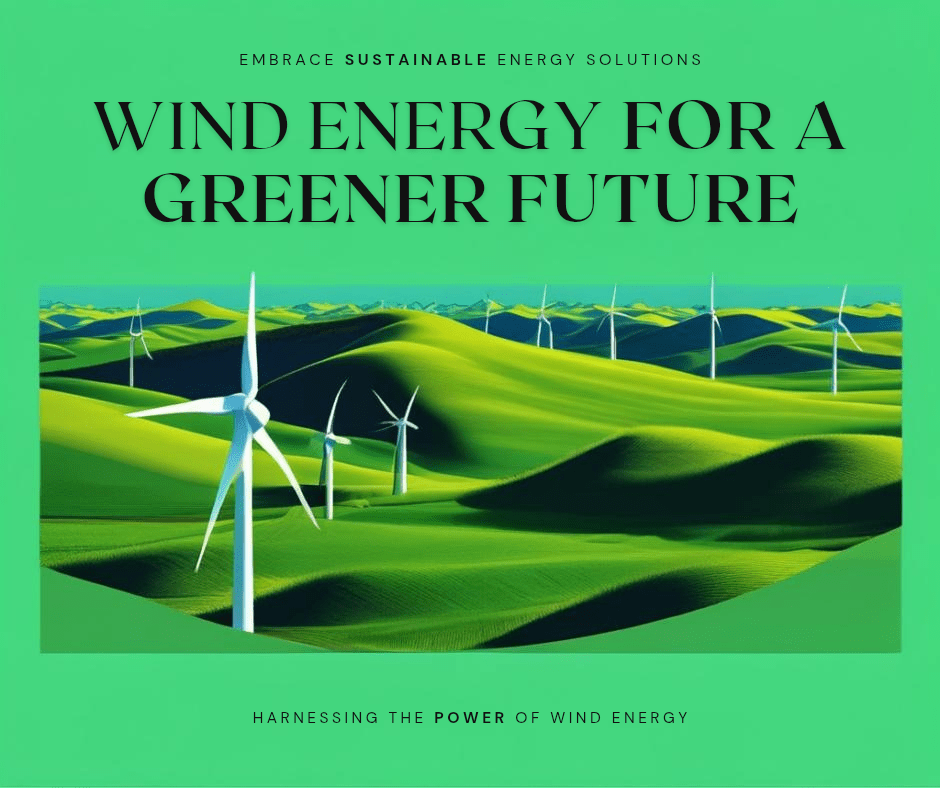
Wind turbines, with their sleek white blades slicing through the sky, symbolize renewable energy innovation. Their propeller-like structures harness the Earth’s natural wind resources, converting kinetic energy into electrical power without the greenhouse gas emissions associated with fossil fuels. However, the expansion of wind power is not without challenges. This blog critically examines the role of wind energy in sustainable development, analyzing its economic, environmental, and social impacts, and the necessity for a resilient policy framework.
The Rise of Wind Energy in the Net-Zero Transition
As industries and governments accelerate their commitments to decarbonization, wind energy has emerged as a cornerstone of sustainability efforts. According to the Global Wind Energy Council (GWEC), wind power installations reached 743 GW globally by the end of 2023, with an annual increase of over 93 GW. This growth is driven by declining costs, technological advancements, and policy incentives supporting renewable energy adoption.
Wind Energy and Its Sustainability Advantages
1. Reduction in Carbon Emissions
Wind turbines do not emit CO₂, making them a critical component in achieving net-zero emissions.
A single onshore wind turbine can generate enough electricity to power 1,500 homes while reducing 4,000 metric tons of CO₂ annually.
2. Efficient Use of Natural Resources
Unlike fossil fuels, wind energy does not deplete Earth’s resources, contributing to a circular economy where materials can be reused and recycled.
With improved turbine designs and recyclable blades, the industry is moving toward more sustainable manufacturing practices.
3. Social and Economic Benefits
Wind energy projects create local employment opportunities, particularly in rural areas where wind farms are located.
Countries investing in wind power, such as Denmark, Germany, and China, have reported a boost in energy security and reduced dependency on imported fuels.
Challenges Hindering Wind Energy Adoption
Despite its benefits, wind power faces economic, technical, and social challenges that must be addressed for a truly sustainable future.
1. Intermittency and Grid Integration
Wind energy is inherently variable—the wind does not always blow at optimal speeds.
Smart grid technologies, energy storage solutions, and hybrid energy systems (e.g., wind-solar) are needed to enhance reliability.
2. Resource-Intensive Manufacturing and Disposal Issues
The production of wind turbines requires rare earth metals and carbon-intensive materials, raising concerns about the environmental impact of turbine lifecycle management.
Addressing end-of-life turbine disposal through recyclable materials is essential for circular economy principles.
3. Land Use Conflicts and Social Resistance
Wind farms often face opposition from local communities, citing concerns about land displacement, noise pollution, and wildlife impact.
Policy frameworks should incorporate community engagement and impact assessments to ensure social sustainability.
The Path Forward: Resilience, Adaptation, and Innovation
To maximize wind energy’s contribution to global sustainability goals, a multi-faceted approach is required:
1. Advanced Technological Innovations
Floating offshore wind turbines can unlock energy potential in deep waters, reducing land conflicts.
Aerodynamic turbine designs inspired by aircraft engineering can improve efficiency and reduce maintenance costs.
2. Stronger Policy Frameworks and Market Incentives
Governments must expand subsidies, tax incentives, and carbon pricing mechanisms to make wind energy more attractive.
International collaboration is key to scaling up investments and infrastructure.
3. Integration of Circular Economy Principles
Companies are developing biodegradable turbine blades, ensuring that components can be repurposed after decommissioning.
Adoption of remanufacturing and recycling technologies will support the sustainable growth of the wind sector.
As the world races toward a net-zero economy, wind energy stands at the forefront of the sustainability revolution. However, for wind power to be a truly resilient and adaptive solution, stakeholders must address intermittency, lifecycle sustainability, and social acceptance. With less than a decade to meet the 2030 Sustainable Development Goals, investments in wind energy, circular economy practices, and policy frameworks will determine whether we succeed in balancing human aspirations with planetary limits.
Governments, businesses, and individuals must collaborate to accelerate the adoption of sustainable energy solutions. The future of the Earth’s resources, economies, and communities depends on how effectively we integrate wind power and other renewables into the energy landscape. The time to act is now.

 "Connecting communities, empowering nations: Unifying the Regional and Global Economy ."
Leave a reply to Sustainability and the Road to Net-Zero: A Future Powered by Wind Energy – Lu's Energy Cancel reply