Introduction
In recent years, the United States has adopted an increasingly inward-looking economic stance, characterized by protectionist trade policies, a stronger U.S. dollar, rising treasury yields, and a shift away from global economic integration. These policy changes have significant implications for emerging capital markets, which have traditionally relied on stable global liquidity conditions, foreign direct investment (FDI), and access to international debt markets.
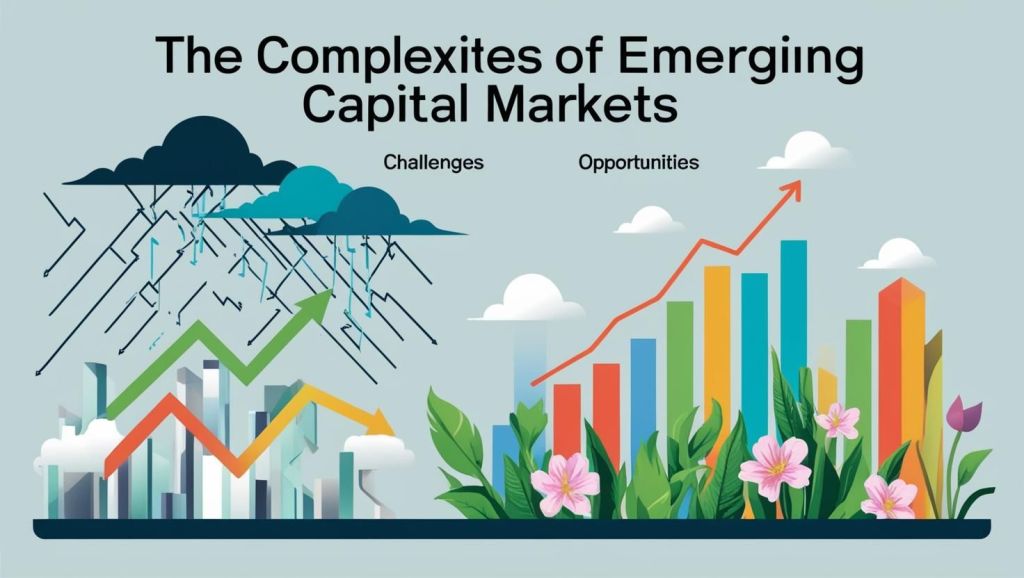
As the U.S. prioritizes domestic economic policies over global cooperation, emerging markets are facing new challenges in attracting capital, stabilizing their currencies, and sustaining economic growth. This blog explores the impact of these shifts on emerging capital markets, examining both the risks and the opportunities that arise in the wake of U.S. economic protectionism.
The Strong U.S. Dollar and Its Consequences for Emerging Markets
One of the most prominent effects of the inward-looking policies of the U.S. has been the appreciation of the U.S. dollar. Several factors have contributed to this:
1. Higher Interest Rates and Treasury Yields – The U.S. Federal Reserve’s aggressive rate hikes to curb inflation have led to an increase in U.S. Treasury yields, making U.S. assets more attractive to global investors.
2. Capital Flight from Emerging Markets – As U.S. bonds offer higher returns, investors have been pulling capital out of emerging markets, causing currency depreciation and higher borrowing costs for these economies.
3. Increased Debt Burden – Many emerging markets hold dollar-denominated debt. As the U.S. dollar strengthens, their debt servicing costs rise, straining government and corporate balance sheets.
For example, in 2023, Argentina, Turkey, and Pakistan witnessed severe currency devaluation, forcing central banks to intervene aggressively. Countries with high external debt have been disproportionately impacted, leading to concerns over sovereign defaults.
Impact of Rising U.S. Treasury Yields on Emerging Markets
A surge in U.S. Treasury yields presents another major challenge for emerging markets. Higher yields lead to:
Lower Foreign Investment – As U.S. assets become more attractive, capital outflows from emerging markets increase, reducing liquidity in their stock and bond markets.
Tighter Monetary Policies – To prevent excessive capital outflows and currency depreciation, emerging market central banks have been forced to raise interest rates, slowing down economic growth.
Pressure on Stock Markets – Investors shift to safer assets like U.S. Treasuries, leading to sharp corrections in emerging market equities.
For instance, India and Indonesia saw foreign portfolio investment (FPI) outflows of over $5 billion in late 2023 due to rising U.S. Treasury yields, putting pressure on local markets.
Opportunities Amidst Challenges
Despite these headwinds, emerging capital markets are not entirely at a disadvantage. There are several factors that could help them navigate this challenging environment:
1. Strengthening Regional Trade and Investment Frameworks
As U.S. economic policies become more insular, emerging markets are exploring regional trade agreements to reduce reliance on U.S. financial markets. For example:
ASEAN economies are deepening trade ties under the Regional Comprehensive Economic Partnership (RCEP).
BRICS nations are discussing trade settlements in local currencies to bypass the dominance of the U.S. dollar.
2. Rise of Alternative Funding Sources
Local Bond Markets – Many emerging markets are developing stronger domestic bond markets to reduce dependence on foreign investors.
3. Shifts in Global Supply Chains
With U.S.-China tensions rising, many multinational companies are “China+1” strategies, leading to increased investments in alternative markets like Vietnam, India, and Mexico. This has helped these countries attract foreign capital despite broader market volatility.
4. Digital and Financial Innovation
The rise of fintech and digital banking has improved capital access in emerging markets.
Many countries are expanding their digital payment infrastructure, which boosts financial inclusion and economic resilience.
Policy Recommendations for Emerging Markets
1. Strengthening Foreign Exchange Reserves
To combat currency volatility, central banks in emerging markets should bolster their foreign exchange reserves. Countries like India and Brazil have actively intervened in forex markets to stabilize their currencies.
2. Reducing External Debt Dependency
Governments should encourage local-currency financing and expand their domestic bond markets to minimize exposure to dollar-denominated debt.
3. Enhancing Economic Resilience
Diversification of exports and trade partners can shield economies from global shocks.
Structural reforms in labor markets, infrastructure, and technology can attract long-term capital investment.
4. Encouraging Inward Investment through Policy Incentives
Emerging markets should offer tax incentives and policy stability to attract foreign investment.
Strengthening legal and regulatory frameworks can improve investor confidence.
While the inward-looking policies of the U.S.—including a stronger dollar and rising Treasury yields—pose serious challenges for emerging capital markets, they also present opportunities for long-term economic resilience. By focusing on regional trade integration, alternative capital sources, and economic diversification, emerging economies can navigate these turbulent times effectively.
The future of emerging capital markets will depend on their ability to adapt to global financial shifts while fostering economic stability and investment-friendly environments. While short-term volatility is likely, the strategic realignment of capital flows could eventually empower emerging markets to become less reliant on the West and more self-sufficient in the global financial system.
 "Connecting communities, empowering nations: Unifying the Regional and Global Economy ."
Leave a comment