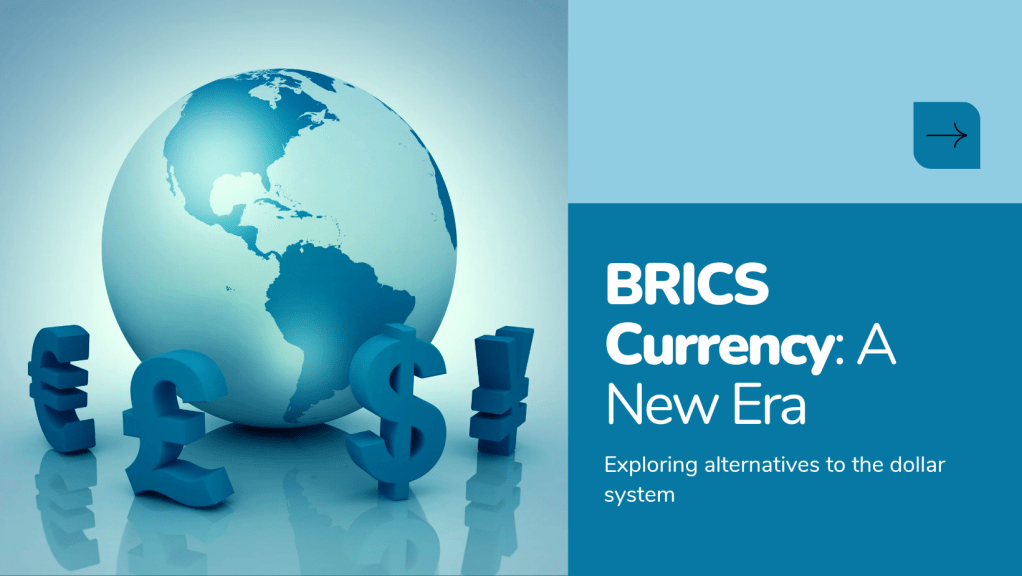
The geopolitical landscape has been shaken by recent statements from Donald Trump, the U.S. President-elect, threatening BRICS nations with 100% tariffs if they pursue plans to develop a currency alternative to the U.S. dollar. In a direct and unequivocal post on Truth Social, Trump demanded a “commitment” from the nations of Brazil, Russia, India, China, and South Africa to refrain from such ambitions, asserting severe economic consequences for non-compliance. This stance reignites debates on the dominance of the U.S. dollar in global trade and the emerging multipolar world order.
Contextualizing Trump’s Threat
Donald Trump’s comments underscore the U.S.’s vested interest in maintaining the dollar’s supremacy in international trade and finance. Historically, the dollar’s status as the world’s reserve currency has afforded the U.S. significant economic and geopolitical leverage. Any challenge to this dominance, particularly from an influential bloc like BRICS, poses a direct threat to American economic interests.
BRICS has previously discussed creating a shared currency to reduce dependence on the dollar. The bloc’s motivations include mitigating the risk of sanctions tied to dollar-based systems, fostering regional trade, and asserting greater autonomy in the global financial system. However, the feasibility of such a currency faces several challenges, including political mistrust among BRICS members, disparities in economic structures, and the logistical complexity of establishing a new reserve currency.
The Economic Weight of BRICS
The BRICS nations collectively represent over 40% of the global population and approximately 25% of global GDP. Their trade and investment networks span across developing and developed markets. A concerted effort by these nations to adopt a new currency could potentially disrupt dollar-centric trade systems, creating ripple effects in global finance.
Trump’s Tariff Threat: A Double-Edged Sword
Imposing 100% tariffs on BRICS nations would undoubtedly have significant consequences. For the U.S., these tariffs could:
1. Increase Consumer Prices: Products imported from BRICS nations, such as electronics, textiles, and pharmaceuticals, would see substantial price hikes, affecting American consumers.
2. Hurt American Exports: Retaliatory tariffs by BRICS nations could diminish U.S. exports, particularly in agriculture, technology, and energy sectors.
3. Weaken Supply Chains: Given the globalized nature of supply chains, heightened tariffs could disrupt production processes reliant on BRICS-manufactured components.
For BRICS nations, the tariffs would strain economies already grappling with post-pandemic recovery and geopolitical tensions. However, some nations within the bloc, particularly China and India, may be resilient due to diversified trade portfolios and strong domestic markets.
Geopolitical Underpinnings
Trump’s statement reflects a broader resistance from the U.S. to any effort challenging its global economic leadership. It aligns with past policies aimed at preserving dollar dominance, including sanctions on nations developing alternative financial systems. However, this strategy risks alienating BRICS nations further, potentially accelerating their collective pursuit of financial independence.
China and Russia, in particular, have actively sought alternatives to the dollar, including bilateral trade in local currencies and exploring blockchain-based solutions. India, while maintaining robust trade ties with the U.S., has also engaged in regional currency arrangements. These dynamics suggest that BRICS may not easily yield to U.S. pressure, especially if Trump’s threats are perceived as undermining their sovereignty.
The Future of Dollar Dominance
The threat of tariffs underscores the fragility of the dollar’s dominance in a rapidly changing global order. While the dollar remains the world’s primary reserve currency, its share of global reserves has been steadily declining, giving rise to alternative mechanisms like China’s digital yuan and regional trade agreements.
However, the development of a BRICS currency remains fraught with challenges. Political alignment among BRICS members is inconsistent, with differing priorities and economic trajectories. Establishing a currency that competes with the dollar would require robust governance frameworks, significant reserves, and a unified fiscal policy—factors that currently seem unattainable.
Donald Trump’s tariff threat against BRICS nations exemplifies the escalating tension in global financial geopolitics. While the feasibility of a BRICS currency remains questionable, the very discussion signals growing dissatisfaction with the dollar-centric system. For the U.S., maintaining the dollar’s dominance will require not just threats but also strategic economic diplomacy and reforms to retain its global appeal.
As the world moves toward a more multipolar financial order, the U.S. and BRICS must navigate this evolving landscape carefully, balancing national interests with global economic stability. Failure to do so could lead to greater fragmentation in international trade, with far-reaching consequences for all stakeholders.
References
1. Indian Express. Trump threatens 100% tariff on BRICS countries over plans to replace US dollar. Retrieved from Indian Express.
2. CNBC-TV18. Donald Trump threatens BRICS countries of 100% tariff if they drop dollar as currency. Retrieved from CNBC-TV18.
3. Hindustan Times. ‘Go find another sucker’: Trump’s message to BRICS members, which includes India. Retrieved from Hindustan Times.
4. Scroll. Trump vows 100% tariffs on BRICS nations if they develop currency to replace US dollar. Retrieved from Scroll.
5. Times of India. ‘Wave goodbye to America’: Trump threatens 100% tariffs on BRICS nations over plans to replace US Dollar. Retrieved from Times of India.
 "Connecting communities, empowering nations: Unifying the Regional and Global Economy ."
Leave a comment