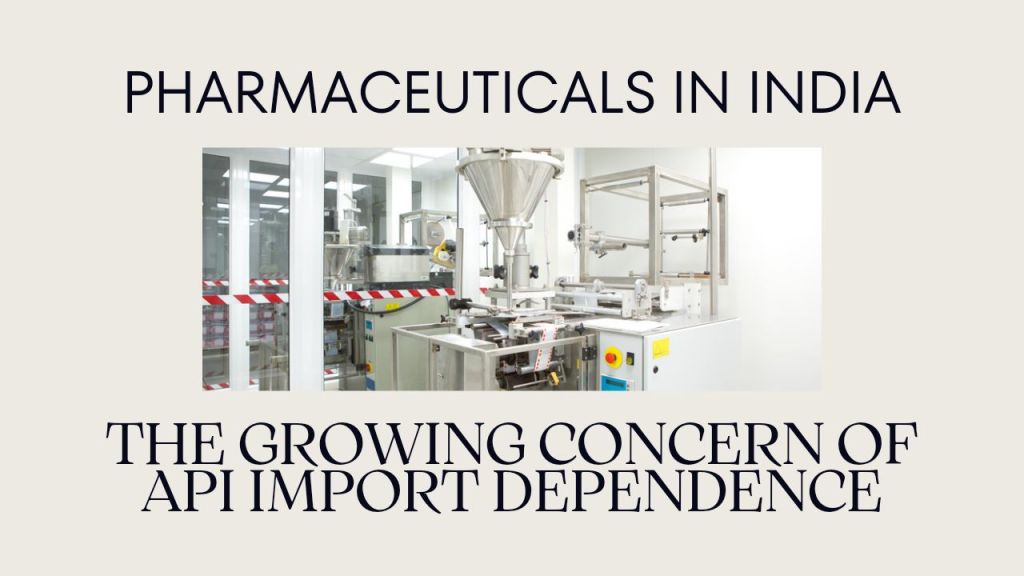
India, known as the “pharmacy of the world,” plays a pivotal role in global pharmaceutical manufacturing. From generic drugs to essential vaccines, the country’s pharmaceutical sector is a crucial part of both the domestic and international healthcare landscapes. However, beneath this success story lies a critical vulnerability: India’s heavy dependence on imports, particularly from China, for Active Pharmaceutical Ingredients (APIs).
What Are APIs and Why Are They Important?
Active Pharmaceutical Ingredients (APIs) are the critical components of any drug that produce the intended therapeutic effect. Without APIs, drug manufacturing would come to a halt. While India has a robust pharmaceutical production capacity, a significant portion of the raw materials needed to produce these APIs are imported, with China being the primary supplier. According to reports, over 70% of India’s API requirements are met through imports from China.
The Risks of Dependence on Imports
This over-reliance on external sources for APIs poses several risks:
1. Supply Chain Disruptions: Any disruption in the global supply chain, whether due to geopolitical tensions, trade restrictions, or unforeseen events such as the COVID-19 pandemic, can critically impact India’s pharmaceutical production. In the case of China, disruptions caused by lockdowns, trade issues, or even natural disasters could halt the supply of APIs, leading to shortages of essential drugs.
2. Price Volatility: Dependency on a single or limited supplier means that Indian manufacturers are vulnerable to price fluctuations. If suppliers decide to increase prices due to demand or other economic factors, it could raise the cost of drug production, making medicines less affordable for consumers.
3. National Security Concerns: The pharmaceutical sector is directly tied to national health security. Relying heavily on another nation for critical drug components places India’s healthcare system at risk in times of crisis or strained international relations.
Steps Towards Self-Reliance
Recognizing the risks, the Indian government has taken steps to address this issue. Initiatives such as the Production Linked Incentive (PLI) scheme aim to boost domestic production of APIs and reduce dependency on imports. These policies encourage investments in API manufacturing, foster innovation, and provide financial incentives to companies that contribute to self-reliance in this crucial sector.
The Road Ahead
While these efforts are a step in the right direction, overcoming the dependency on API imports will require sustained investment, policy support, and industry collaboration. Building a robust domestic API manufacturing base will not only secure India’s position as a global pharmaceutical leader but also protect the nation’s healthcare sector from future disruptions.
India’s pharmaceutical sector stands at a crossroads. The journey toward self-reliance in API production is critical, not only for the stability of the industry but also for ensuring that India remains the world’s “pharmacy” in both good times and bad.
 "Connecting communities, empowering nations: Unifying the Regional and Global Economy ."
Leave a comment