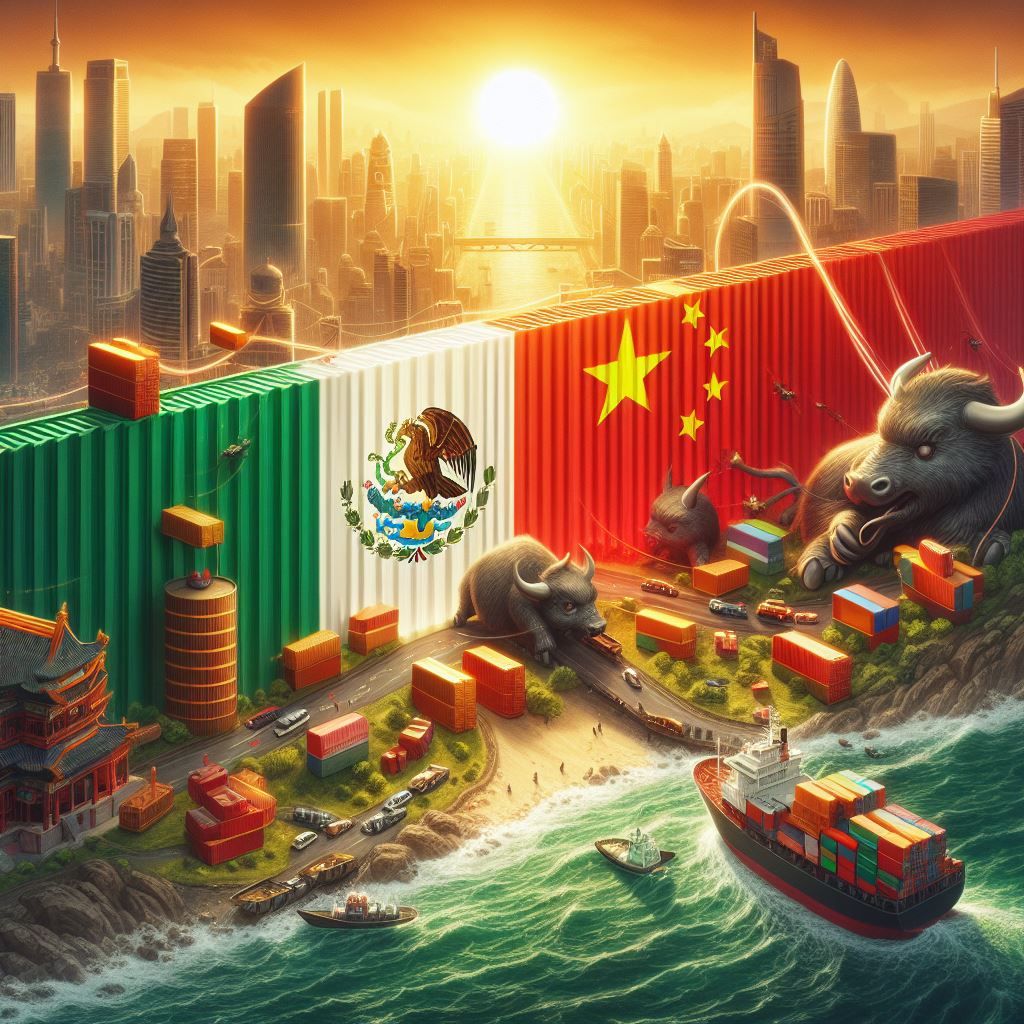
Here are a few key points on the rising tensions between Mexico and China:
1. Shifting Trade Landscape:
– The US-China trade war has led many companies to look to shift manufacturing out of China.
– Mexico’s proximity to the US makes it an attractive alternative manufacturing hub, creating opportunities for Mexico.
– This shift could make China feel less valued as a trade partner for Mexico.
2. Competition for Foreign Investment:
– Both Mexico and China are competing to attract foreign investment and manufacturing.
– As companies look to diversify supply chains away from China, Mexico sees this as a chance to gain more investment.
– This competition for the same pool of investments can create tensions between the two countries.
3. Concerns over Intellectual Property Protection:
– China has faced criticism over lax intellectual property protection, which is a concern for companies looking to invest.
– Mexico may tout its stronger IP protection regime as an advantage over China in attracting foreign manufacturers.
– This dynamic can heighten the competitive dynamic between the two countries.
4. Geopolitical Factors:
– The US-China rivalry and Mexico’s close relationship with the US can also contribute to the tension between Mexico and China.
– Mexico may feel pressured to align more closely with US interests, which could conflict with China’s priorities.
In the realm of global trade, the recent escalation of tensions between Mexico and China has sent ripples of concern through the international economic landscape. The implications of this conflict extend far beyond the borders of these two nations, with potential repercussions that could reverberate across the globe. As supply chains brace for disruption and consumers face the specter of rising prices, the intricate web of interconnected economies faces a critical juncture.
The Genesis of Conflict: Unraveling the Trade Dispute
The roots of this conflict lie in a complex interplay of economic interests, geopolitical strategies, and shifting global dynamics. Mexico and China, two economic powerhouses in their own right, find themselves at odds over trade practices, market access, and strategic influence. The clash of titans threatens to reshape the economic landscape of not just these nations but also the broader international community.
Supply Chain Vulnerabilities: Navigating the Impact
The intertwined supply chains that crisscross the globe are now under strain as the trade tensions escalate. Industries reliant on components and products from both Mexico and China are bracing for potential disruptions that could ripple through their operations. From electronics to automotive, the specter of supply chain vulnerabilities looms large, raising concerns about production delays and cost escalations.
Consumer Consequences: The Price of Conflict
As supply chains falter and production costs rise, consumers in both Mexico and China are likely to bear the brunt of the escalating trade tensions. Higher prices for goods and services could become the new norm, impacting household budgets and economic stability. The ripple effects of this conflict on the everyday lives of people underscore the far-reaching consequences of geopolitical maneuvering in the realm of trade.
The US Economy in the Crosshairs: Implications for a Global Player
The United States, with its intricate economic ties to both Mexico and China, finds itself in a delicate position as the trade tensions escalate. The potential spillover effects on the US economy loom large, with disruptions in supply chains and price fluctuations posing challenges for businesses and consumers alike. Navigating this complex web of interconnected economies will require strategic foresight and nimble decision-making.
Charting a Path Forward: Toward Resolution or Escalation
As the trade tensions between Mexico and China continue to simmer, the global community watches with bated breath, hoping for a resolution that preserves economic stability and fosters cooperation. The path forward remains uncertain, with the specter of further escalation casting a shadow over the prospects for peaceful resolution. Navigating these turbulent waters will require deft diplomacy, economic foresight, and a commitment to finding common ground amidst diverging interests.
The rising tensions between Mexico and China represent a critical juncture in the evolving landscape of global trade. The implications of this conflict extend far beyond the borders of the two nations, with potential reverberations that could reshape the economic dynamics of the international community. As stakeholders grapple with the challenges posed by supply chain vulnerabilities, consumer consequences, and the broader implications for the US economy, the need for strategic foresight and collaborative solutions becomes ever more pressing. Only through concerted efforts to find common ground and foster dialogue can we navigate the stormy seas of escalating trade tensions and chart a path toward a more stable and prosperous future for all.
 "Connecting communities, empowering nations: Unifying the Regional and Global Economy ."
Leave a comment