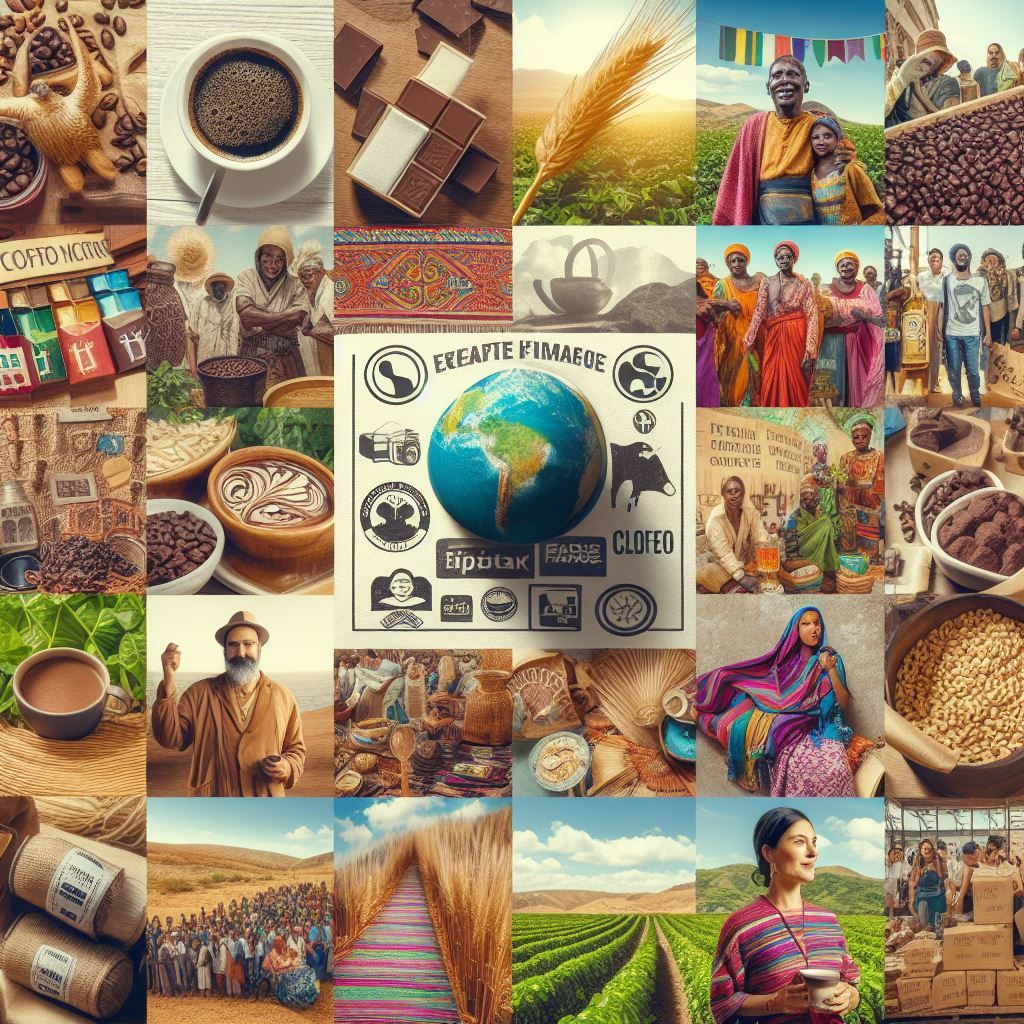
Fair trade has become an increasingly popular movement in recent years as consumers become more conscious of the social and environmental impact of their purchases. The fair trade market has experienced steady growth, reaching an estimated $31.4 billion in 2022, up from $25.8 billion in 2020. This growth is indicative of the rising demand for ethically sourced products and the willingness of consumers to pay a premium for goods that support fair wages, working conditions, and sustainable development.
North America, particularly the United States and Canada, accounts for the largest share of the fair trade market. This can be attributed to the increasing consumer awareness and adoption of ethical purchasing habits. European countries, such as Germany, France, the UK, and the Netherlands, have a long history of fair trade engagement and strong consumer support. Japan shows promising growth potential, especially in categories like coffee and chocolate, while fair trade awareness is also increasing in Australia.
The fair trade movement is not limited to developed countries. Other regions, such as Latin America, Asia, and Africa, are witnessing growing interest in fair trade, albeit on a smaller scale. This presents an opportunity for producers in these regions to tap into the growing fair trade market and connect with ethical consumers worldwide.
Several countries have emerged as major exporters of fair trade products. India, for example, is a leading exporter of handicrafts, textiles, and agricultural goods. Ghana is known for its fair trade cocoa, shea butter, and handicrafts, while Indonesia is a major exporter of coffee, tea, spices, handicrafts, and textiles. Uganda, Ethiopia, Kenya, the Dominican Republic, Ecuador, Peru, and Vietnam are also significant fair trade exporters in various product categories.
Geographical indications (GIs) play a crucial role in fair trade as they protect the names and reputations of products associated with specific geographical locations. By integrating GIs into fair trade policies, several benefits can be realized. GIs ensure that only products originating from the designated region can use the protected name, thus safeguarding quality and preventing imitations. They also promote traditional practices and cultural heritage by preserving production methods and fostering a sense of identity and community pride.
Furthermore, GIs can enhance income for producers by protecting the unique value of GI-tagged products, enabling them to command higher prices and thereby improving their livelihoods and contributing to community development. GIs also incentivize sustainable production practices, as they require adherence to specific production methods that protect the environment and local resources within the designated region.
Fair trade presents a valuable strategy for the craft sector to expand its outreach and connect with ethical consumers worldwide. Craft producers can leverage the growing fair trade market by partnering with established organizations that promote fair trade principles. This can provide them with wider recognition, secure fairer prices for their products, and contribute to sustainable development in their communities.
However, it is important to note that the fair trade movement is not without its critics. Ongoing efforts are being made to address concerns regarding certification standards, transparency, and impact measurement. It is crucial to consider the specific needs and circumstances of each craft sector when exploring fair trade as a market development strategy.
To conclude fair trade offers craft producers a unique opportunity to reach ethical consumers worldwide, secure fair prices, and contribute to sustainable development. By leveraging the growing fair trade market, partnering with established organizations, and exploring the potential of geographical indications, craft producers can expand their outreach, enhance their livelihoods, and make a positive impact in their communities. Further research is recommended to explore specific opportunities and challenges for different craft sectors and regions, taking into account the evolving landscape of fair trade and the needs of both producers and consumers.
 "Connecting communities, empowering nations: Unifying the Regional and Global Economy ."
Leave a comment