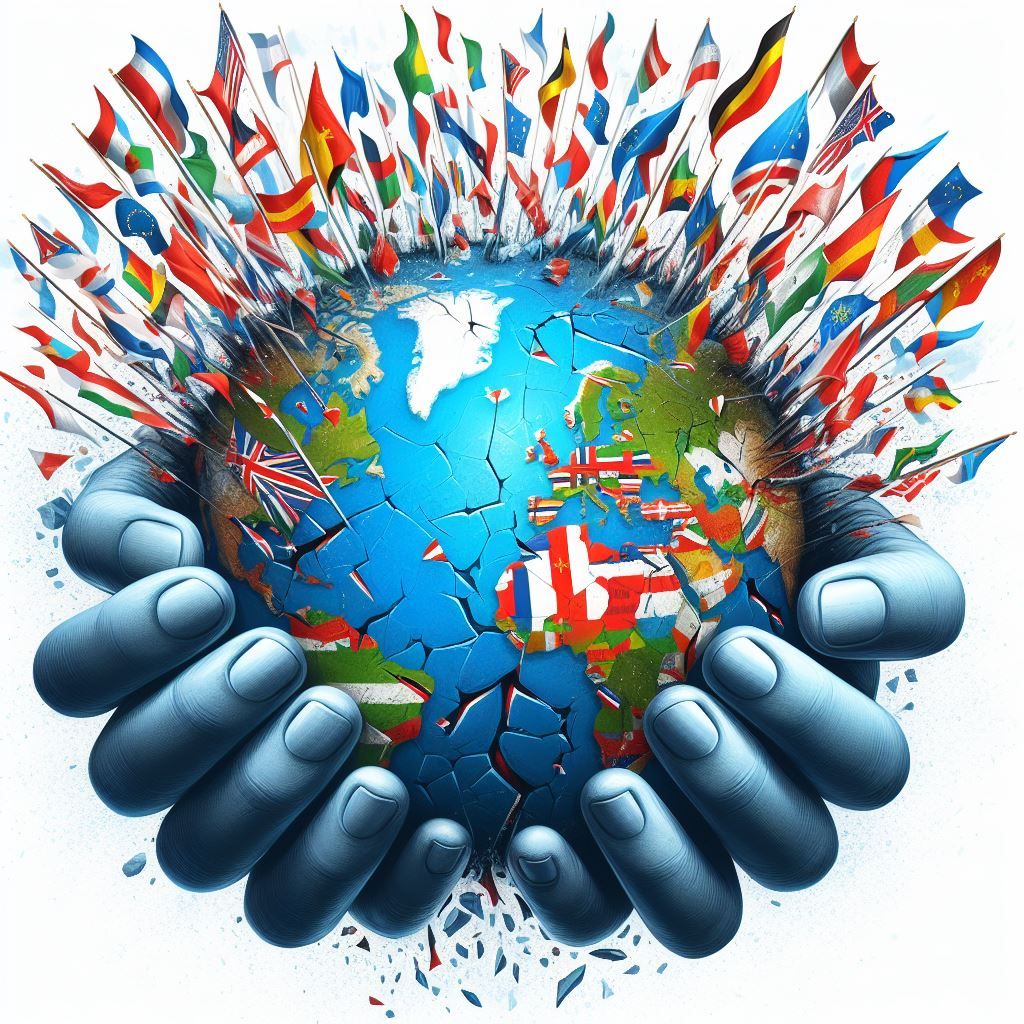
The international economic landscape is constantly evolving. In the past week, three prominent trends have dominated headlines and are shaping the global economy: a global growth slowdown, rising trade tensions, and the possibility of deglobalization.
Firstly, the global growth slowdown has become a major concern for the International Monetary Fund (IMF) and other economic experts. Inflation is one of the key factors contributing to this slowdown. Major economies like the US and Europe are grappling with persistently high inflation rates, which erode purchasing power and deter investment. To combat inflation, central banks are tightening their monetary policies, but this also risks stalling economic activity.
Another factor contributing to the global growth slowdown is the ongoing war in Ukraine. Geopolitical tensions have disrupted energy and food supplies, leading to snarled supply chains and increased uncertainty. Additionally, China’s economic slowdown is a cause for concern. Outbreaks of COVID-19 and a real estate crisis have raised doubts about the health of the world’s second-largest economy, which has been a key driver of global growth.
Secondly, trade tensions between the US and China have escalated and pose a threat to the foundation of globalization. Trade and technology, which were once seen as areas of cooperation, have now become battlegrounds between the two economic giants. The US has imposed a ban on chipmakers selling to China, fueling fears of a semiconductor war that investigating China’s steel imports, accusing them of unfair trade practices. These tensions could lead to retaliatory measures and higher prices for consumers. Intellectual property rights also remain a contentious issue, hindering innovation and collaboration between the two countries.
The third trend that has gained attention is the possibility of deglobalization. This concept suggests a shift away from the highly interconnected world we inhabit, driven by factors such as geopolitical tensions, rising nationalism and protectionism, and technological advancements. The reliance on single-source suppliers for critical materials, as seen in the Ukraine war, has prompted some nations to prioritize self-reliance over efficiency. Economic nationalism is gaining traction in certain countries, leading to policies that favor domestic industries over global integration. Technological advancements, particularly in robotics and additive manufacturing, may also enable some countries to become more self-sufficient in certain sectors, reducing their dependence on international trade.
While deglobalization may not be an immediate reality, the possibility raises concerns about higher costs, inefficiencies, and a fractured global marketplace. Businesses need to assess their supply chains and be prepared for a more volatile and uncertain economic environment. Policymakers must strike a balance between addressing the headwinds mentioned above while still reaping the benefits of globalization. Individuals should stay informed about economic developments across various economies and news sources to make informed decisions about their finances and investments.
The past week has shed light on three significant trends shaping the international economic landscape: a global growth slowdown, rising trade tensions, and the potential for deglobalization. Navigating these challenges will require adaptability, resilience, and a keen understanding of the evolving economic landscape. By staying informed and proactive, businesses, policymakers, and individuals can position themselves to thrive in a turbulent global economy.
 "Connecting communities, empowering nations: Unifying the Regional and Global Economy ."
Leave a comment