The year 2024 holds great promise for the global electric vehicle (EV) market, and India is positioning itself to be a key player in this industry. While India faces both exciting potential and critical challenges, it is important to analyze its position in comparison to established EV players.
There are several positives that highlight India’s rapid growth in the EV market. The country’s EV market is one of the fastest-growing in the world, with sales surpassing 1 million units in 2023, reflecting a 200% increase from 2021. This impressive momentum can be attributed to factors such as government incentives, rising fuel prices, and growing consumer awareness.
India’s strong advantage lies in the two- and three-wheeler EV segment, which is dominated by players like Ather Energy and Ola Electric. Electrifying this segment can significantly reduce urban pollution and improve air quality. By focusing on two- and three-wheelers, India can lead the way in sustainable mobility solutions.
The Indian government has also played a crucial role in promoting EV adoption through its policies. The government has set ambitious targets, aiming for 30% of new car sales to be electric by 2030. Policies such as the Faster Adoption and Manufacturing of (Hybrid &) Electric Vehicles (FAME-II) scheme offer production-linked incentives and subsidies, attracting investments and lowering EV costs. By providing a supportive policy framework, the government is encouraging both domestic and international companies to invest in India’s EV market.
In addition to established players, India is witnessing the emergence of domestic startups like Tata Motors, Mahindra & Mahindra, and MG Motor. These companies are actively developing and launching competitive EV models that cater to diverse price points and consumer needs. This diversity will contribute to a more competitive market and offer consumers a wider range of options.
However, there are significant challenges that India needs to overcome to establish a strong position in the global EV landscape. One of the most pressing challenges is the lack of a robust charging infrastructure. India has a limited number of charging stations, particularly outside major cities, which leads to range anxiety among potential buyers. Addressing this infrastructure gap is essential to encourage wider EV adoption.
Another challenge lies in the high upfront cost of EVs. Despite subsidies, EVs remain more expensive compared to traditional petrol/diesel vehicles. Battery costs, in particular, are a major hurdle that needs to be addressed to improve affordability and achieve mass market penetration. Investing in battery research and development, along with domestic cell manufacturing, is crucial to bring down costs and improve the range of EVs.
Furthermore, India’s EV manufacturing ecosystem is still in its nascent stages compared to countries like China and the US. Building a robust supply chain for critical components like battery cells and motors is essential for long-term competitiveness. India needs to invest in developing a strong manufacturing ecosystem to ensure its EV industry can thrive and meet domestic and international demand.
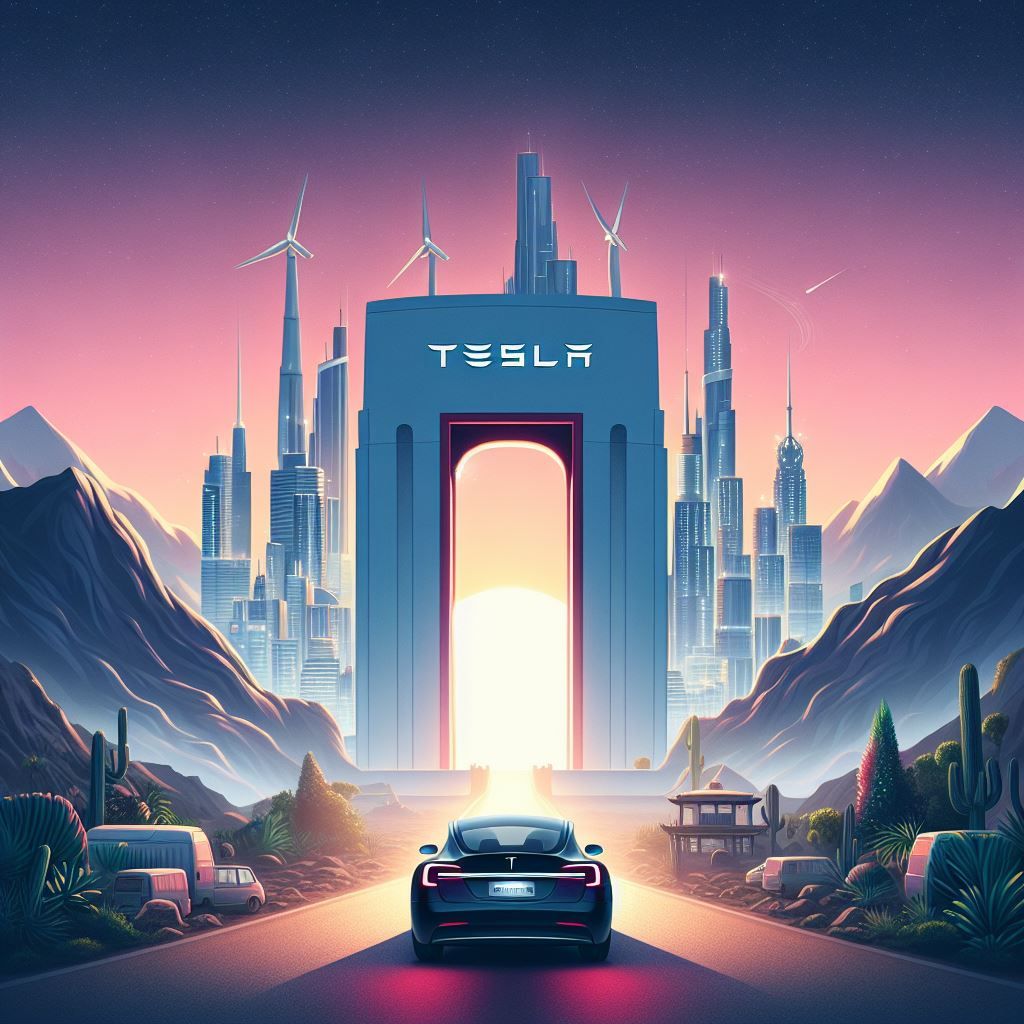
One of the potential disruptors in India’s EV landscape is Tesla. Tesla’s entry into the Indian market could have a significant impact, given its brand recognition and technological prowess. While this poses a threat to domestic players, it also presents an opportunity for Indian companies to learn from Tesla’s expertise and innovate to cater to the specific needs of the Indian market. Collaboration and partnerships with global players can help Indian companies leverage their expertise and accelerate the development of affordable and efficient EVs.
To compete effectively, India needs to sustain government incentives and infrastructure development to attract investments and build consumer confidence. Continued policy support is essential to create an ecosystem that promotes EV adoption. Additionally, investments in skill development are crucial to building a skilled workforce for EV design, manufacturing, and maintenance. India must focus on nurturing talent and expertise to drive the growth of its EV industry.
In conclusion, India has immense potential to establish itself as a major player in the global EV landscape. By leveraging its strengths in the two- and three-wheeler segment, continuing policy support, investing in technological advancements, building a robust manufacturing ecosystem, and fostering collaboration and innovation, India can carve out its own niche in the EV market. While Tesla’s presence may increase competition, it also presents an opportunity for Indian companies to learn and accelerate their EV journey. In the race for EV dominance, India has the potential to emerge as a formidable player with the right strategies and execution.


Leave a Reply