A Success Story That Now Faces Its Biggest Test
Few countries have changed their economic destiny as dramatically as Bangladesh. A nation once associated with poverty, natural disasters and limited industrial capacity gradually stitched together one of the world’s largest garment industries. Millions of sewing machines became symbols of economic hope. Factories generated employment, exports surged and the country emerged as one of the most important suppliers of affordable clothing to global fashion brands. What appeared to be a simple manufacturing success was actually a social and economic transformation that lifted millions of families into better living conditions.
When One Industry Carries an Entire Economy
The remarkable rise of Bangladesh has also created a hidden structural weakness. The garment industry dominates exports to such an extent that the country’s economic health has become closely tied to the global fashion business. Whenever consumers in Europe or North America reduce spending, factories in Bangladesh immediately feel the impact. Global inflation, recession, trade disputes or supply chain disruptions thousands of kilometres away quickly become local employment challenges. An economy that depends heavily on one industry may grow rapidly, but it also becomes vulnerable to shocks that it cannot control.
Women Became the Real Architects of Growth
One of the most powerful changes behind Bangladesh’s economic journey has been the participation of women in the workforce. Garment factories opened employment opportunities that transformed family incomes, improved education for children and increased financial independence for millions of women. The industry quietly reshaped society by giving many women a stronger voice in household decisions and the broader economy. This social transformation may prove to be one of Bangladesh’s greatest long-term achievements, extending well beyond economic statistics.
Industrial Progress Cannot Stop at Low-Cost Manufacturing
Bangladesh has steadily improved its industrial capabilities through better factories, stronger infrastructure and higher production capacity. Many manufacturers now produce for globally recognised brands while improving quality standards and delivery performance. Yet industrial progress is no longer measured only by production volume. The next phase will depend on technology adoption, product innovation, branding, design capabilities and movement into higher value manufacturing. Countries that continue to compete only on low labour costs often discover that the advantage disappears much faster than expected.
Automation Is Quietly Changing the Rules
The global apparel industry is entering a new era where robotics, artificial intelligence and automated production systems are becoming increasingly affordable. For decades, inexpensive labour gave Bangladesh a strong competitive edge. That advantage may gradually weaken as technology reduces the importance of labour costs in manufacturing decisions. The competition of the future may no longer be between workers in different countries. It may increasingly become a competition between workers and intelligent machines. This shift demands continuous investment in skills, technology and industrial upgrading.
Global Buyers Now Demand More Than Cheap Production
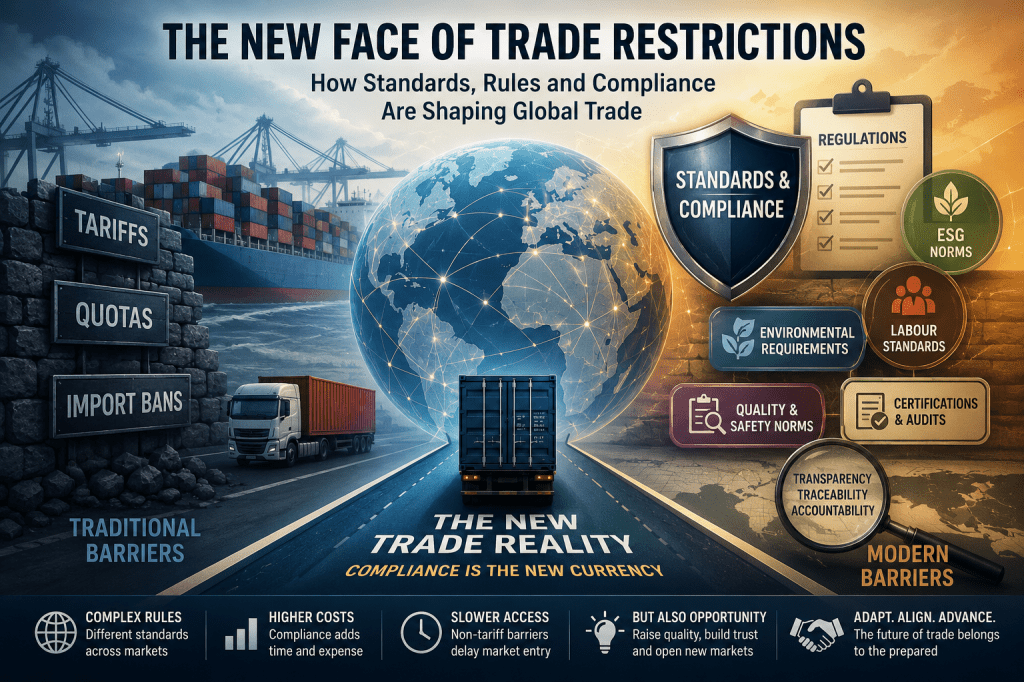
International fashion brands are placing greater emphasis on sustainability, worker welfare, environmental responsibility and transparent supply chains. Compliance is no longer an optional business practice but a market requirement. Factories that fail to meet evolving global standards risk losing valuable export orders regardless of how competitive their prices remain. Meeting these expectations requires investment in cleaner technologies, safer workplaces and stronger governance. The future belongs to manufacturers who combine efficiency with responsibility.
The Next Economic Chapter Must Be Written Before the Current One Ends
Bangladesh now stands at an important crossroads. The garment industry will remain a pillar of the economy, but long-term resilience requires broader industrial diversification. Electronics, pharmaceuticals, information technology, agro-processing, engineering products and knowledge-based services offer opportunities to reduce dependence on a single export sector. Economic history repeatedly shows that countries relying too heavily on one product eventually face slower growth when global markets change.
Bangladesh has already demonstrated extraordinary resilience by transforming itself through manufacturing. The next transformation will be more complex because it requires moving from production to innovation, from low-cost competitiveness to high-value creation and from dependence to diversification. The country has already mastered the art of making garments. The greater challenge now is designing an economy that remains strong even when the global fashion cycle changes. The future will reward not the country that produces the cheapest clothes, but the one that builds the smartest economy.
Bangladesh #ApparelIndustry #GlobalTrade #Manufacturing #EconomicDiversification #WomenWorkforce #IndustrialTransformation #Automation #SupplyChains #FutureEconomy


Leave a comment