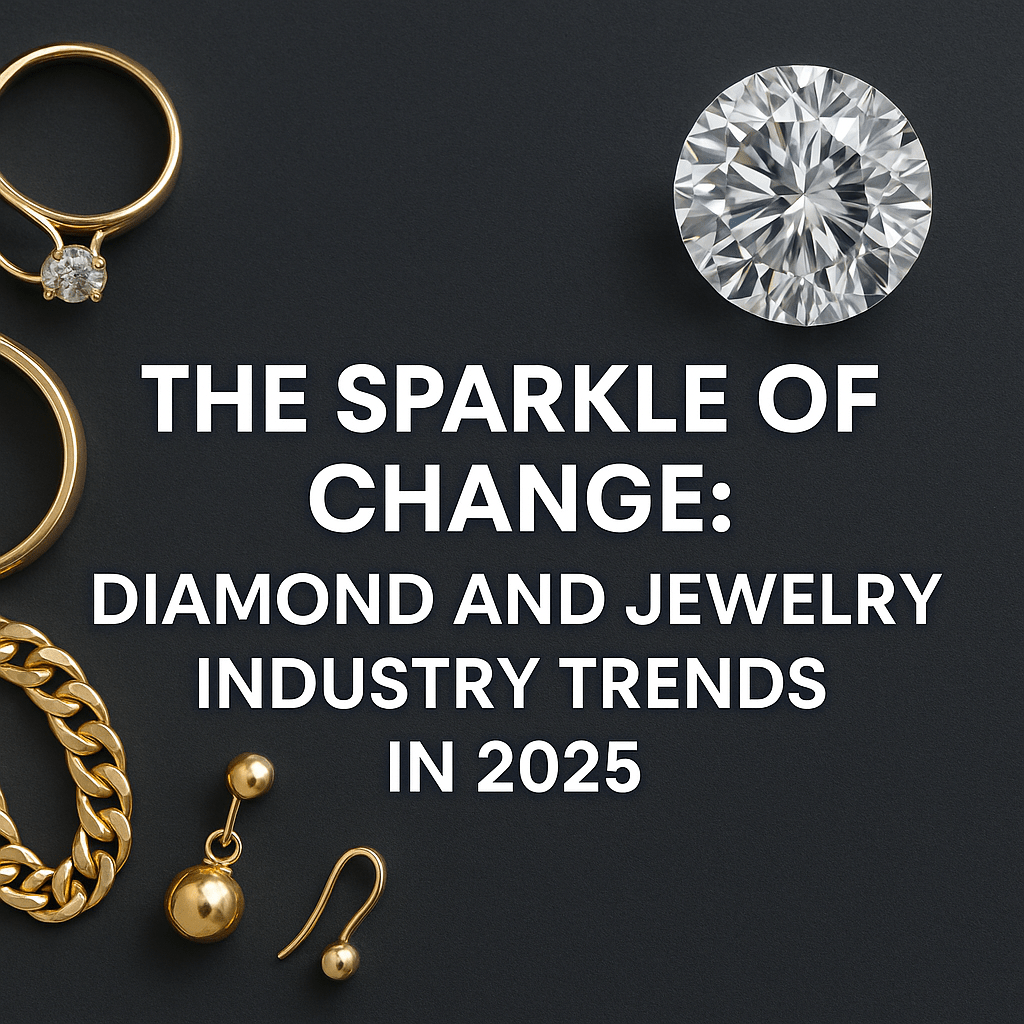
The diamond and jewelry industry in 2025 is undergoing a transformation shaped by shifting consumer expectations, technological innovation, and a growing emphasis on ethical and sustainable practices. With the global diamond jewelry market valued at $389.5 billion and projected to reach over $600 billion by 2035, the sector is poised for steady expansion at a compound annual growth rate (CAGR) of 4.8%. Meanwhile, the broader jewelry market is expected to grow from $242.8 billion in 2025 to $343.9 billion by 2032, reflecting a CAGR of 5.1%. These figures underline both the resilience and adaptability of the industry in an evolving global economic environment.
A Tale of Two Markets: Luxury and Mass Appeal
While the diamond segment leads in value, it’s the luxury diamond jewelry category—currently valued at $20.9 billion—that is showing the fastest growth, expected to reach $34.1 billion by 2032 with a robust CAGR of 7.3%. This growth highlights a sustained demand for high-end products, often linked to brand prestige, emotional value, and heritage craftsmanship. At the same time, the mass market is being revolutionized by affordability and personalization, particularly among younger demographics who are redefining what jewelry means to them.
Sustainability is Not Optional Anymore
One of the most defining trends in 2025 is the rise of sustainability and ethical sourcing. Conscious consumerism is driving demand for lab-grown diamonds, which offer both an ethical alternative to mined diamonds and a more affordable price point. These diamonds are chemically identical to natural ones, but they come with a significantly lower environmental impact and are free from concerns over conflict sourcing. This shift has not only reshaped how diamonds are produced but is also influencing branding, advertising, and purchasing behavior.
Tech-Savvy Sparkle: Digital Transformation
The digital revolution continues to influence jewelry retail. From AI-powered personalized recommendations to AR-enabled virtual try-ons, consumers are now engaging with brands in immersive, digitally enriched environments. Online platforms are expanding rapidly, with e-commerce now accounting for nearly one-third of U.S. diamond jewelry sales, especially popular among Gen Z and millennial buyers who prioritize convenience and experience.
Still, brick-and-mortar stores remain dominant for high-value purchases, largely due to the need for physical verification, trust, and experiential luxury. Many brands are embracing an omnichannel approach, blending the trust of in-store interaction with the accessibility of digital tools.
Designs That Resonate
There is a notable trend toward customization and minimalist aesthetics, particularly in product categories like rings, which dominate the market due to their role in engagement and wedding traditions. Other segments—necklaces, earrings, bracelets, and pendants—are experiencing demand surges driven by fashion-forward consumers seeking versatility and personal expression.
Custom-designed pieces that reflect the wearer’s identity, story, or values are especially popular, often facilitated by interactive digital design tools that allow customers to co-create their jewelry.
Regional Dynamics: The East Shines Bright
Geographically, India and China are leading growth markets, driven by rising disposable incomes, evolving tastes, and deep-rooted cultural preferences for jewelry. In both countries, weddings, festivals, and investments are key drivers of diamond and gold jewelry demand. At the same time, established markets like the USA, UK, and Germany continue to witness stable growth, largely due to luxury consumption and strong branding by premium players.
Competitive Landscape: Innovation vs. Heritage
The industry’s competitive fabric is woven with both legacy brands and digital disruptors. Giants like De Beers, Tiffany & Co., Cartier, Signet Jewelers, and Chow Tai Fook continue to dominate the traditional market, while online-first innovators like Blue Nile and James Allen are redefining access and affordability. Many of these players are now pivoting towards sustainable collections, tech-enabled customer journeys, and data-driven merchandising to stay relevant.
A Brilliant Future, Responsibly Crafted
The diamond and jewelry industry in 2025 is navigating a strategic crossroads—balancing timeless elegance with modern ethics, and heritage craftsmanship with digital agility. Sustainability, personalization, and digital transformation are not passing trends but permanent features of this sparkling sector’s evolution.
As consumer preferences evolve and technologies advance, the future of this industry will belong to those who combine innovation with integrity, and luxury with responsibility.
#DiamondJewelry #LabGrownDiamonds #EthicalSourcing #LuxuryJewelry #DigitalTransformation #JewelryEcommerce #Customization #MinimalistDesign #SustainableFashion #IndiaJewelryMarket
 "Connecting communities, empowering nations: Unifying the Regional and Global Economy ."
Leave a comment