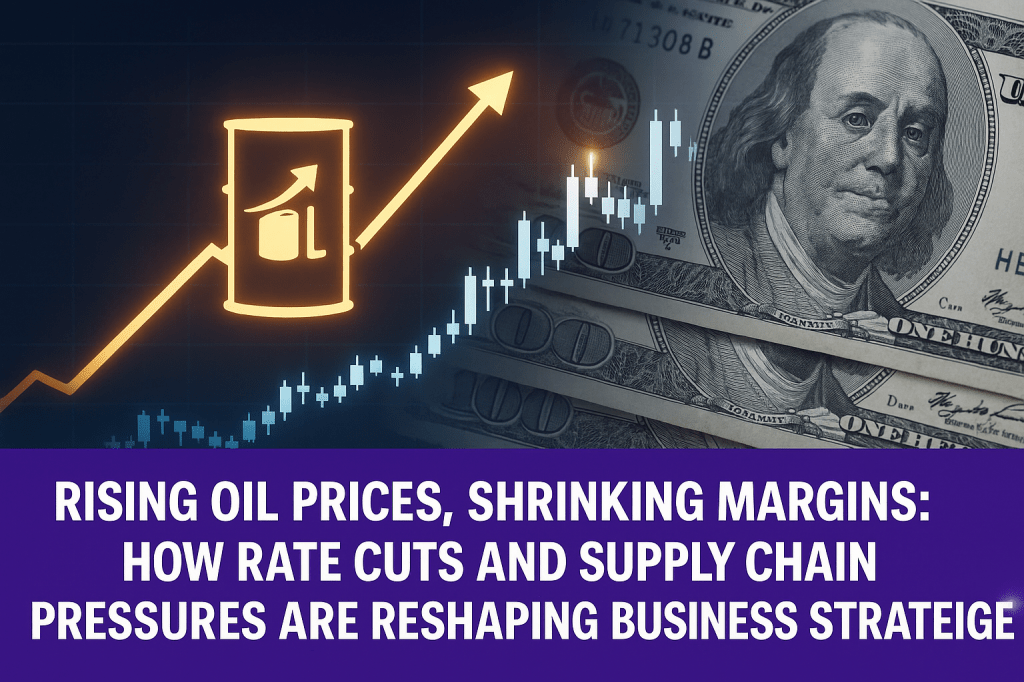
In today’s interconnected global economy, the ripple effects of monetary policy and commodity price movements are becoming increasingly evident across industries. A particularly illustrative case is unfolding as the Federal Reserve’s interest rate cuts stimulate demand, placing additional upward pressure on oil prices. As energy prices climb, the ramifications are being felt across the entire supply chain, notably impacting the cost of synthetic materials like nylon.
Nylon, a petroleum-based product, is especially sensitive to fluctuations in oil prices. When oil becomes more expensive, the production costs for nylon rise accordingly. The situation is compounded by two critical dynamics: heightened energy demand and a weakening U.S. dollar following rate cuts. A weaker dollar typically makes commodities priced in dollars—like oil—more expensive globally, thus reinforcing the upward trend in oil prices.
This sustained pressure on input costs has significant implications for businesses, particularly small and medium-sized retailers, brands, and wholesalers in the United States. Unlike large corporations that can often absorb or mitigate cost hikes through diversified supply chains or economies of scale, smaller companies find themselves directly vulnerable. When material costs surge, their procurement expenses escalate sharply, but competitive market conditions prevent them from fully transferring these costs to consumers.
Markets characterized by intense price competition—such as retail clothing, textiles, and consumer goods—offer little flexibility to raise end-user prices without risking a loss of market share. As a result, the natural buffer against cost pressures, profit margins, begins to shrink rapidly. These thinner margins reduce not only profitability but also companies’ capacity to reinvest in innovation, marketing, and expansion efforts.
The current environment underscores a critical lesson: macroeconomic shifts like monetary easing and commodity price volatility don’t exist in isolation. Their effects cascade across industries, impacting players differently depending on their size, resilience, and market positioning. For smaller businesses, strategic cost management, supply chain diversification, and perhaps even collaborative procurement efforts may become essential survival tactics in navigating the pressures ahead.
As the global economy continues to evolve, understanding and preparing for these interconnected trends will be crucial—not only for preserving profitability but also for fostering sustainable business growth in increasingly volatile times.
 "Connecting communities, empowering nations: Unifying the Regional and Global Economy ."
Leave a comment