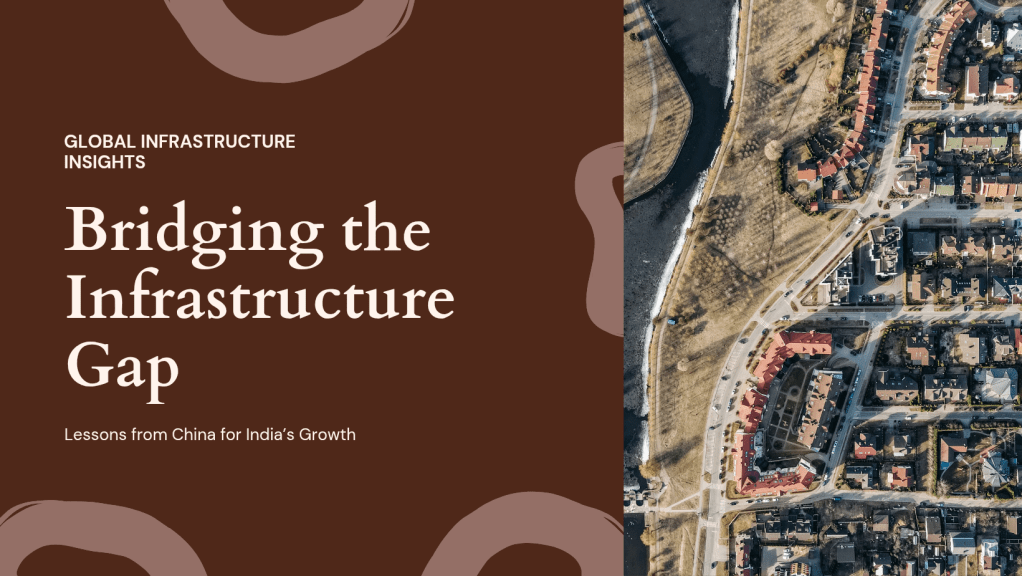
The Foundation of Growth: Infrastructure’s Role in Economic Development
Infrastructure is the backbone of any nation’s growth, shaping economic prospects, social equity, and overall quality of life. India must take cues from China, which has rapidly developed world-class infrastructure over the past few decades, fueling its economic expansion. To ensure sustainable and inclusive growth, universal access to transportation, digital connectivity, and energy should be a national priority. However, a crucial yet often overlooked aspect of infrastructure development is its gendered impact. Women face unique challenges in accessing and benefiting from infrastructure, limiting their ability to fully participate in the economy.
China’s Infrastructure Success: What India Can Learn
China’s infrastructure development has been unparalleled, with over 40,000 kilometers of high-speed rail, massive urban transport networks, and extensive rural electrification. These initiatives have not only boosted GDP growth but also improved the standard of living. India, despite being the world’s fifth-largest economy, lags in infrastructure quality and accessibility, which impacts productivity and social mobility.
India must:
1. Prioritize Public Transport Expansion – China’s extensive metro and bus networks make urban travel seamless. India must expand and modernize its public transport, ensuring last-mile connectivity and integrating smart technology for safety and convenience.
2. Strengthen Digital Infrastructure – China’s widespread 5G rollout and smart city initiatives have enhanced economic opportunities. India must bridge its digital divide, especially for women, who are 15% less likely than men in low- and middle-income countries to use mobile internet.
3. Universal Energy Access – China’s investment in renewable energy and rural electrification has empowered millions. India must ensure stable electricity in rural areas, reducing the burden on women who spend excessive time on household tasks due to unreliable power.
Gender and Infrastructure: The Invisible Barrier
Infrastructure is often designed without considering gender-specific needs, creating significant disparities. For example:
Public Transport Bias: Women rely more on public transport for short, multi-stop trips, often dictated by work, childcare, and household responsibilities. Poor route planning and safety concerns force them to take longer, inefficient routes or abandon travel altogether.
Digital Exclusion: Women’s lower mobile internet access locks them out of education, remote jobs, and financial services, reinforcing economic inequality.
Energy and Household Burdens: In areas with unreliable electricity, women spend more hours collecting water and fuel, limiting their time for work or education.
A gender-responsive infrastructure policy can transform societal outcomes. Investing in women-friendly transport, expanding digital access, and ensuring stable energy supplies would not only empower women but also boost India’s economic productivity.
Critical Policy Interventions
To ensure inclusive infrastructure, India should focus on:
1. Gender-Inclusive Transport Policies – Implement safe, well-lit transit hubs, dedicated spaces for women in public transport, and real-time tracking apps to improve security.
2. Closing the Digital Gender Gap – Expand affordable internet access and introduce digital literacy programs targeted at women.
3. Reliable and Clean Energy Access – Accelerate rural electrification, promote clean cooking fuel, and integrate solar microgrids to reduce household burdens on women.
Final Thoughts
India’s infrastructure growth must align with both economic expansion and social equity. Learning from China’s investment in transport, digital, and energy infrastructure is essential. However, gender-blind policies will only reinforce disparities. Addressing the unique challenges women face in accessing infrastructure is not just about fairness—it’s about economic efficiency and national progress. A gender-inclusive infrastructure strategy will pave the way for a more resilient, dynamic, and equitable India.
 "Connecting communities, empowering nations: Unifying the Regional and Global Economy ."
Leave a comment