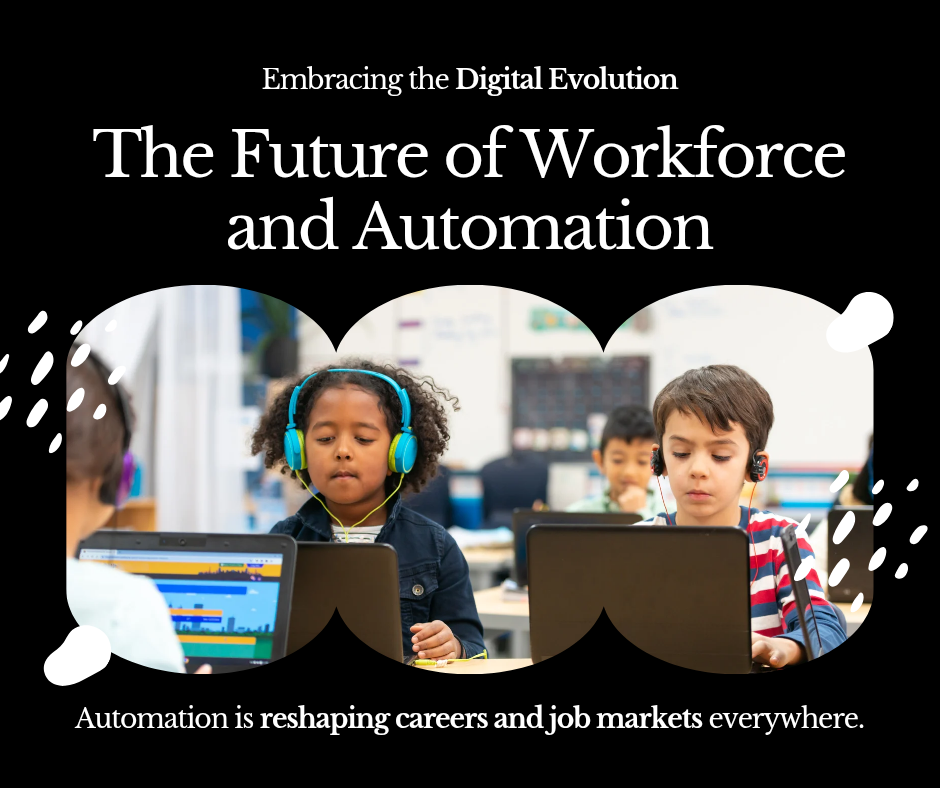
In today’s rapidly evolving industrial landscape, efficiency and productivity have become the defining factors of success. As industries scale up and technological advancements disrupt traditional processes, businesses must adapt to remain competitive. The crux of this transformation lies in two key areas—workforce optimization and automation. This blog critically examines the pressing challenges and the opportunities for industries to enhance their productivity through digitalization, workforce training, and automation.
The Imperative of Measuring Efficiency
The philosophy that what you measure gets done has been a guiding principle in modern industrial management. Organizations that focus on tracking key performance indicators (KPIs) are more likely to achieve operational excellence. Digitalization plays a critical role here, offering real-time information that enhances decision-making.
Data Accuracy and Reliability: Industries must ensure that the information collected is of high quality, allowing management to trust the data and act on it with confidence.
Standardized Measurement Systems: Efficiency metrics should be clearly defined to maintain consistency across operations.
Feedback Mechanisms: Real-time insights enable quick corrective measures, ensuring that even minor inefficiencies do not snowball into major bottlenecks.
Without rigorous tracking mechanisms, inefficiencies often go unnoticed, affecting overall productivity and profitability.
Addressing Labor Availability and the Migrant Workforce Challenge
One of the biggest hurdles industries face today is the shortage of skilled labor. In many regions, particularly in developed industrial economies, population growth rates are declining, leading to a shrinking workforce. For example, several Indian states now report fertility rates below replacement levels (2.0 births per woman), meaning fewer young workers are entering the labor market.
This leads to an increased dependence on migrant labor, which comes with its own set of challenges:
High Attrition Rates: Migrant workers often move between jobs, reducing workforce stability.
Skill Mismatch: Many lack the necessary technical expertise, necessitating structured training programs.
Policy and Welfare Constraints: Governments and regulatory bodies must find ways to balance worker protection with business productivity needs.
To overcome this, industries must focus on structured training programs that equip workers with technical skills and adaptability to automation. Half the battle is won when businesses go beyond mere “lip service” to training and implement robust systems to ensure workers are adequately prepared before they enter production lines.
Automation and Workforce Evolution
Another key factor shaping the future of industry is automation. As industries strive to enhance efficiency, multi-machine handling is emerging as a critical area of focus. Traditionally, one machine was assigned to one operator, but this approach is now being challenged.
Why Should Two People Manage One Machine?
The shift toward lean operations and cost-cutting strategies means businesses must rethink the deployment of human capital. If an operator can be trained to handle two or more machines, businesses can significantly reduce labor costs while increasing productivity.
Upskilling for Automation Management
With the adoption of Industry 4.0 technologies, workers must be re-skilled to handle automation tools, predictive maintenance, and AI-driven operational monitoring. This allows industries to maximize efficiency without compromising quality.
A critical challenge, however, is resistance to change—both from management and workers. Many industries hesitate to push the boundaries of automation due to concerns over workforce displacement. However, a balanced approach—where automation enhances human capabilities rather than replaces them—can yield significant productivity gains.
The Road Ahead: Industry Priorities
For industries to thrive in an era of rapid technological advancement and demographic shifts, they must focus on the following key areas:
1. Data-Driven Decision Making
Real-time analytics must be integrated into daily operations to drive efficiency.
A strong emphasis on quality metrics ensures long-term productivity gains.
2. Skill Development and Workforce Management
Businesses must shift from reactive training to proactive workforce planning.
Training programs should be more rigorous to ensure workers are production-ready rather than just minimally qualified.
3. Scalable Automation
Workers should be trained to handle multiple machines, improving efficiency.
Advanced automation tools should be deployed strategically to complement human labor, not replace it outright.
Final Thoughts
As industries move forward, the nuts and bolts of operational efficiency lie in measurement, training, and automation. While the availability of labor remains a challenge, the key to overcoming it lies in enhancing productivity per worker rather than merely increasing the workforce size.
To succeed, businesses must:
Embrace real-time digitalization.
Train workers effectively before putting them on production lines.
Push for automation efficiency without compromising human capital.
The future of industrial productivity will belong to those who continuously challenge traditional methods and push for higher efficiency through smart workforce management and automation.
 "Connecting communities, empowering nations: Unifying the Regional and Global Economy ."
Leave a comment