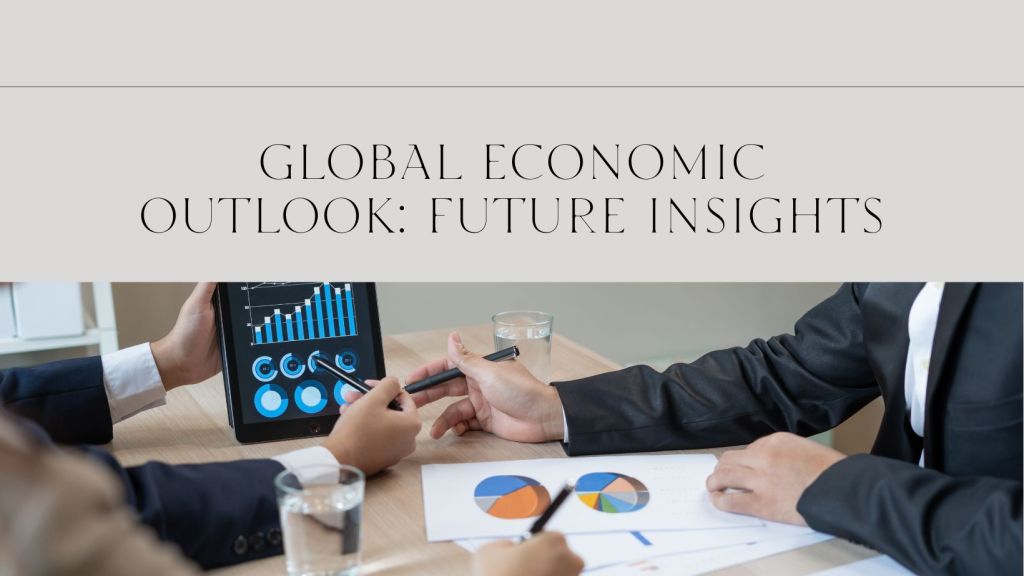
The recent discussions at the World Economic Forum in Davos have highlighted an interesting divergence in global economic sentiment. While optimism surrounds the United States due to pro-growth policies, Europe is engulfed in a wave of pessimism. As global policymakers and financial leaders, including Kristalina Georgieva (IMF), Christine Lagarde, and Larry Fink (BlackRock), deliberate on the macroeconomic landscape, several key themes emerge—growth, risks, and capital markets.
The U.S. Economy: Is the Optimism Justified?
The U.S. economy continues to demonstrate resilience, driven by strong capital markets, robust entrepreneurship, and policy reforms aimed at deregulation. The optimism around the economy is largely fueled by the expectation that pro-business policies will stimulate private sector growth, particularly through:
Deregulation: Reducing bureaucratic hurdles allows businesses to raise capital efficiently.
Tax Incentives: Lowering corporate taxes encourages investment and expansion.
Infrastructure Investment: Increased spending on infrastructure fuels job creation and long-term economic productivity.
However, the question arises—are investors underestimating the risks? The U.S. economy is not immune to challenges such as rising interest rates, potential trade conflicts, and fiscal deficits. If optimism blinds investors to these vulnerabilities, market corrections could be abrupt and severe. While growth is evident, a cautious approach remains essential.
Europe: A Cycle of Pessimism?
A striking observation from Davos is the deep pessimism surrounding Europe. The continent has been struggling with sluggish growth, banking fragility, and the lack of a unified capital markets structure. Some key issues include:
Banking and Capital Markets Union: Unlike the U.S., Europe lacks a truly integrated financial system, making capital allocation less efficient.
Demographic Challenges: An aging population limits workforce expansion and economic dynamism.
Geopolitical Uncertainty: Brexit, political fragmentation, and energy security concerns contribute to investor apprehension.
Despite these challenges, Europe remains a critical part of the global economy. The current pessimism may be overblown, and opportunities exist in sectors such as green energy, technology, and manufacturing. Strategic investments could yield long-term gains if structural reforms, particularly in banking and capital markets, are pursued.
Emerging Markets and the Global Economy
Beyond the U.S. and Europe, global growth is increasingly driven by emerging markets, particularly in Asia and the Middle East. The rise of economies like Saudi Arabia, India, and Southeast Asia presents new investment opportunities. Factors contributing to their growth include:
Economic Diversification: Countries like Saudi Arabia are reducing dependence on oil by investing in technology and tourism.
Demographic Advantages: Young populations and expanding middle classes drive consumption.
Infrastructure and Digitalization: Governments are investing heavily in smart cities, digital connectivity, and industrial expansion.
However, emerging markets are also vulnerable to external shocks, such as fluctuations in global interest rates and commodity prices. Balancing investment with risk assessment is key.
The Future of Global Investment and Capital Markets
One of the most critical elements of the discussion is the role of capital markets. The U.S. remains a leader due to its deep and liquid financial markets, but the rest of the world must enhance capital allocation mechanisms to spur growth. Policymakers need to focus on:
Capital Mobility: Strengthening cross-border investment flows.
Financial Inclusion: Ensuring small and medium enterprises (SMEs) can access funding.
Innovation and Entrepreneurship: Creating policies that encourage startup ecosystems.
A Balanced Perspective on Global Growth
While optimism in the U.S. economy is justified, it must be accompanied by risk management. Europe, despite its challenges, presents opportunities for strategic investments if structural reforms are implemented. Emerging markets continue to rise but require careful navigation of geopolitical and financial risks.
The global economy remains dynamic, and the ability to adapt will define economic success in the coming years. Policymakers and investors must take a balanced approach—leveraging growth while preparing for potential downturns.
 "Connecting communities, empowering nations: Unifying the Regional and Global Economy ."
Leave a comment