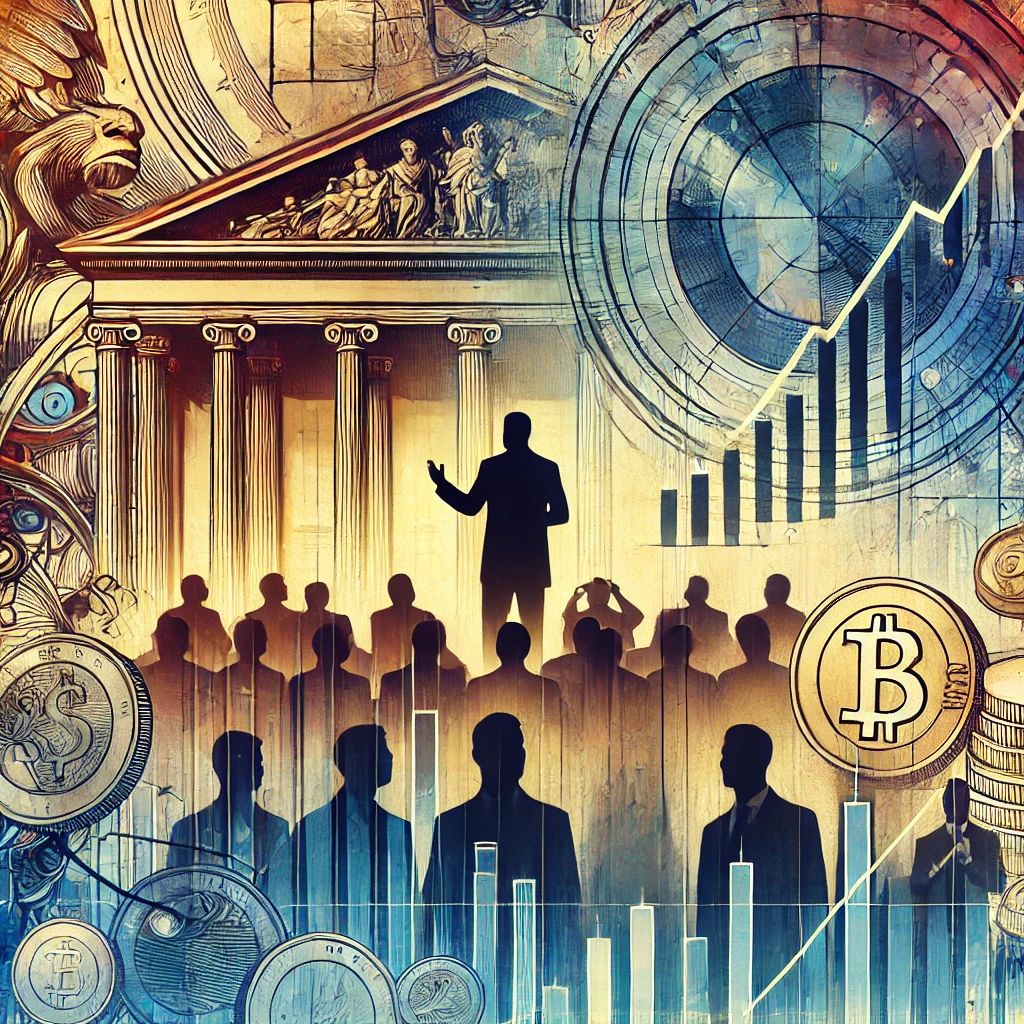
In recent years, a striking trend has emerged across the developed world, encompassing regions like the United States, Europe, and Japan. The political landscape appears to be undergoing a seismic shift, characterized by the precarious position of incumbents in elections. Historical data and political cycles reveal that if you are an incumbent leader or party, the odds of retaining power have dwindled significantly. This trend begs the question: What is driving this pattern, and how does it intersect with economic decision-making and investor sentiment?
The Incumbent Disadvantage
The growing challenges faced by incumbent politicians stem from a variety of factors. Economic dissatisfaction, societal polarization, and the perceived failure to address critical issues such as inflation, unemployment, and social inequality contribute to voter discontent. In the U.S., for instance, the 2020s have seen increasingly contentious electoral cycles, often influenced by economic volatility and cultural divides. Similar patterns are visible in Europe, where leaders face mounting pressure from populist movements and demands for more inclusive economic policies.
In Japan, despite its relatively stable political framework, the electorate has shown less tolerance for stagnant economic policies amidst challenges like an aging population and sluggish growth. Voters in these regions seem more inclined to demand change, believing that fresh leadership can address their concerns more effectively.
The Clash Between Politicians and Investors
This shifting political dynamic has also created a rift between policymakers and investors. Investors are increasingly wary of governments’ fiscal strategies, particularly overspending, which has led to rising global interest rates. The concern is not unfounded: unchecked government borrowing to fund expansive social and economic programs can strain public finances, reduce investor confidence, and increase the cost of borrowing.
Global interest rates have been on the rise, with notable spikes observed in recent years. For instance, by if interest rates across major economies had surged significantly, fueled by central banks’ efforts to combat inflation and stabilize their economies. This rise in interest rates adds to the burden on both governments and consumers, dampening economic activity and creating a vicious cycle of slower growth and higher costs.
Balancing Fiscal Policies with Market Stability
The root cause of investor unease lies in governments’ balancing act between fiscal stimulus and maintaining market stability. Policymakers, eager to address pressing social and economic issues, often resort to aggressive spending measures, which can be politically popular but economically destabilizing. These measures, while aimed at stimulating growth or addressing inequality, can inadvertently lead to higher debt levels, inflation, and ultimately, a loss of investor confidence.
From an investor’s perspective, the long-term consequences of such fiscal policies are troubling. Rising interest rates increase the cost of capital, reduce corporate profits, and can lead to reduced investment in critical sectors. Moreover, global markets, interconnected as they are, respond swiftly to fiscal and monetary signals, amplifying the impact of any policy missteps.
Critical Reflections and the Path Forward
The interplay between politics and economics requires careful navigation. To mitigate the risk of rising interest rates and maintain investor confidence, governments must prioritize fiscal responsibility. Policies should focus on sustainable growth, investment in productive infrastructure, and measures to enhance economic resilience.
For instance, the European Union has made strides in balancing fiscal discipline with targeted investments in green technologies and digital infrastructure. Similarly, the U.S. has attempted to address inflation through monetary tightening while maintaining a focus on employment. Japan’s structural reforms, although gradual, reflect an acknowledgment of the need to modernize its economy in the face of demographic challenges.
However, achieving this balance is easier said than done. Politicians must resist the temptation of short-term populist measures and instead focus on policies that deliver long-term economic stability. Transparency, stakeholder engagement, and evidence-based policymaking are crucial in bridging the gap between political goals and economic realities.
The developed world is navigating a period of profound political and economic transformation. The precarious position of incumbents underscores a demand for change and accountability from voters, while the concerns of investors highlight the need for disciplined fiscal policies. As global interest rates rise, the stakes for governments, investors, and citizens alike are higher than ever. The path forward demands collaboration, innovation, and a commitment to sustainable development to ensure that political transitions do not translate into economic instability.
 "Connecting communities, empowering nations: Unifying the Regional and Global Economy ."
Leave a comment