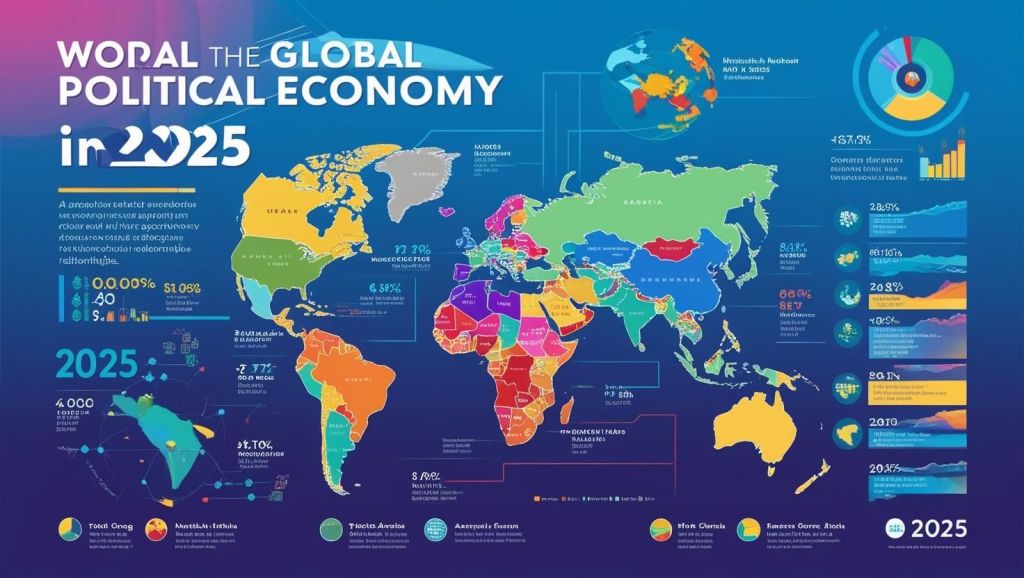
As we step into 2025, the political and economic dynamics across the globe are undergoing significant transformations. Examining the trends shaping our world provides a critical lens to understand the shifting tides of governance, economic systems, and public sentiment. This blog explores the evolving trends, particularly focusing on anti-incumbency, economic stagnation, and the role of capitalism.
Anti-Incumbency: A Global Phenomenon
One of the most notable shifts in global politics is the rising tide of anti-incumbency in developed nations. Historically, incumbents enjoyed a significant advantage, with most governments retaining power. However, recent data shows a steep decline in incumbent governments’ success rates, falling to just 35% in the last year. This marks a dramatic reversal, particularly in nations with historically stable political systems.
Key Drivers of Anti-Incumbency:
1. Economic Stagnation: Sluggish economic growth has eroded public confidence in leadership. Developed nations are grappling with rising inequality and the perception that economic policies favor the elite.
2. Social Discontent: Issues like unaffordable housing, skyrocketing education costs, and restricted social mobility have deepened public dissatisfaction.
3. Immigration and Nationalism: Immigration debates have fueled polarizing politics, contributing to public discontent with incumbent governments.
Interestingly, emerging markets, including India, have shown resilience against this trend. With a 50-50 success rate for incumbents in state elections, India exhibits a more balanced political landscape. This divergence underscores the complexity of anti-incumbency as a global phenomenon.
The Crisis of Capitalism
A growing disillusionment with capitalism, particularly in developed economies, has also emerged as a critical factor shaping global trends. The system, once lauded for its promise of upward mobility, is now perceived as favoring a select few.
Symptoms of a Capitalist Crisis:
Wealth Concentration: Economic power is increasingly concentrated among a handful of corporations and billionaires, stifling competition and innovation.
Diminished Social Mobility: Opportunities for upward mobility are shrinking, leaving many feeling trapped in economic stagnation.
Erosion of Public Trust: The perception that capitalism is “rigged” has led to widespread distrust in economic systems and policymakers.
These factors collectively contribute to political instability and the rise of populist movements, as voters seek alternatives to the status quo.
India: A Different Narrative
While developed economies grapple with anti-incumbency and the capitalist crisis, India presents a contrasting story. The country’s political landscape has transitioned from being predominantly anti-incumbent to a more nuanced 50-50 dynamic. This shift reflects India’s evolving voter behavior and economic resilience.
Why India Defies Global Trends:
1. Economic Growth: Despite challenges, India has maintained robust economic growth, fostering public confidence in governance.
2. Policy Innovation: Initiatives like digital transformation and financial inclusion have addressed grassroots concerns, enhancing public satisfaction.
3. Cultural Factors: India’s diverse electorate often evaluates leaders on localized issues, mitigating broad anti-incumbency trends.
However, India is not immune to the challenges of capitalism. Rising inequality and regional disparities remain pressing concerns that could shape future political and economic narratives.
Looking Ahead: Trends for 2025
As we navigate 2025, the interplay between politics and economics will continue to redefine global and regional landscapes. Key areas to watch include:
Policy Adaptation: Governments must address the root causes of public discontent, such as inequality and access to essential services.
Economic Reforms: Balancing growth with equitable distribution will be critical to restoring faith in capitalism.
Global Collaboration: Tackling transnational challenges like climate change and immigration requires a cooperative approach.
For India, the focus must remain on sustaining economic growth while addressing systemic inequalities. This dual strategy could position the country as a beacon of stability in an increasingly volatile world.
The decline of incumbents in developed economies, coupled with capitalism’s crisis, underscores the need for systemic change. Meanwhile, India’s nuanced political landscape and economic resilience highlight its unique trajectory. As we move forward, the challenge lies in leveraging these insights to foster inclusive growth and political stability, ensuring a prosperous future for all.
 "Connecting communities, empowering nations: Unifying the Regional and Global Economy ."
Leave a comment