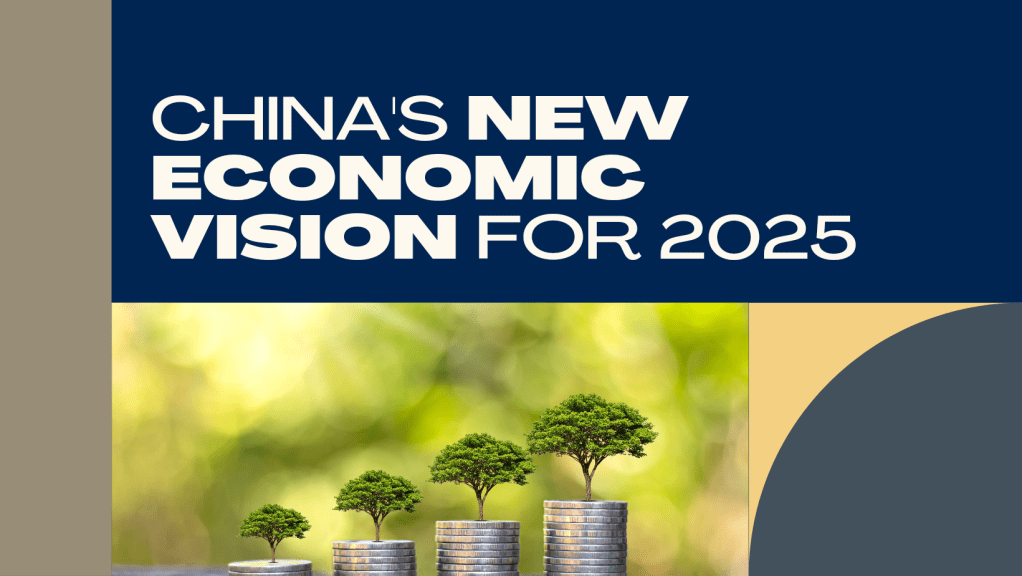
China’s Politburo recently unveiled a series of transformative economic policies to combat slowing growth and reinvigorate its economy. For the first time in 14 years, the nation is transitioning to a “moderately loose” monetary policy, coupled with a more proactive fiscal approach. These shifts aim to stabilize key sectors such as real estate and financial markets while ensuring sustainable growth in 2025. The upcoming Central Economic Work Conference will further elaborate on these strategies, which mark a decisive pivot in China’s economic trajectory.
The Shift to Moderately Loose Monetary Policy
One of the most notable developments is the change in China’s monetary policy stance, which has remained relatively tight since the aftermath of the 2008 global financial crisis. This adjustment reflects the government’s recognition of current economic headwinds, including subdued domestic demand, mounting debt pressures, and a faltering real estate sector.
The adoption of a moderately loose monetary policy signals that interest rates could be further reduced, and liquidity injections might increase to stimulate lending and investment. Such measures aim to support businesses and households, fostering a favorable environment for economic expansion. By easing credit conditions, China also hopes to bolster private sector confidence and counteract global economic uncertainties exacerbated by geopolitical tensions and trade conflicts.
A Proactive Fiscal Policy: A New Catalyst for Growth
Complementing the monetary policy shift, the Politburo has committed to a proactive fiscal strategy. This includes increased government spending, especially in infrastructure projects, and targeted subsidies to stimulate consumer spending. The focus on fiscal measures underscores the need for a balanced approach to economic management, where fiscal tools are deployed to offset weaknesses in private investment and external demand.
Investments in digital infrastructure, green energy, and high-tech industries are expected to feature prominently in this fiscal push. These sectors align with China’s long-term strategic goals of achieving technological self-reliance and reducing its carbon footprint. Additionally, fiscal incentives for small and medium-sized enterprises (SMEs) could play a crucial role in revitalizing grassroots economic activity.
Stabilizing the Property and Stock Markets
China’s real estate market, a cornerstone of its economy, has faced significant challenges in recent years, including declining property sales and developer defaults. To address this, the Politburo has hinted at targeted support measures to stabilize the housing market, such as easing restrictions on home purchases and encouraging bank lending to developers.
Similarly, efforts to boost the stock market are expected to focus on regulatory adjustments and incentives for domestic and foreign investors. Stabilizing financial markets is essential not only for maintaining economic confidence but also for ensuring the broader economic recovery.
GDP Growth Target for 2025
China is likely to set a GDP growth target of around 5% for 2025, reflecting a balance between ambition and realism. While this target is lower than the double-digit growth rates seen in the early 2000s, it aligns with China’s transition to a more sustainable and high-quality growth model.
The 5% target also reflects external pressures, including sluggish global demand and potential trade restrictions. Internally, it accounts for structural challenges such as an aging population and the ongoing need to deleverage key sectors.
Challenges Ahead
Despite these policy shifts, significant challenges remain. The success of the new monetary and fiscal strategies depends on effective implementation and coordination. Structural issues, such as high levels of local government debt and overcapacity in certain industries, could undermine these efforts. Moreover, geopolitical uncertainties, including the U.S.-China trade rivalry and global market volatility, add external pressures.
Another critical area is the real estate sector, which, despite stabilization measures, may take years to fully recover. The risk of over-reliance on fiscal stimulus and monetary easing could also lead to long-term imbalances, such as inflationary pressures and financial instability.
A Bold Step Forward
China’s Politburo has taken bold steps to address the economic challenges of 2025 with a dual focus on monetary easing and proactive fiscal policies. While the road ahead is fraught with challenges, these measures signify a strong commitment to stabilizing the economy and fostering sustainable growth. The upcoming Central Economic Work Conference will provide further clarity on how these strategies will be implemented.
By prioritizing stability and long-term development, China aims to navigate the complex global economic environment while continuing its journey toward becoming a resilient and innovative economy. However, the ultimate success of these policies will depend on their execution and the government’s ability to adapt to evolving domestic and international dynamics.
 "Connecting communities, empowering nations: Unifying the Regional and Global Economy ."
Leave a comment