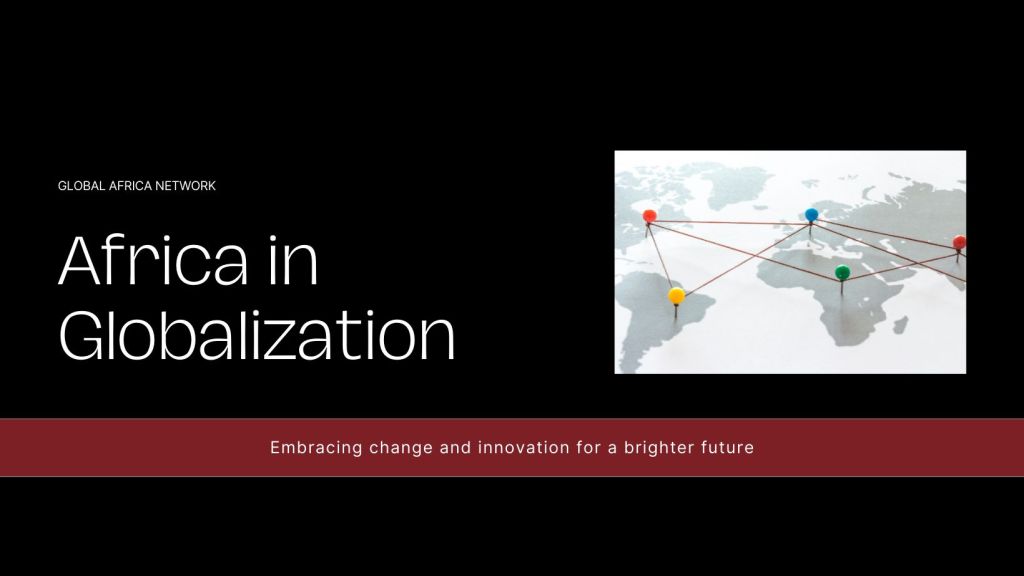
Africa, with its vast natural resources and young, dynamic population, stands at a critical juncture in the evolving narrative of globalization. As the world undergoes economic and geopolitical shifts, Africa’s role as a key player in global supply chains and a destination for investment is becoming increasingly evident. However, the continent faces significant challenges and opportunities that require a nuanced and strategic approach. This blog explores these dynamics, considering data, reasoning, and critical perspectives to shed light on Africa’s potential trajectory.
Africa’s Role in Global Supply Chains
Historically, Africa has been a major supplier of commodities to global markets, particularly to countries like China. In exchange, China has invested heavily in infrastructure development across the continent, building railways, ports, and power plants. This infrastructure is essential for Africa’s economic growth, enabling better logistics and connectivity. However, the relationship has been characterized by an extractive approach, with limited value addition within Africa.
For instance, Chinese investments have largely focused on securing raw materials to fuel its own industries, such as minerals and oil, without fostering significant local industrialization. While Africa has experienced stable growth rates of around 5% over the past decade, this growth has not translated into widespread improvements in living standards. Instead, inequality remains a pressing issue, as the benefits of resource extraction often fail to reach local populations.
Challenges of China’s Debt Diplomacy
One of the most contentious aspects of China’s engagement in Africa is its debt-driven investment strategy. Through the Belt and Road Initiative (BRI), China has offered loans to finance large-scale infrastructure projects, making it the largest creditor to emerging markets, surpassing the IMF and World Bank. However, this financing model has raised concerns about debt sustainability and sovereignty.
In countries like Djibouti, where China has taken control of strategic ports as debt repayment, or Peru, where dams have been seized under similar circumstances, the consequences of unsustainable debt are stark. These actions highlight the need for more responsible debt restructuring practices. Instead of providing relief, China’s approach often exacerbates the financial burden on these nations, raising questions about the long-term benefits of such investments.
The Demographic Dividend and Infrastructure Needs
Africa’s demographics present both a challenge and an opportunity. With the youngest population globally, particularly in regions like North Africa, the demand for jobs is immense. Infrastructure development is key to creating employment opportunities and supporting economic growth. However, the financing and execution of these projects must prioritize local benefits.
Countries in Western Africa, for example, are poised to become hubs of economic activity if infrastructure investments are aligned with job creation and industrialization. This requires partnerships that go beyond resource extraction, fostering skills development, technology transfer, and inclusive growth.
Lessons for Africa: The Gift of Caution
Africa’s experience with China underscores a critical lesson: beware of external partners offering seemingly generous gifts. While infrastructure investments are crucial, they must be assessed for their long-term implications on debt sustainability and sovereignty. African nations must adopt a more strategic approach to foreign investments, ensuring that partnerships align with their development goals.
The Way Forward
1. Promoting Value Addition: African countries must prioritize industries that process raw materials locally, creating jobs and retaining more value within the continent. This shift from being mere commodity exporters to value-added producers is essential for sustainable growth.
2. Debt Transparency and Accountability: Governments must negotiate loans with transparency and clear repayment terms, avoiding agreements that compromise national assets. Engaging multiple international partners can reduce dependency on a single creditor.
3. Investing in Human Capital: With a young and growing workforce, Africa’s potential lies in education and skills development. Investments in sectors like technology, manufacturing, and services can harness this demographic dividend.
4. Regional Integration: Strengthening intra-African trade and collaboration through initiatives like the African Continental Free Trade Area (AfCFTA) can enhance economic resilience and reduce reliance on external markets.
5. Environmental and Social Considerations: Sustainable development must balance economic growth with environmental preservation and social equity. Infrastructure projects should undergo rigorous impact assessments to ensure they benefit local communities.
Africa’s position in the new globalization era is both promising and precarious. While its natural resources and demographic advantages offer immense potential, the challenges of debt, inequality, and value addition require careful navigation. By adopting a strategic, inclusive, and transparent approach to global partnerships, Africa can transform its role in the world economy, ensuring that its development benefits not just external stakeholders but its own people.
 "Connecting communities, empowering nations: Unifying the Regional and Global Economy ."
Leave a comment