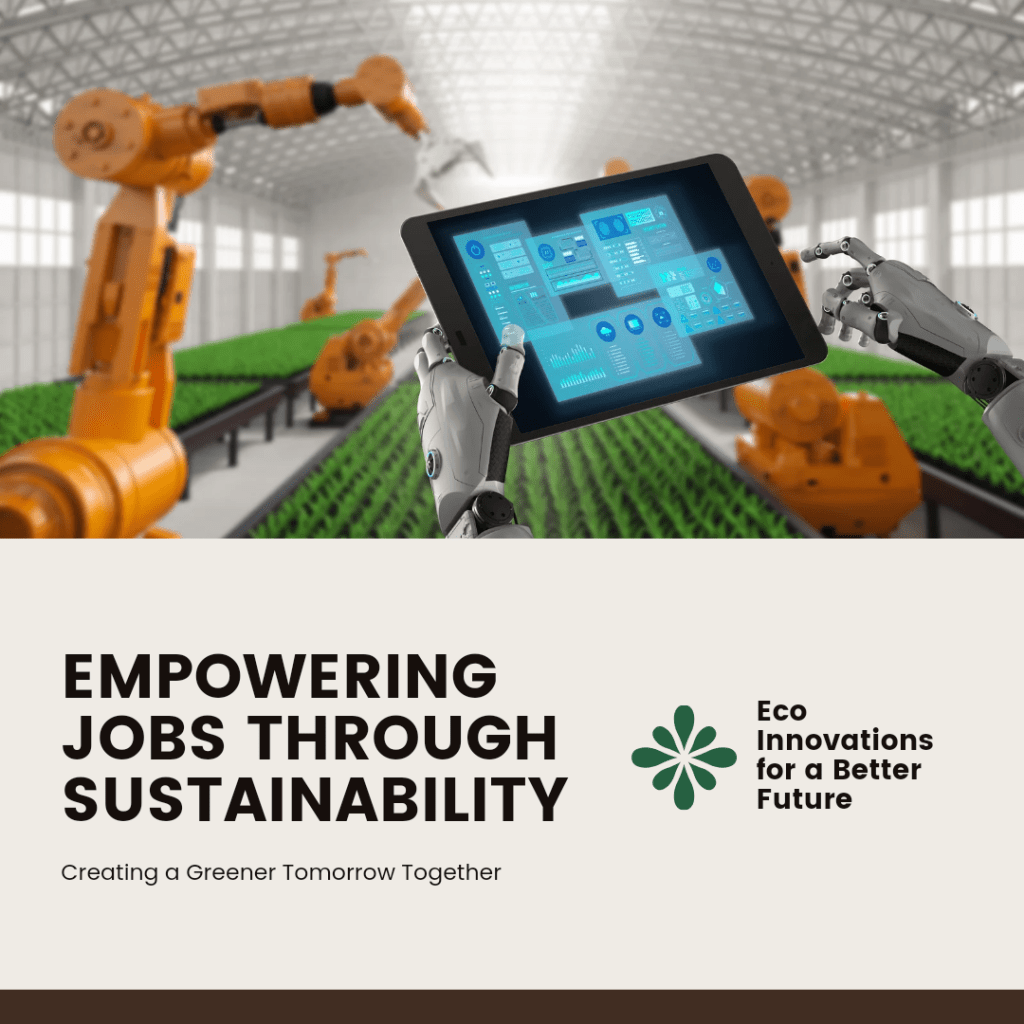
As the world shifts towards more sustainable and environmentally friendly technologies, one of the key questions being asked is whether these innovations will create more employment opportunities. With climate change at the forefront of global discussions, industries are increasingly adopting eco-friendly technologies to reduce their environmental impact. This raises an intriguing debate: Will the transition to green technology be more human-intensive, thus generating more employment? Or will automation in these sectors reduce the need for human labor?
The answer is not straightforward. While environmentally friendly technologies hold immense potential for creating jobs in certain sectors, they also bring challenges related to automation and the changing nature of work. Let’s delve into this topic and explore the potential impacts of green technologies on employment.
The Promise of Green Jobs
Environmentally friendly technologies, or green technologies, are designed to mitigate environmental harm and promote sustainability. These include renewable energy systems, energy-efficient processes, waste management solutions, and innovations in sectors such as transportation, agriculture, and manufacturing. One of the most significant promises of this green revolution is the potential to generate “green jobs.”
Green jobs are employment opportunities that contribute to preserving or restoring the environment. According to the International Labour Organization (ILO), transitioning to a greener economy could create millions of new jobs globally. For example, jobs in renewable energy (solar, wind, hydropower) have already seen rapid growth, particularly in regions where investments in these sectors are on the rise.
Several environmentally friendly technologies are human-intensive, particularly in their early stages of implementation. Here’s why they are likely to create more jobs:
1. Installation and Maintenance: Green technologies, such as solar panels or wind turbines, require significant human labor for installation, maintenance, and operation. For instance, solar farms need technicians to install panels, electricians to connect them, and engineers to monitor their performance. The same is true for wind farms and other renewable energy systems, which require skilled and semi-skilled workers to manage operations.
2. Manufacturing and Supply Chain: Building and deploying environmentally friendly technologies require robust supply chains that can create jobs across various sectors. From the mining of raw materials used in battery storage to the manufacturing of energy-efficient appliances, a green economy involves multiple layers of human involvement.
3. Agriculture and Forestry: Sustainable farming practices, afforestation, and conservation efforts are typically labor-intensive. These green sectors offer jobs that range from organic farming to sustainable forestry, all of which require a human workforce to implement eco-friendly practices.
4. Recycling and Waste Management: With growing awareness of the harmful effects of waste, especially plastic, waste management and recycling industries are expanding. This sector is also labor-intensive, with jobs created in sorting, processing, and transforming waste into reusable materials.
Automation vs. Human-Intensive Jobs in Green Technology
While green technologies hold immense potential for job creation, they are not immune to the global trend of automation. In many industries, automation and artificial intelligence (AI) are being used to streamline processes and reduce the need for human labor. This has sparked concerns that, despite the potential of green jobs, technological advancements could reduce the overall demand for workers.
1. Renewable Energy Automation: While jobs in the renewable energy sector are growing, automation is gradually being integrated into the operations of solar and wind farms. Advanced technologies can now monitor energy output, predict equipment failures, and even automate maintenance processes, reducing the need for human intervention. While this increases efficiency, it could also limit job creation in the long term.
2. Smart Agriculture: In the agricultural sector, technology-driven solutions like precision farming and automated machinery are being adopted to enhance productivity. These technologies reduce the reliance on manual labor and increase output, raising concerns that green agriculture may not be as human-intensive as it once was.
3. Green Manufacturing: The use of automation in green manufacturing processes, such as the production of electric vehicles or energy-efficient appliances, could lead to fewer jobs in traditional manufacturing. Robots, AI, and machine learning are being integrated into assembly lines to increase efficiency and reduce costs, potentially displacing workers.
While automation poses a challenge, it doesn’t necessarily mean job loss. Instead, it shifts the nature of work. The jobs of the future may require more technical skills, where workers are responsible for managing, monitoring, and optimizing these automated processes. This calls for investments in upskilling and reskilling the workforce to ensure that human labor remains relevant in a greener economy.
Sectors Where Green Technology Could Be More Human-Intensive
While some sectors may see increased automation, there are industries where environmentally friendly technologies could remain human-intensive, leading to significant job creation.
1. Energy Efficiency: The transition to energy-efficient buildings and infrastructures, such as retrofitting homes with better insulation or installing smart grids, requires a substantial human workforce. This sector is expected to generate millions of jobs as countries invest in making their buildings, transportation systems, and industries more energy-efficient.
2. Sustainable Tourism: As the world moves towards more sustainable practices, industries like tourism are shifting to eco-friendly models. Jobs in eco-tourism, nature conservation, and sustainable hospitality can offer employment opportunities that prioritize human involvement and environmentally conscious practices.
3. Environmental Conservation and Restoration: Activities like forest restoration, wetland conservation, and soil regeneration require a significant human workforce. These initiatives, which aim to reverse environmental damage, are labor-intensive and offer opportunities for employment in both rural and urban areas.
The Role of Governments and Policymakers
For environmentally friendly technologies to be human-intensive and generate employment, supportive policies and investments are crucial. Governments and policymakers play a vital role in promoting green jobs by:
1. Incentivizing Green Investments: Providing tax breaks, subsidies, or grants for businesses that invest in green technologies can stimulate job creation. Governments can also implement policies that favor eco-friendly technologies over their conventional counterparts, creating demand for human labor in green sectors.
2. Fostering Skills Development: To ensure that workers are not left behind in the green economy, governments must invest in training and education programs that focus on skills relevant to green jobs. Collaborating with private-sector employers and educational institutions can help workers acquire the technical expertise needed for green technology jobs.
3. Promoting Green Entrepreneurship: Encouraging the growth of green startups and small businesses can create employment opportunities. Governments can support green entrepreneurship through access to funding, mentorship, and market entry opportunities.
The Future of Employment in a Green Economy
The transition to environmentally friendly technologies presents both opportunities and challenges for employment. While automation could reduce the need for labor in some sectors, green technologies have the potential to create millions of jobs in industries that remain human-intensive. The key lies in striking a balance between leveraging technology for efficiency and ensuring that human labor remains central to the green economy.
Ultimately, the future of employment in environmentally friendly technologies depends on how well businesses, governments, and workers can adapt to the changing nature of work. With the right investments in skills development, supportive policies, and green innovation, the transition to a more sustainable economy could be a powerful driver of job creation, enhancing livelihoods while protecting the planet.
Green technologies may indeed be more human-intensive, but their impact on employment will vary across sectors. What remains clear is that, with the right strategies in place, the green revolution can lead to a brighter, more sustainable future—both for the environment and for job creation.
 "Connecting communities, empowering nations: Unifying the Regional and Global Economy ."
Leave a comment