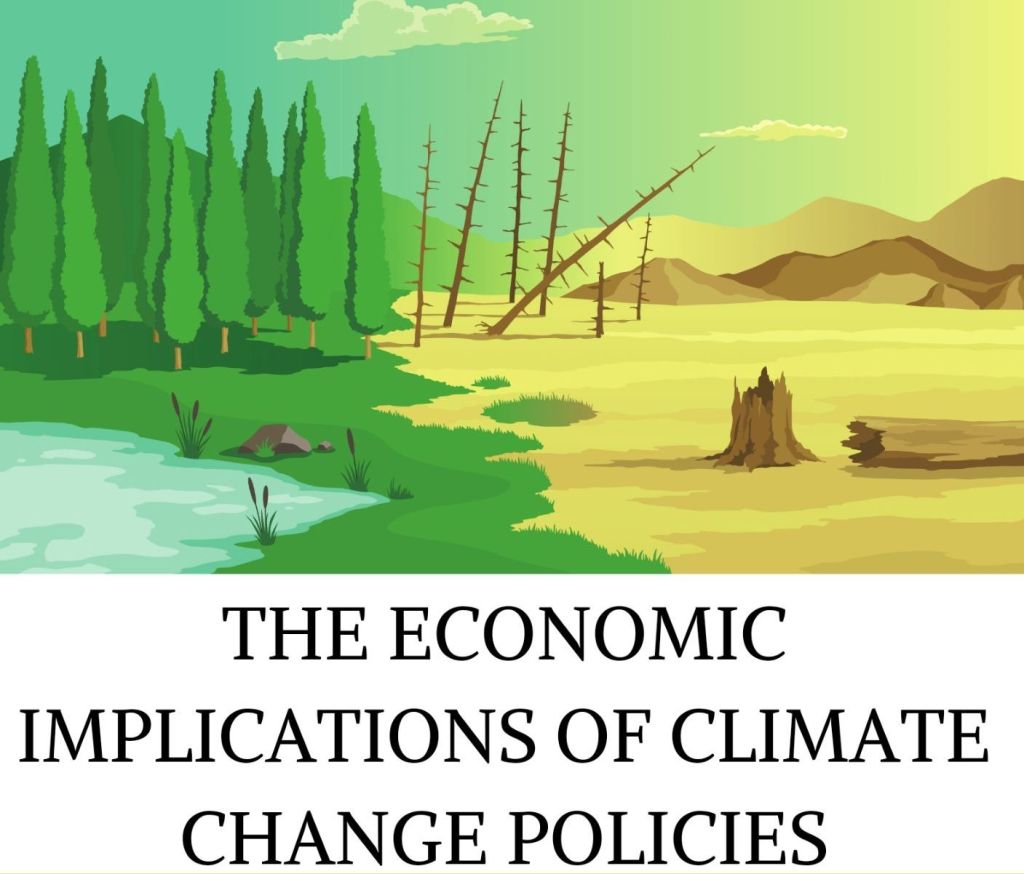
As the planet grapples with the escalating impacts of climate change, countries across the globe are seeking to implement robust economic policies that address environmental concerns. From carbon pricing to investments in renewable energy, nations are increasingly recognizing that sustainable economies are not just a necessity for the planet, but also a pathway to growth and prosperity. In this blog, we’ll delve into how different countries are employing economic strategies to combat climate change and explore some notable investments in sustainable technologies.
Global Approaches to Climate Change
Europe has long been a leader in climate policy, with the European Green Deal setting a blueprint for ambitious environmental reforms. The introduction of the European Green Deal aims for the EU to become the world’s first climate-neutral continent by 2050. A cornerstone of this policy is the Emissions Trading System (ETS), through which companies buy or receive emission allowances—essentially putting a price on carbon and providing financial incentives to reduce greenhouse gas emissions.
Moreover, the EU has committed over €1 trillion in sustainable investments, moving towards a green transition. This funding supports renewable energy projects, green technologies, and eco-friendly infrastructures, catalyzing a transformation towards a sustainable economy.
United States: A Renewed Commitment
The United States under the Biden administration has reinvigorated its climate policy with the introduction of the American Jobs Plan, which allocates over $2 trillion to modernize infrastructure with a climate focus. This plan includes substantial investments in electric vehicle (EV) infrastructure, clean energy projects, and the retrofitting of buildings to enhance energy efficiency.
Additionally, the U.S. has rejoined the Paris Agreement, aiming to cut greenhouse gas emissions by about 50% below 2005 levels by 2030. This commitment is complemented by incentives for green energy production and innovation, demonstrating a robust economic approach to tackling climate change.
China: Striking a Balance
As the world’s largest emitter of CO2, China is treading a complex path between rapid industrial growth and necessary environmental reforms. In recent years, China has announced plans to peak carbon emissions before 2030 and achieve carbon neutrality by 2060. It is increasing investments in renewable energy sources, particularly solar and wind power, and enhancing its carbon trading market to include more sectors.
China’s Green Belt and Road Initiative is also noteworthy, as it integrates sustainability into its international infrastructure projects, promoting global investment in green technologies and low-carbon solutions.
Investments in Sustainable Technologies
Renewable Energy
Countries worldwide are ramping up their investments in renewable energy, with notable examples including Germany’s Energiewende (Energy Transition) initiative. Germany’s ambitious goal includes generating 80% of its electricity from renewable sources by 2030, which has spurred massive investments in wind, solar, and biomass energy.
Electric Vehicles (EVs)
Norway is the global leader in EV adoption, with electric cars accounting for over 60% of new car sales in the country. The success is driven by a mix of economic policies such as tax incentives, subsidies, and investments in EV infrastructure, including an extensive network of charging stations.
Green Infrastructure
The Netherlands is pioneering the development of climate-resilient infrastructure. Projects like Room for the River demonstrate innovative approaches to managing flood risks while simultaneously investing in natural landscapes. These efforts not only mitigate the impacts of climate change but also enhance biodiversity and promote tourism.
Towards a Sustainable Economic Future
The economic implications of climate change policies are profound, influencing everything from industry practices to consumer behavior. As nations continue to implement and refine these policies, the global economy is gradually pivoting towards sustainability. Investments in renewable energy, electric vehicles, and green infrastructure are not only reducing environmental impacts but also driving technological innovation and creating new economic opportunities.
As the world collectively advances towards a greener future, these economic policies and investments in sustainable technologies represent critical steps in mitigating climate change and securing a prosperous, sustainable future for all.
 "Connecting communities, empowering nations: Unifying the Regional and Global Economy ."
Leave a comment