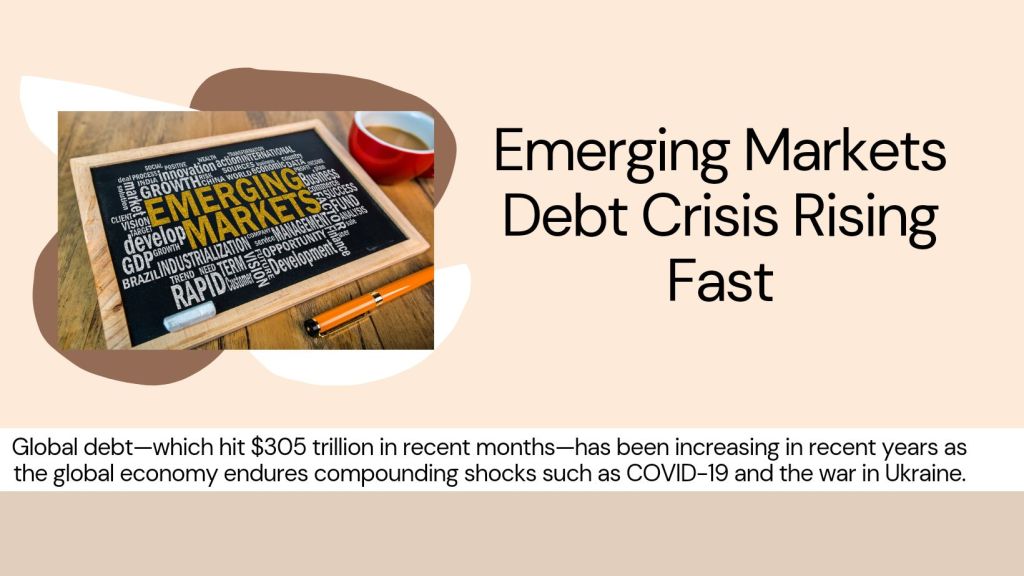
In recent years, the surge in debt levels within emerging markets has become a significant concern for economists, policymakers, and investors alike. As these economies grapple with rapidly increasing obligations, it’s crucial to analyze the underlying causes, assess potential crises, and explore viable mitigation strategies. This blog delves into the patterns of debt accumulation, the inherent risks, and the steps that can be taken to avert economic disasters.
Debt Accumulation Patterns
The first step in understanding the rising debt levels in emerging markets is to analyze the patterns of debt accumulation. Several distinct trends and factors contribute to this phenomenon:
1. Global Interest Rates
In the aftermath of the 2008 financial crisis, economies, particularly the United States, adopted ultra-loose monetary policies. With low global interest rates, emerging markets found it attractive to borrow more. The availability of cheap credit spurred an increase in both sovereign and corporate debt levels.
2. Commodity Price Fluctuations
Many emerging markets are heavily reliant on commodities as a significant source of income. Fluctuations in commodity prices have a direct impact on these economies. During periods of high commodity prices, there is a tendency to borrow more, expecting sustained revenues. However, downturns can lead to unsustainable debt levels.
3. Domestic Policy Choices
Governments in emerging markets often resort to borrowing finance infrastructure projects, social programs, and development initiatives. While these investments can stimulate growth, they also increase the debt burden. Additionally, poor fiscal discipline and inefficiencies exacerbate the debt situation.
4. External Shocks
Emerging markets are more vulnerable to external shocks, such as geopolitical tensions, trade disputes, and changes in global economic conditions. These shocks can lead to capital outflows, currency depreciations, and increased borrowing costs, further contributing to debt accumulation.
Potential Crises and Their Consequences
The rising debt levels pose several risks that could potentially trigger economic crises in emerging markets. Here are some of the key concerns:
1. Debt Servicing Challenges
As debt levels rise, so do the costs associated with servicing that debt. This can lead to a vicious cycle where more borrowing is needed to meet existing obligations, crowding out essential expenditures on health, education, and infrastructure.
2. Currency Depreciation
High levels of external debt can result in currency depreciation, as markets lose confidence in the ability of a country to meet its obligations. A weak currency exacerbates the debt burden and can lead to inflation, impacting the overall stability of the economy.
3. Reduced Investor Confidence
When debt levels become unsustainable, it erodes investor confidence. A sudden pullback by investors can lead to a liquidity crunch, putting further strain on the economy and making it difficult to refinance existing debt.
4. Sovereign Defaults
In extreme cases, rising debt levels can lead to sovereign defaults. These defaults can have a domino effect, destabilizing the entire region and leading to severe social and economic consequences.
Mitigation Strategies
To navigate the treacherous waters of rising debt levels, emerging markets must adopt comprehensive mitigation strategies. Here are some approaches:
1. Strengthening Fiscal Discipline
Governments must prioritize fiscal discipline by reducing budget deficits and implementing sound public financial management practices. This includes prudent budgeting, efficient tax collection, and curbing unnecessary expenditures.
2. Diversifying Economies
Reducing reliance on a narrow range of commodities or industries can help mitigate the impact of external shocks. Diversification strategies, such as promoting tourism, technology, and services, can create more stable revenue streams and reduce vulnerability.
3. Enhancing Debt Transparency
Transparent reporting of debt levels and borrowing activities can build confidence among investors and stakeholders. This includes adhering to international standards for debt management and publishing regular assessments of debt sustainability.
4. Engaging with International Institutions
International financial institutions, such as the International Monetary Fund (IMF) and the World Bank, can provide crucial support through funding, policy advice, and technical assistance. Engaging with these institutions can help countries manage their debt more effectively.
5. Developing Domestic Capital Markets
Strengthening domestic capital markets can reduce reliance on external borrowing. By developing robust financial markets, countries can mobilize domestic savings and attract investment, providing a more stable source of funding.
Conclusion
Rising debt levels in emerging markets present both challenges and opportunities. By understanding the causes of debt accumulation and proactively implementing mitigation strategies, these economies can navigate the complexities of debt management and foster sustainable growth. Policymakers and stakeholders must remain vigilant, adapting their approaches to an ever-evolving global economic landscape.
 "Connecting communities, empowering nations: Unifying the Regional and Global Economy ."
Leave a comment