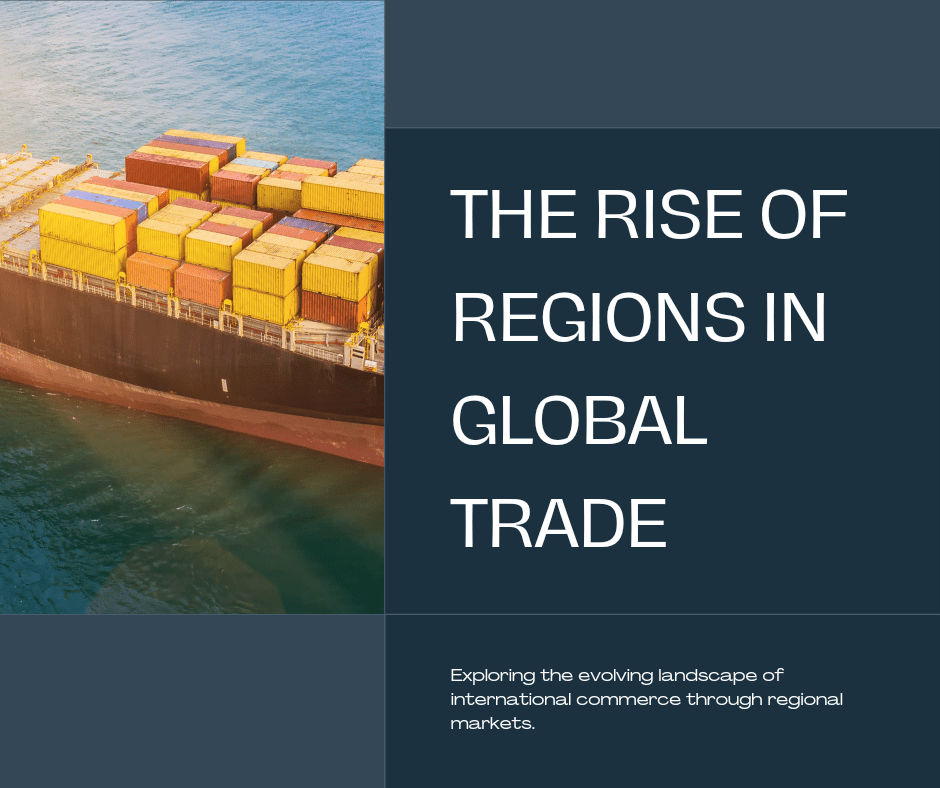
The winds of change are blowing through the global trade landscape. As the World Trade Organization (WTO) grapples with deadlock and geopolitical tensions simmer, a new force is emerging: regional trade agreements (RTAs). No longer simply stepping stones to broader liberalization, these agreements are increasingly viewed as powerful instruments of economic integration, wielding the potential to reshape global trade patterns and redefine international cooperation.
Two recent examples, the African Continental Free Trade Area (AfCFTA) and the Regional Comprehensive Economic Partnership (RCEP) in Asia, embody this shift. Launched in 2021, the AfCFTA represents a monumental stride for Africa, establishing the world’s largest free trade area by participating countries. This ambitious agreement aspires to dismantle trade barriers, boost intra-African trade, and unlock the continent’s vast economic potential. Meanwhile, RCEP, which came into effect in the same year, binds together fifteen Asia-Pacific nations, encompassing economic powerhouses like China, Japan, and South Korea. By streamlining trade processes, promoting investment flows, and fostering deeper economic ties, RCEP aims to establish a robust and integrated regional market.
This burgeoning emphasis on regionalism is driven by a confluence of factors. Firstly, the stalled WTO negotiations and rising protectionist sentiments have spurred nations to seek alternative avenues for trade liberalization. RTAs offer a more manageable platform for negotiations, allowing countries with shared interests and priorities to forge tailored agreements. Secondly, the increasing complexities of global supply chains and the rise of regional value chains have made geographic proximity an increasingly valuable asset. RTAs facilitate the smoother flow of goods, services, and investments within regions, fostering deeper economic integration and enhancing competitiveness.
However, the rise of regionalism is not without its critics. Some argue that RTAs can be discriminatory, potentially diverting trade away from non-member countries and undermining the WTO’s multilateral trading system. Others express concerns about the “spaghetti bowl” effect, where overlapping and potentially conflicting rules of different RTAs create complexity and uncertainty for businesses.
Despite these concerns, the momentum behind regional trade agreements is undeniable. The AfCFTA and RCEP, with their potential to unlock significant economic growth and development, serve as powerful testaments to the allure of regionalism. The success of these agreements hinges on effective implementation, robust institutions, and a commitment to inclusive growth.
Looking ahead, the relationship between regionalism and multilateralism will be crucial. Rather than viewing them as competing forces, efforts should be made to ensure complementarity and synergy between RTAs and the WTO. Regional agreements can serve as building blocks for broader liberalization, driving progress on issues that have proven difficult to address at the global level.
The rise of regional trade agreements marks a pivotal moment in the evolution of global trade. While challenges and uncertainties remain, the potential benefits of deeper regional integration are too significant to ignore. By embracing a spirit of cooperation and working towards a future where regionalism and multilateralism reinforce each other, the world can unlock a new era of inclusive and sustainable economic growth for all.
 "Connecting communities, empowering nations: Unifying the Regional and Global Economy ."
Leave a comment