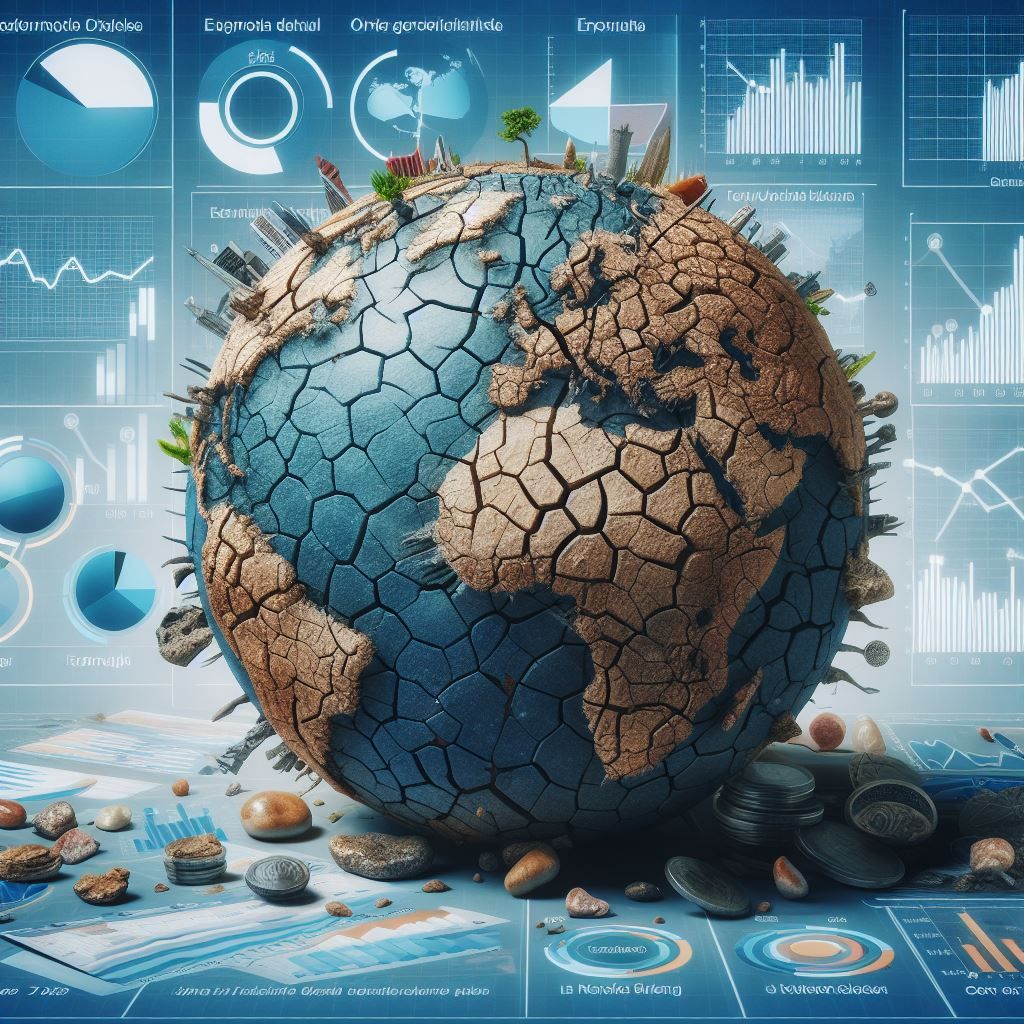
In the hallowed halls of the International Monetary Fund (IMF), a quiet revolution is unfolding. This bastion of global financial stability, long focused on the intricate dance of currencies and fiscal policies, has awakened to a new and formidable challenge – the towering threat of climate change.
Once content to simply monitor the pulse of the world economy, the IMF is now boldly stepping into the fray, wielding its considerable influence to confront the devastating economic and financial consequences of a warming planet.
It is a shift that speaks volumes about the changing tides of our time. As the undeniable impacts of climate change – from extreme weather events to disruptions in food production – begin to reverberate through the global marketplace, the IMF has recognized that it can no longer afford to remain a passive observer.
“The economic and financial consequences of a warming planet are becoming impossible to ignore,” declares Christine Lagarde, the IMF’s Managing Director. “We must be proactive, not reactive, in shielding the world economy from the ravages of climate change.”
And so, the IMF has pivoted, assuming a leadership role on two critical fronts: managing climate risks and facilitating the transition to a low-carbon economy.
Weathering the Storm:
On the first front, the IMF is guiding its member nations in identifying and assessing the myriad ways in which climate change can wreak havoc on their economies. From intensifying natural disasters to the slow-burning disruptions in agriculture and infrastructure, the IMF is arming countries with the tools to quantify these risks and fortify their financial resilience.
“It’s no longer enough to simply monitor the global economy,” says Lagarde. “We must empower our member states to anticipate and withstand the shocks of a changing climate.”
Through in-depth analyses and interactive simulations, the IMF is equipping nations with the knowledge and resources to weather the proverbial storms ahead. Armed with this foresight, countries can now make strategic investments in disaster preparedness, strengthen their social safety nets, and safeguard their financial systems against the turbulence of a warming world.
Forging a Sustainable Future: Navigating the Low-Carbon Transition
On the second front, the IMF is guiding its members on the daunting task of transitioning away from fossil fuels and toward a low-carbon economy. This is no mere environmental imperative, the IMF argues, but an economic necessity.
“The writing is on the wall – the future lies in renewable energy, green infrastructure, and sustainable growth,” asserts Lagarde. “Those who fail to heed this call risk being left behind in the global economic race.”
Through a suite of policy recommendations, the IMF is empowering nations to chart a path forward that minimizes disruption and fosters long-term prosperity. This might involve the strategic implementation of carbon pricing mechanisms, targeted investments in clean energy technologies, or the strategic restructuring of energy-intensive industries.
“It’s not enough to simply reduce our carbon footprint,” Lagarde says. “We must do so in a way that unlocks new economic opportunities and creates a more resilient, sustainable global economy.”
A New Era of Climate-Conscious Economics
By embracing this dual mandate of climate risk management and low-carbon transition, the IMF is ushering in a new era of climate-conscious economics. No longer content to merely monitor the global financial pulse, the institution is now actively shaping the economic and policy responses to the climate crisis.
“The world is changing, and the IMF is evolving with it,” Lagarde declares. “We are no longer simply observers, but active participants in the fight to safeguard our shared economic future.”
As the world grapples with the sobering realities of a warming planet, the IMF’s proactive stance offers a glimmer of hope. By leveraging its formidable resources and global influence, this once-traditional institution is poised to become a powerful catalyst for a more sustainable and resilient global economy.
 "Connecting communities, empowering nations: Unifying the Regional and Global Economy ."
Leave a comment