Introduction:
The world of transportation is on the cusp of a revolution. Driven by innovation and the growing demand for sustainability, mobility technology is poised to reshape our cities, redefine transportation, and revolutionize the way we move.
1. The Reign of Electric Avenues:
The transition from fossil fuels to electric vehicles (EVs) signifies a transformative shift in the transportation landscape. Advancements in battery technology will enable longer ranges, faster charging times, and a significant reduction in carbon emissions. As a result, internal combustion engines will gradually take a back seat, making way for electric mobility.
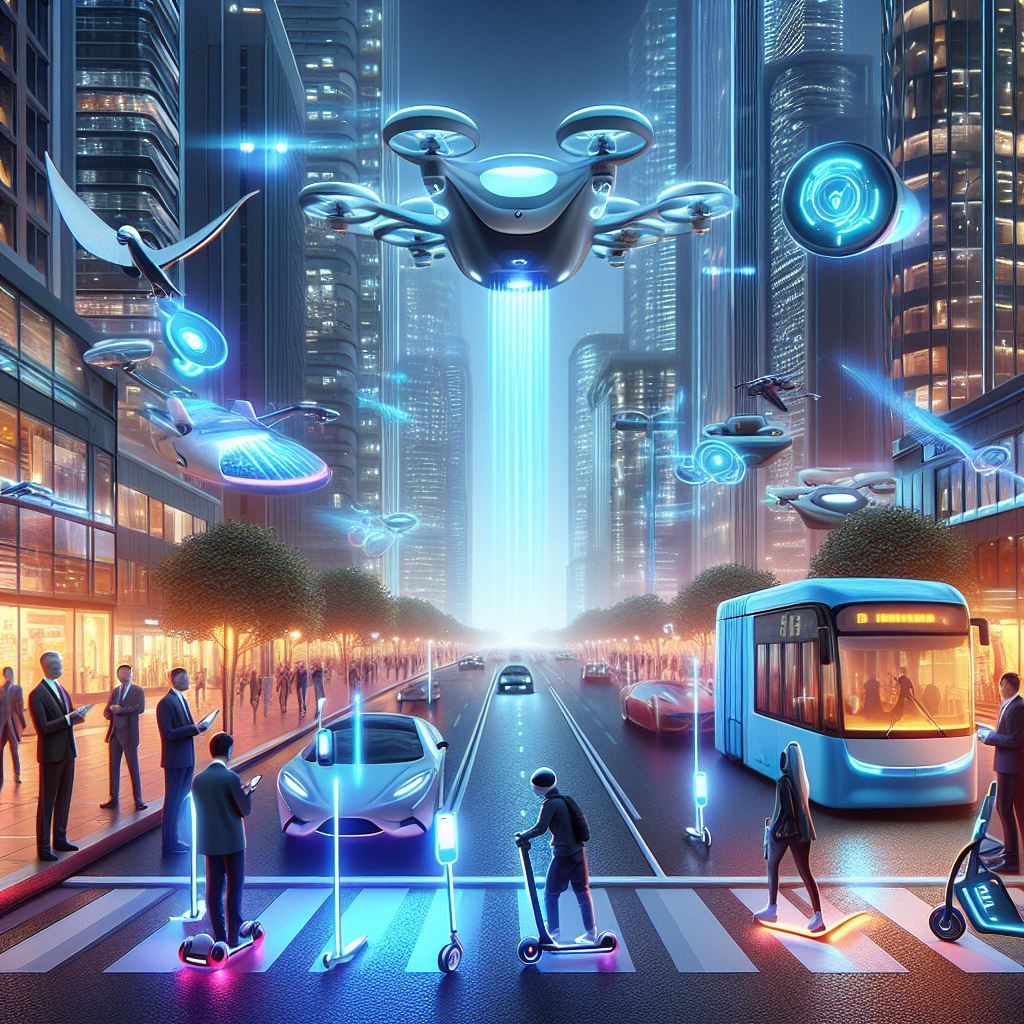
With the rise of EVs comes the need for smarter charging infrastructure. Cities will be equipped with a network of intelligent charging stations that integrate with renewable energy sources, optimizing charging based on grid demand. Imagine solar-powered streetlights that double as charging spots, allowing vehicles to harness the power of the sun. Micromobility, such as e-bikes and e-scooters, will also become ubiquitous for short-distance travel, providing a convenient and eco-friendly alternative to cars.
2. The Rise of the Autonomous Revolution:
The emergence of autonomous vehicles (AVs) will revolutionize transportation as we know it. Combining advanced sensor technology and artificial intelligence, self-driving cars will navigate roads with human-like precision, improving safety and accessibility for all.
Imagine a network of self-driving pods seamlessly whisking passengers to their destinations. These personalized vehicles have the potential to revolutionize urban transportation, reducing traffic congestion and making public transit more efficient. Furthermore, autonomous vehicles can transform commutes into mobile workspaces, with passengers utilizing their travel time for meetings, presentations, or catching up on work. This heightened productivity will redefine how we perceive and utilize our time spent on the move.
3. Mobility as a Service (MaaS): The End of Ownership?
The future of transportation may see the concept of car ownership become outdated. Mobility as a Service (MaaS) platforms will integrate various transportation options, from EVs and AVs to ride-sharing and public transit, into a unified system. Users will have access to the most suitable mode of transportation for their specific needs with a simple tap on their smartphones.
The rise of car subscriptions will enable users to choose a vehicle based on their current requirements, whether it’s a fuel-efficient car for daily commutes or a spacious SUV for a weekend getaway. Big data and AI-driven MaaS platforms will optimize traffic flow, predict demand, and personalize user experiences, providing real-time information on the most efficient routes and the nearest available self-driving cars.
4. A More Connected and Sustainable Future:
Vehicle-to-Everything (V2X) communication will enable cars to communicate with each other and infrastructure, creating a comprehensive network that enhances safety and efficiency. Intersection management systems will automatically adjust traffic lights based on real-time vehicle data, minimizing congestion and improving flow.
With real-time data on traffic, parking availability, and public transportation utilization, traffic management systems will revolutionize cities. Infrastructure can be optimized, creating more pedestrian-friendly environments and improving the overall quality of life for citizens. The future of mobility will seamlessly integrate various transportation options, providing a multimodal ecosystem where switching effortlessly between self-driving cars, dockless e-scooters, and high-speed rail becomes the norm.
As we look ahead, the road to the future of mobility technology is paved with innovation and promise. While challenges in infrastructure development, regulations, and ethical considerations remain, the future promises a transportation landscape that is cleaner, smarter, and more accessible for everyone. The reign of electric vehicles, the rise of autonomous vehicles, the concept of Mobility as a Service (MaaS), and the pursuit of connected and sustainable cities will shape the way we move and interact with our surroundings. Buckle up, because the ride is about to get exciting!
 "Connecting communities, empowering nations: Unifying the Regional and Global Economy ."
Leave a comment