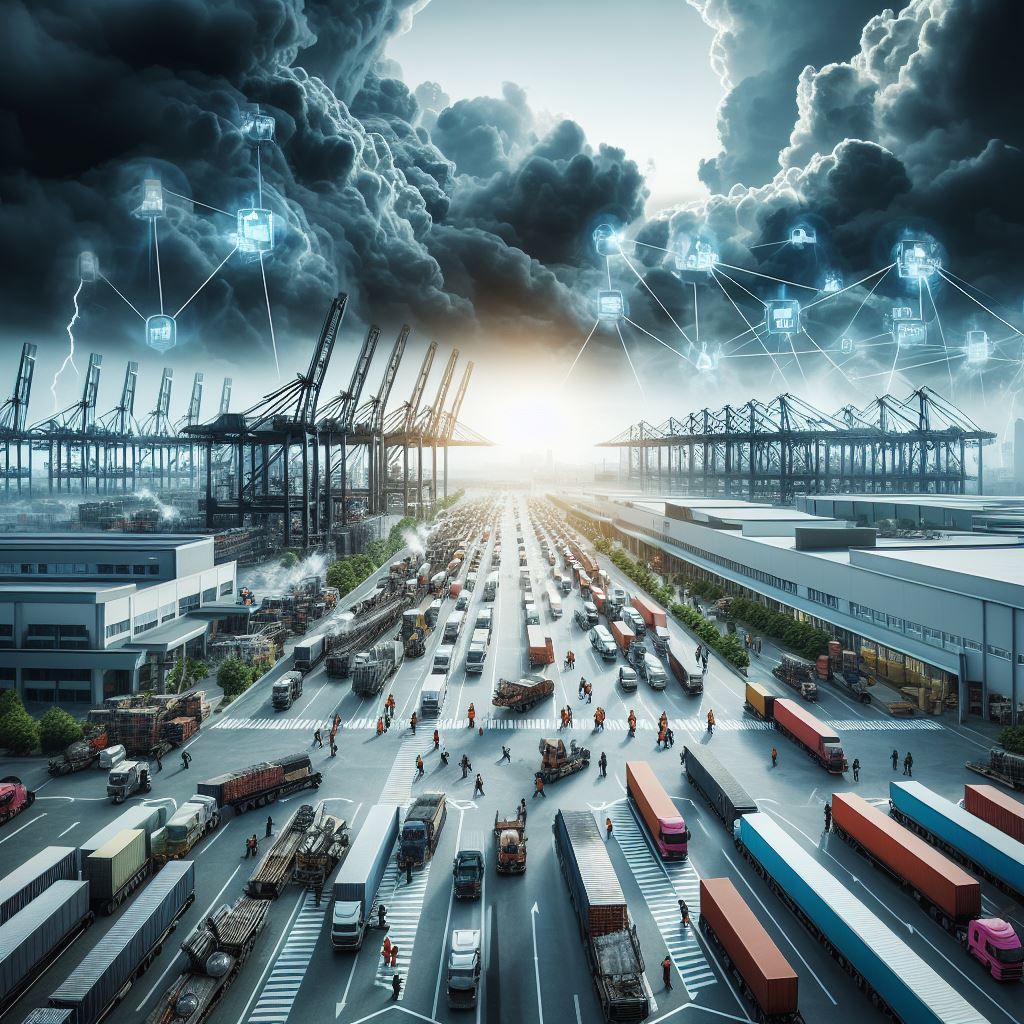
Introduction:
The interconnectedness of the global economy has created a world where disruptions in one region can have far-reaching consequences across the supply chain. The ongoing war in Ukraine and other geopolitical tensions in the Middle East have further heightened these challenges, impacting Indian manufacturers in multiple ways. These lines aim to explore the production challenges faced by Indian manufacturers due to global supply chain disruptions, the subsequent impact on various sectors, and potential solutions to mitigate the adverse effects.
1. Raw Material Availability:
The war in Ukraine and Middle East tension has caused significant disruptions in the availability of key raw materials, such as steel, aluminum, neon gas, palladium, and even wheat. These shortages directly affect multiple sectors, including automobiles, electronics, construction, and others. Finding alternative sources for these materials presents a significant challenge due to capacity limitations and elevated transportation costs. Manufacturers may face production slowdowns or stoppages, impacting their ability to meet market demand and fulfill orders.
2. Production Cost Increases:
Shortages, coupled with rising transportation costs, are leading to surging prices of raw materials. Indian manufacturers are grappling with the dilemma of either absorbing the increased costs, thereby shrinking profit margins, or passing them on to consumers through higher prices. The volatility and uncertainty in supply chains make inventory management a complex task. Maintaining optimal inventory levels becomes paramount, as excess inventory limits capital availability, while inadequate inventory can cause production disruptions.
3. Other Challenges:
Aside from raw material shortages and cost increases, logistics delays and geopolitical uncertainty further compound the difficulties faced by Indian manufacturers. Sanctions on Russia and disruptions in key trade routes result in congested ports and shipping delays, hampering the timely availability of both raw materials and finished goods. The prevailing environment of geopolitical uncertainty discourages businesses from investing and expanding production, given the risk of further disruptions.
4. Impact on Indian Manufacturers:
Global supply chain disruptions have a considerable impact on various sectors in India:
– Automobiles: Indian automakers experience production slowdowns due to shortages of semiconductors and other critical components.
– Electronics: The absence of neon gas and other essential materials hinders the production of electronic goods, such as smartphones and computers.
– Pharmaceuticals: The availability of vital raw materials for drug production might be compromised, affecting the pharmaceutical sector.
– Construction: Soaring steel and other building material prices lead to increased construction costs, impacting the sector’s growth prospects.
5. Log Term Possible Solutions:
To overcome the challenges posed by global supply chain disruptions, Indian manufacturers can adopt the following strategies:
– Diversification of Suppliers: Reducing reliance on a single source of raw materials through supplier diversification mitigates the impact of future disruptions. Exploring new supply partnerships enhances resilience and allows manufacturers to efficiently secure necessary inputs.
– Government Support: The Indian government can contribute to a solution-oriented approach by providing incentives for domestic production of critical raw materials. Supporting the development of robust supply chain infrastructure is crucial to ensure a resilient and self-sustaining manufacturing ecosystem.
– Innovation and Collaboration: Investing in research and development efforts to find substitutes for scarce materials fosters innovation. Furthermore, collaboration among manufacturers plays a pivotal role in knowledge sharing, pooling resources, and jointly identifying alternative solutions.
The ongoing global supply chain disruptions have presented Indian manufacturers with significant challenges. However, by implementing proactive measures, embracing supplier diversification, and fostering collaboration, Indian manufacturers can navigate these difficulties and ensure continuous production and growth. Moreover, government support, both in terms of policy incentives and infrastructure development, will be instrumental in building a resilient and adaptable manufacturing sector that can withstand future disruptions.
 "Connecting communities, empowering nations: Unifying the Regional and Global Economy ."
Leave a comment