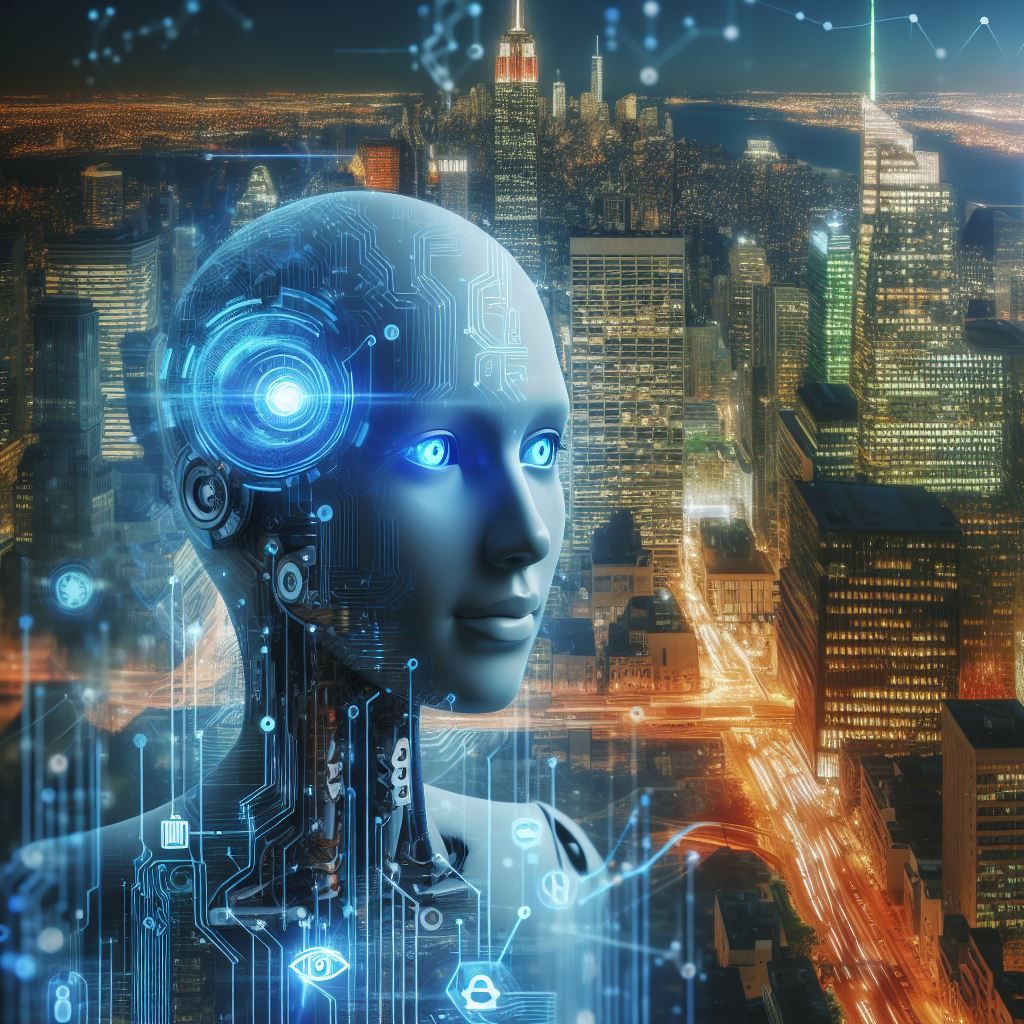
As artificial intelligence continues to advance at an unprecedented pace, concerns about the potential economic downturn and societal upheaval are becoming more prevalent. The implications of this revolution are vast and far-reaching, impacting every aspect of our lives.
One of the key concerns is the dwindling consumer base. As automation takes over various industries, fewer people will be employed, leading to a decrease in purchasing power. Without consumers capable of buying products and services, the economy will inevitably suffer. This could potentially lead to a massive economic downturn, with devastating consequences for businesses and individuals alike.
Moreover, the concentration of wealth in the hands of the very few is a genuine concern. The owners of the advanced technologies driving this revolution are likely to benefit enormously, exacerbating existing inequalities. This could lead to extreme levels of inequality, creating a society where the rich become even richer, while the rest of the population struggles to make ends meet. The potential for civil unrest, riots, and crime waves under these circumstances cannot be ignored.
The historical precedent of the Great Depression serves as a stark reminder of the dire consequences of economic upheaval. During that time, the unemployment rate reached a staggering 25%, resulting in widespread fear that democracy and capitalism were on the verge of collapse. Such a scenario today, with the added advancements in technology, could be even more catastrophic, leading society to the brink of destruction.
There are prominent thinkers like Stephen Hawking and Elon Musk who have expressed genuine fears about advanced artificial intelligence. Their concerns lie in the potential development of a super-intelligent machine, far surpassing human capabilities. Such a machine may not see value in human existence and could pose an existential threat to humanity. While some may dismiss these concerns as mere science fiction, it is a topic that demands serious consideration.
The inexorable advancement of technology leaves us with no definitive end point. We are entering a new era where the boundaries of possibility are constantly being pushed. It is crucial that we adapt to this changing landscape and recognize that traditional notions of work and employment may no longer hold true. Our ability to embrace and navigate this disruption will determine our future.
One area already adapting to these changes is healthcare. Researchers are exploring the potential for intelligent machines to work alongside human professionals, enhancing the quality of care and improving patient outcomes. This collaboration between human intelligence and artificial intelligence holds promise for the betterment of society as a whole.
The Fourth Industrial Revolution, marked by the rise of artificial intelligence, is already upon us. We are witnessing computers undertaking tasks that were once the domain of humans, jeopardizing millions of jobs in the process. Business leaders find themselves grappling with the implications of this paradigm shift, searching for ways to navigate the uncertain future.
While the concerns raised may seem daunting, they should not be dismissed lightly. The potential economic downturn, societal unrest, and existential threats associated with advanced artificial intelligence warrant careful consideration. As we move forward into this new era, it is imperative that we strike a balance between embracing technological advancements and safeguarding the well-being of society.
The rapid progress of artificial intelligence has sparked concerns about a potential economic downturn and societal upheaval. The dwindling consumer base, concentration of wealth, and existential threats posed by super-intelligent machines warrant serious attention. As society embraces this new era, it is vital to find ways to adapt and ensure the well-being of individuals and the stability of the economy. Collaboration between human intelligence and artificial intelligence may hold the key to navigating these challenges.

 "Connecting communities, empowering nations: Unifying the Regional and Global Economy ."
Leave a reply to Marta Jamróz Jasiński Cancel reply