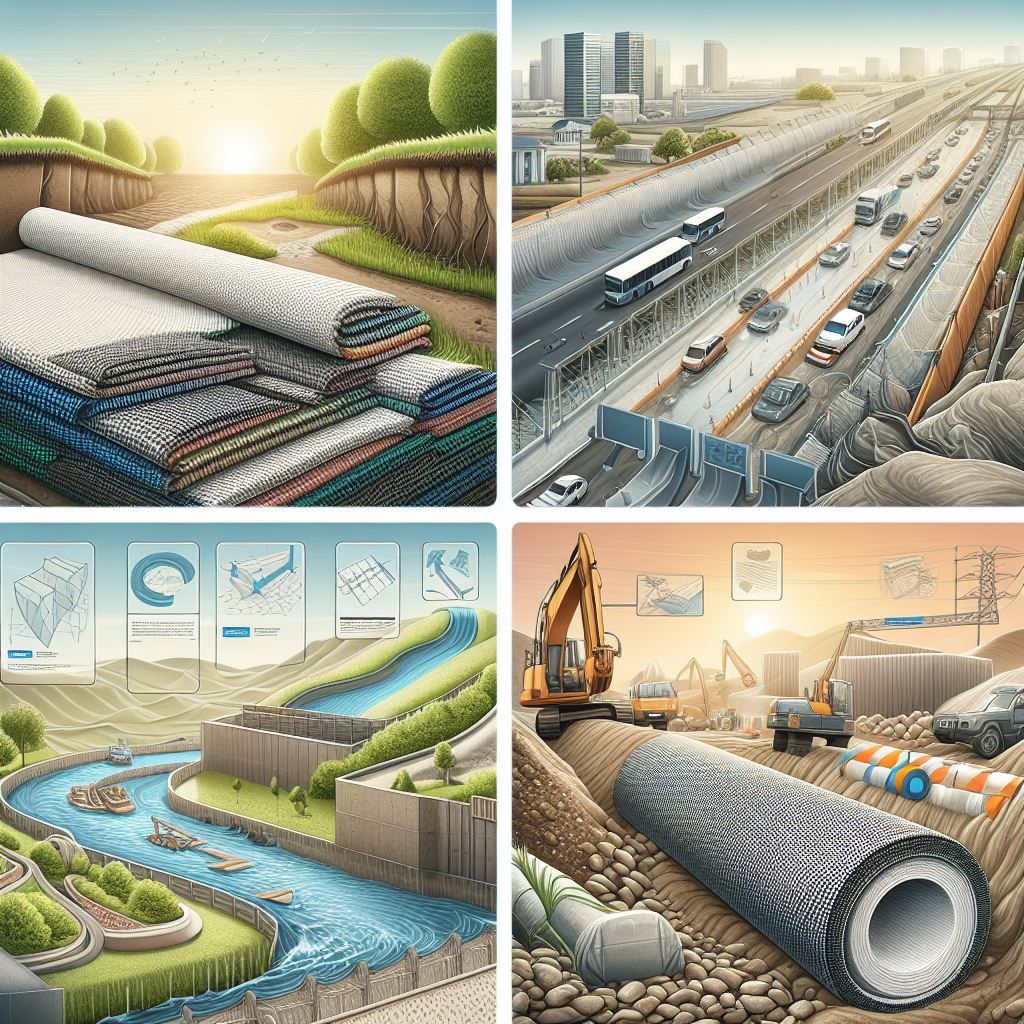
The topic of geotextiles holds immense importance in the field of civil engineering and textile. India, with its diverse climate, offers a rich landscape for exploring the potential of geotextiles in various applications.
Geotextiles, as the name suggests, are textiles specifically engineered to be used in geotechnical and civil engineering projects. These fabrics have gained significant prominence due to their ability to reinforce, separate, filter, protect, and drain various types of soils and materials. The advantages of geotextiles have been recognized globally, and the adoption of this technology in the field of civil engineering has been increasing steadily.
The use of geotextiles in civil engineering projects can bring about several benefits. One of the key advantages is the protection and stabilization of soil. Geotextiles can effectively prevent soil erosion, improve soil strength, and enhance stability in various construction projects such as roads, embankments, and slopes. By acting as a filter, geotextiles can facilitate proper drainage and prevent clogging, ensuring the longevity of infrastructure.
Moreover, geotextiles have proven to be environmentally friendly alternatives in construction practices. They reduce the requirement for traditional and often non-renewable resources such as stone, gravel, and sand. This not only conserves natural resources but also minimizes the carbon footprint associated with their extraction and transportation.
In addition to their mechanical properties, geotextiles also possess essential chemical characteristics. These textiles can act as barriers, preventing the migration of contaminants in landfills, wastewater treatment facilities, and other hazardous locations. The ability of geotextiles to contain pollutants ensures the preservation of groundwater quality and reduces the risk of environmental contamination.
The following lines discusses the potential of geotextiles to address the challenges faced by the civil engineering industry. One such concern is the need for sustainable construction practices. Geotextiles align perfectly with the principles of sustainability by reducing the consumption of non-renewable resources, improving efficiency, and enhancing the durability of infrastructure. The session will explore how geotextiles can be integrated into sustainable construction plans and contribute to the development of eco-friendly solutions.
The adoption of geotextiles also presents a massive opportunity for economic growth. The National Textile Mission in India has put forward initiatives to encourage geotextile production and usage. This mission aims to engage 1,500 people in skill development related to geotextiles. The government hopes to ensure that the industry and individuals have ample time to take advantage of this opportunity. The collaboration between industry, government bodies, and policymakers will play a crucial role in the successful implementation of geotextiles in civil engineering projects.
Furthermore, the technological advancements in the field of geotextiles have been remarkable. The cutting-edge technology adopted globally has paved the way for innovative solutions and improved performance. The incorporation of these advanced techniques will help revolutionize the application of geotextiles in diverse civil engineering projects.
The geotextiles promises to be an enlightening and informative platform for all participants. The versatile adaptability of geotextiles in civil engineering, coupled with the potential opportunities and mitigation plans for challenges, will form the focal point of discussions during the two-day event. The participation and engagement of industry professionals, government bodies, and policymakers will be paramount in driving the integration of geotextiles into sustainable construction practices. As we move towards a greener and more sustainable future, geotextiles have the potential to reshape the civil engineering landscape and contribute to building a resilient and eco-friendly world.
 "Connecting communities, empowering nations: Unifying the Regional and Global Economy ."
Leave a comment