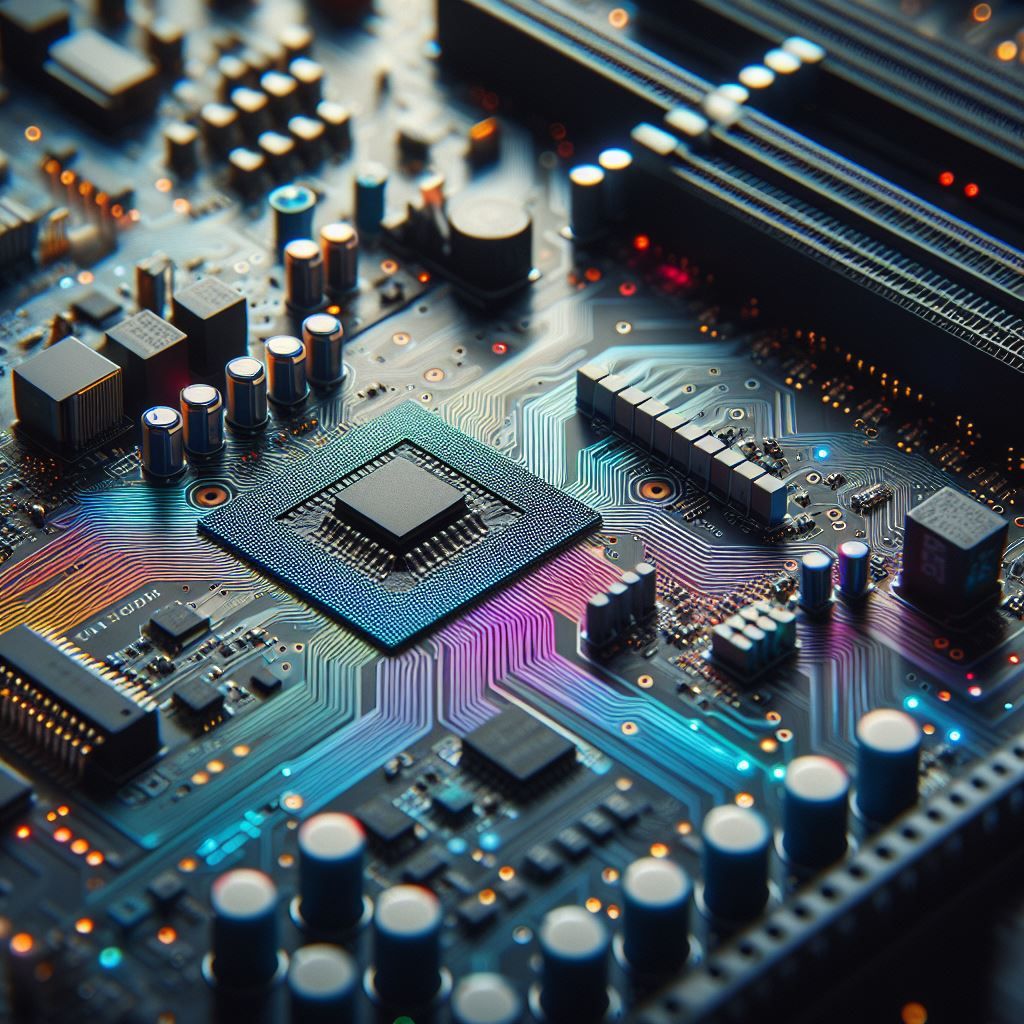
Introduction:
For the past few years, the global chip shortage has wrought havoc on industries worldwide, limiting the production and availability of electronic devices and other chip-dependent products. However, recent reports indicate a gradual easing of this crisis, signaling a potential breakthrough that could benefit consumers, businesses, and the global economy as a whole. While uncertainties remain and caution should be exercised, the positive ripple effects of this development are expected to be substantial, leading to increased accessibility, lower prices, and a boost in innovation.
Improved Availability and Accessibility:
One of the most significant advantages of the easing global chip shortage is the improved availability of electronic devices and other products dependent on chips. Consumers and businesses have faced numerous challenges in acquiring products such as smartphones, laptops, and gaming consoles, driven by supply chain disruptions. However, with a more balanced supply and demand, the accessibility of these products is poised to increase, allowing people to meet their needs and desires more easily.
Lower Prices:
Another potential outcome from the easing chip shortage is a decrease in prices. The scarcity of chips has driven up production costs and forced manufacturers to reduce discounts and promotions. As supply constraints ease, manufacturers may experience relief from the inflated costs, enabling them to cut prices. This, in turn, will benefit consumers, who will have a broader range of affordable options, making technology more accessible to a larger portion of the population.
Uncertainties Remain:
While the gradual easing of the global chip shortage brings hope, it’s essential to remain cautious due to existing uncertainties. The situation may still evolve, and it is crucial to avoid overly optimistic predictions. Some factors that contribute to the uncertainty include the pace at which the industry can increase chip production, the potential resurgence of new demand, and the influence of geopolitical issues that can disrupt the supply chain. Monitoring these variables and being prepared for potential setbacks are essential for effectively managing expectations.
Long-Term Implications:
The alleviation of the chip shortage holds long-term implications that extend far beyond immediate relief. Firstly, an increased chip supply is expected to lead to a surge in production for various industries reliant on these components. Electronic manufacturers, automakers, and even technological startups can scale up their operations, meet customer demand, and launch new products that have been stagnant due to the scarcity of chips. This upsurge in production will, in turn, create job opportunities and strengthen the global economy.
Furthermore, innovation and the development of new technologies have often been hampered by the chip shortage. The inability to acquire essential components has slowed down research and development initiatives, delaying the launch of groundbreaking products that could revolutionize various sectors. With the easing chip shortage, the technology landscape can experience a renaissance, allowing for disruptive innovation, advancements in artificial intelligence, and the democratization of emerging technologies.
The gradual easing of the global chip shortage offers a beacon of hope for consumers, businesses, and the global economy. The potential benefits, including improved availability, lower prices, increased production, and a surge in innovation, will have far-reaching positive impacts. However, it is crucial to stay informed, remain cautious, and manage expectations, as uncertainties persist, and disruptions in the supply chain may still occur. Nevertheless, this transformative development presents a promising shift that will mark a turning point for the technology industry and pave the way for a more accessible and innovative future.
 "Connecting communities, empowering nations: Unifying the Regional and Global Economy ."
Leave a comment