Introduction:
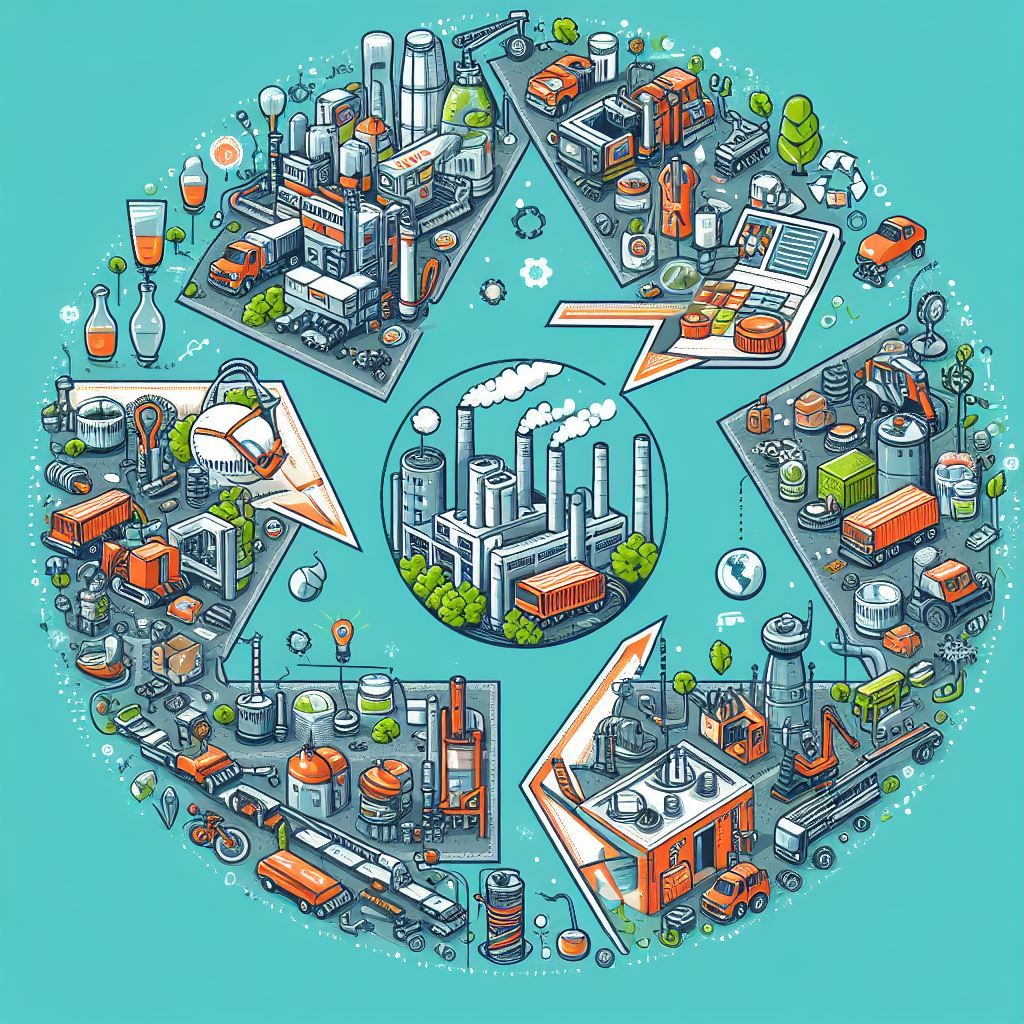
In today’s world, the global community is faced with numerous challenges, including the inefficiencies in energy, water, and material consumption. These inefficiencies result from our manufacturing and consumption practices, leading to wastage and environmental degradation. However, there is a growing realization that these challenges can be transformed into opportunities by adopting circular economy principles. The concept of a circular economy focuses on reducing waste, recycling materials, and reusing resources, creating a sustainable and regenerative system. The following lines explores the potential of circular economy practices
Redefining Business Practices:
To demonstrate the effectiveness of circular economy principles, businesses in India are taking proactive measures. One such company, aiming to create a comprehensive circular system, emphasizes the reduction, recycling, reuse, repurposing, and circulation of materials. By adopting these strategies, the company has successfully eliminated the landfilling of pre-consumer waste, ensuring 100% principality. Moreover, 99.2% of the waste generated is recycled or reused, emphasizing the promising business case of circular practices.
For instance, packaging plays a crucial role in minimizing waste. By investing in efficient packaging design, the company has reduced packaging weight per product from 180 grams to a mere 71 grams. This reduction is a result of careful planning and innovative approaches, enabling e-commerce operations to deliver products with just 50 grams of packaging. This success demonstrates the importance of packaging design and collection systems for achieving sustainability goals.
Government Support and Industry Collaboration:
Recognizing the significance of circular economy practices, the Indian government has taken steps to promote sustainability. The government has proposed initiatives to remove plastic carry bags from stores, demonstrating the commitment to environmental preservation. Additionally, the Ministry of Textiles is playing a crucial role by providing incentives, guidance, and policy support to textile industry stakeholders. This collaborative effort between the government, industry, and stakeholders aligns with global sustainability goals and showcases India’s dedication to creating a circular economy.
Business Realization and Standardization:
To foster the widespread adoption of circular economy practices in India, businesses must embrace sustainable approaches and establish standardized procedures. By creating policy documents, setting standards, and offering incentives, businesses can further motivate industry players to adopt circular practices. Expert guidance from reputable organizations, such as SGS, can provide the necessary knowledge and assistance required for businesses to implement sustainable measures successfully. The Ministry of Textiles is also praised for its commitment to sustainability, as evidenced by its active involvement in events , where sustainability takes center stage.
Challenges and Social Responsibility:
Although progress has been made in embracing circular economy practices, some challenges persist. One major obstacle is the perception that sustainable products come with a higher price tag. Consumers are often reluctant to pay a premium for sustainability, hindering the widespread adoption of circular practices. To overcome this hurdle, businesses, policymakers, and stakeholders must collaborate to design affordable, sustainable solutions. Recognizing the importance of social responsibility, circular economy initiatives should also focus on providing sustainable livelihoods and uplifting societal well-being.
The Role of Consumer Awareness:
Consumer awareness plays a pivotal role in driving the transition towards a circular economy. Institutions have an opportunity to educate consumers about the benefits of sustainable products and the role they play in preserving the environment. By promoting the three pillars of circularity – collection, sorting, and recycling/repurposing – consumers can actively participate in the movement towards a circular economy. Increased consumer acceptance and demand will ultimately motivate businesses to adopt circular practices on a larger scale.
Despite claims of India’s commitment to sustainability and businesses embracing circularity initiatives, the journey towards a circular economy is riddled with challenges. While companies in India may claim to be reducing waste, recycling materials, and reusing resources, the actual progress made towards a circular economy is questionable. It is crucial to question the effectiveness of government support, industry collaboration, and consumer awareness in facilitating this transformation. India’s aspirations to become a global leader in sustainability must be met with skepticism, as the path to a circular economy is long and demanding, requiring consistent and unwavering efforts from all stakeholders. Without a truly collective commitment and genuine action, India’s ambitions for a resilient and regenerative future remain nothing more than empty rhetoric.
 "Connecting communities, empowering nations: Unifying the Regional and Global Economy ."
Leave a comment