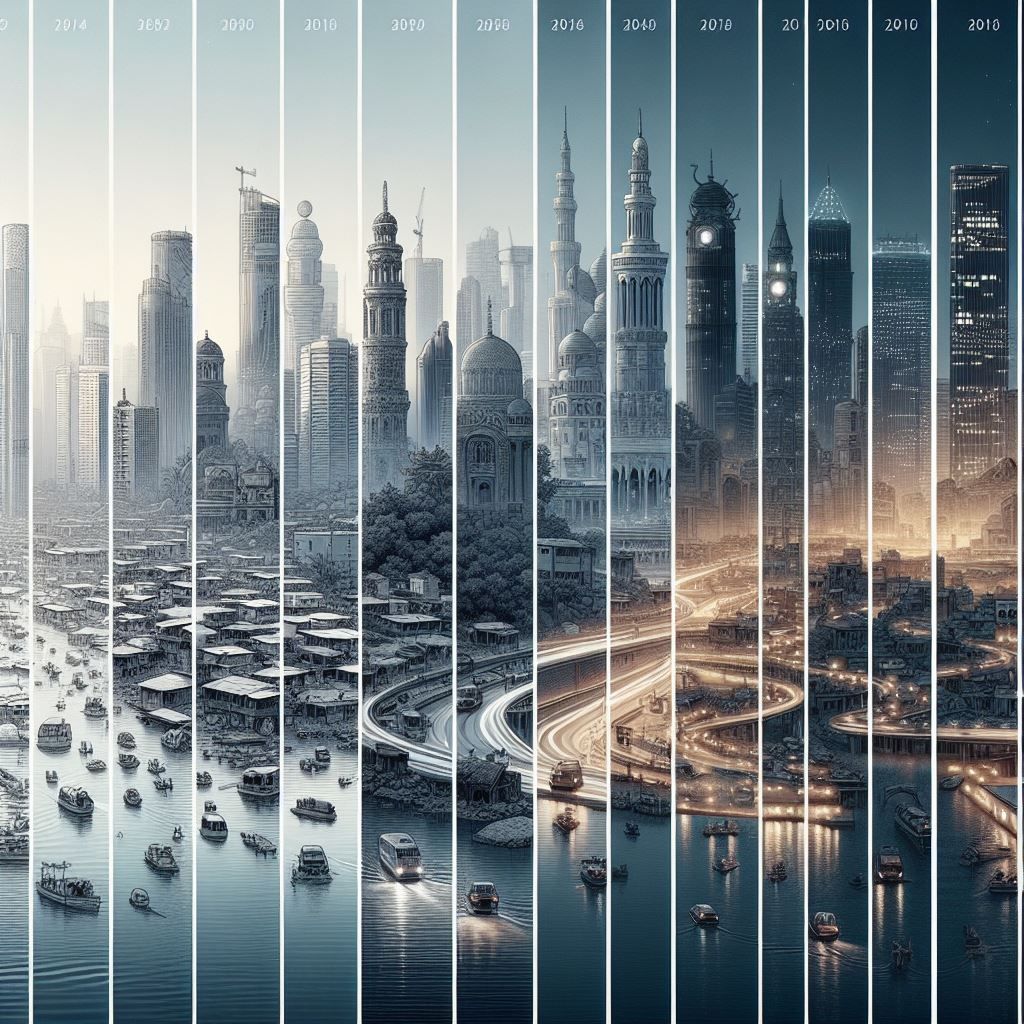
Introduction
The Middle East, long synonymous with oil wealth, is now on the path to breaking free from its dependence on the black gold. Recognizing the risks associated with an oil-reliant economy, governments in the region are boldly steering their nations towards a diversified future. This following lines delves into the innovative strategies being adopted by Middle Eastern countries, the challenges they face, and the potential outcomes of their diversification efforts.
The Need for Diversification
The Middle East has traditionally been vulnerable to the fickleness of oil markets, which can lead to economic instability. The unpredictability of oil prices, coupled with depleting reserves, makes diversification a pressing concern. Additionally, evolving demographics and geopolitical tensions further exacerbate the urgency to diversify. The global shift towards renewable energy sources could potentially create a long-term threat to oil demand, necessitating proactive measures.
Strategies for Diversification
To break free from oil dependence, Middle Eastern countries are actively embracing a range of strategies. Developing non-oil sectors, such as tourism, healthcare, technology, manufacturing, and agriculture, is seen as crucial for sustainable growth. Investing in robust infrastructure, both physical and digital, is vital for attracting foreign direct investment (FDI) and stimulating economic diversification. Empowering the private sector to flourish and investing in human capital through education and training are also important considerations.
Exemplary Diversification Efforts
The following highlights the notable efforts of specific Middle Eastern countries leading the diversification charge. Saudi Arabia’s Vision 2030, an ambitious plan aimed at developing new industries and promoting tourism, is a driving change. The United Arab Emirates has focused on becoming a global tourist destination while investing significantly in technology and innovation. Qatar’s effective utilization of its natural gas resources has catapulted it into a major player in the global LNG market, facilitating economic diversification.
Challenges and Considerations
Despite the tremendous potential, diversification is an intricate and long-term endeavor fraught with challenges. Bureaucracy, corruption, and a lack of transparency can impede progress. Geopolitical instability and regional conflicts pose significant risks. Moreover, social and cultural factors need to be carefully navigated to implement successful diversification strategies.
Middle Eastern countries recognize the imperative to diversify their economies, and though challenges persist, the potential rewards are immense. By aspiring towards long-term stability and prosperity beyond oil dependence, these nations are building a more resilient and dynamic future. It is a future where renewable energy, technological advancements, and vibrant industries harmoniously coexist, driving sustainable economic growth and ensuring the well-being of their citizens.
 "Connecting communities, empowering nations: Unifying the Regional and Global Economy ."
Leave a comment