Introduction:
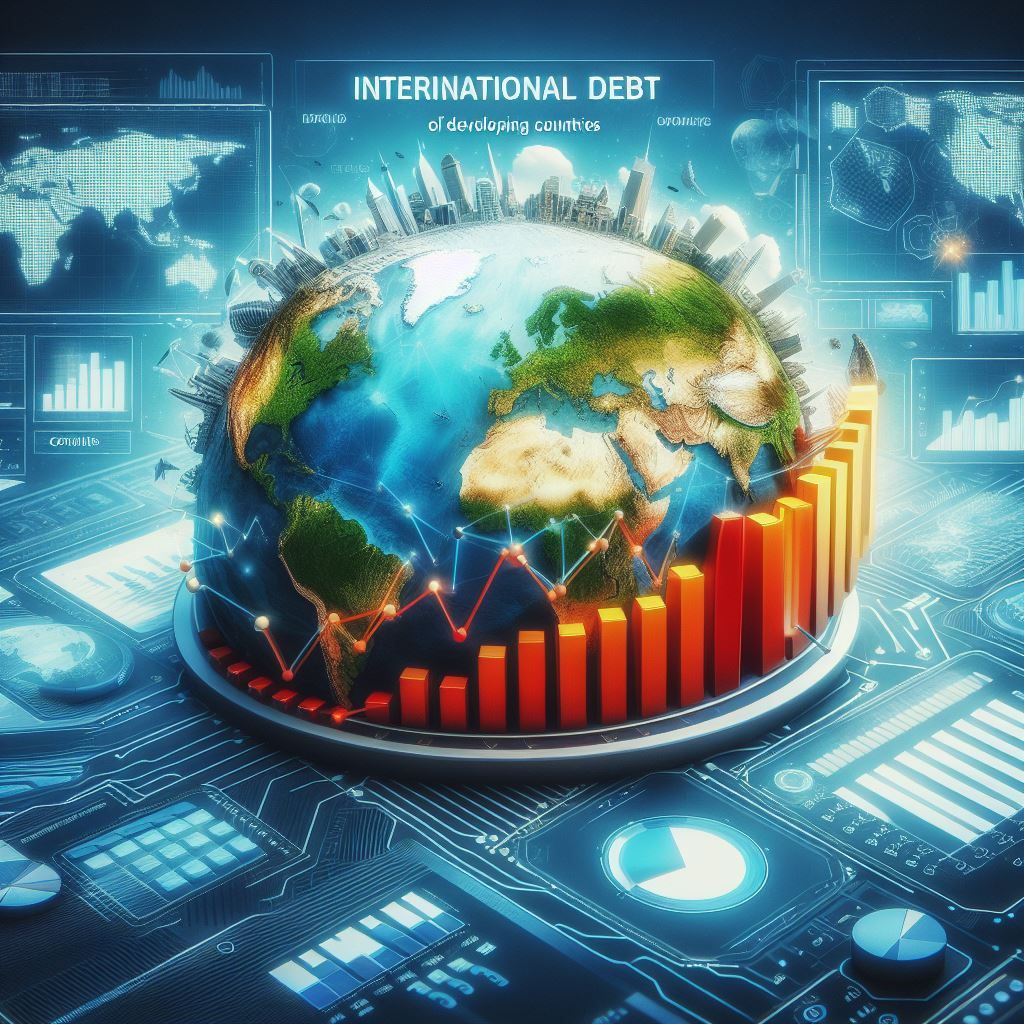
The COVID-19 pandemic has plunged low-income countries into deep economic turmoil, exacerbating their pre-existing debt burdens and limiting their ability to invest in crucial areas such as healthcare and education. In response, the International Monetary Fund (IMF) introduced the Debt Service Suspension Initiative (DSSI) in 2020, allowing eligible nations to temporarily suspend debt payments to official creditors.
Why?
1. Continued Financial Strain:
Despite the $12 billion relief offered through the DSSI to 46 countries, many low-income nations still grapple with overwhelming debt burdens and limited fiscal space. Extending the initiative would provide these countries with the much-needed breathing room necessary for economic stabilization and investments in critical sectors such as health and education. By freeing up resources, low-income countries can redirect their limited funds towards mitigating the effects of the pandemic and promoting sustainable development.
2. Reduced Vulnerability:
Advocates argue that extending the debt suspension initiative would enhance the resilience of low-income countries against future shocks, such as climate change or unforeseen global economic downturns. By providing them with increased capacity to manage external shocks, these countries can work towards achieving long-term financial stability and sustainable development. Debt relief becomes a key enabler in building robust economies capable of weathering uncertainties.
3. Moral Imperative:
There exists an ethical obligation for wealthier nations to support developing countries facing overwhelming debt burdens, particularly during times of unprecedented global crises. Extending the DSSI can be seen as a necessary step towards achieving greater global economic equity and promoting sustainable development. By sharing the burden of debt relief, wealthier nations demonstrate solidarity with vulnerable countries, fostering a more equitable global financial system.
Concerns and Counter-Arguments:
1. Moral Hazard:
Critics warn that a prolonged debt suspension initiative could create a moral hazard, encouraging excessive borrowing and hindering responsible fiscal management in beneficiary countries. To address this concern, there is a need for stricter conditions and stronger accountability mechanisms. By ensuring that the freed-up resources are utilized effectively for productive investments, the potential negative consequences of moral hazard can be mitigated.
2. Creditor Fatigue:
Some G20 nations may hesitate to extend the DSSI due to concerns about their own fiscal situations and potential strain on creditor institutions. Balancing international solidarity with domestic financial constraints remains a significant challenge. To address this issue, there should be an open dialogue between creditor and debtor nations to find mutually beneficial solutions that prioritize both debt relief and responsible fiscal management.
3. Limited Impact:
Despite the $12 billion already provided through the DSSI, skeptics argue that this amount is relatively small compared to the overall debt burden of low-income countries. They propose exploring alternative solutions, such as debt restructuring or grants, to achieve more substantial and long-term debt relief. While debt suspension provides immediate relief, it is essential to develop comprehensive strategies that address the root causes of debt accumulation and promote sustainable economic growth in the long run.
Moving Forward:
The debate surrounding the extension of the DSSI underscores the complexities of balancing international debt relief, responsible fiscal management, and creditor concerns. To find a sustainable and equitable path forward, a nuanced approach is necessary. This approach should consider the specific needs of each eligible country, incorporating stricter accountability measures to ensure effective resource utilization. Moreover, exploring alternative solutions such as debt restructuring and grants can complement the extension of the DSSI to provide more substantial and targeted debt relief.
Open communication and collaboration between the IMF, G20 nations, and beneficiary countries are critical for developing a comprehensive framework that meets the immediate debt relief needs of low-income countries while promoting long-term financial stability and sustainable development. By addressing the concerns of various stakeholders, it becomes possible to navigate the intricate landscape of global debt relief and forge a path towards a more equitable and resilient world.
 "Connecting communities, empowering nations: Unifying the Regional and Global Economy ."
Leave a comment