Introduction
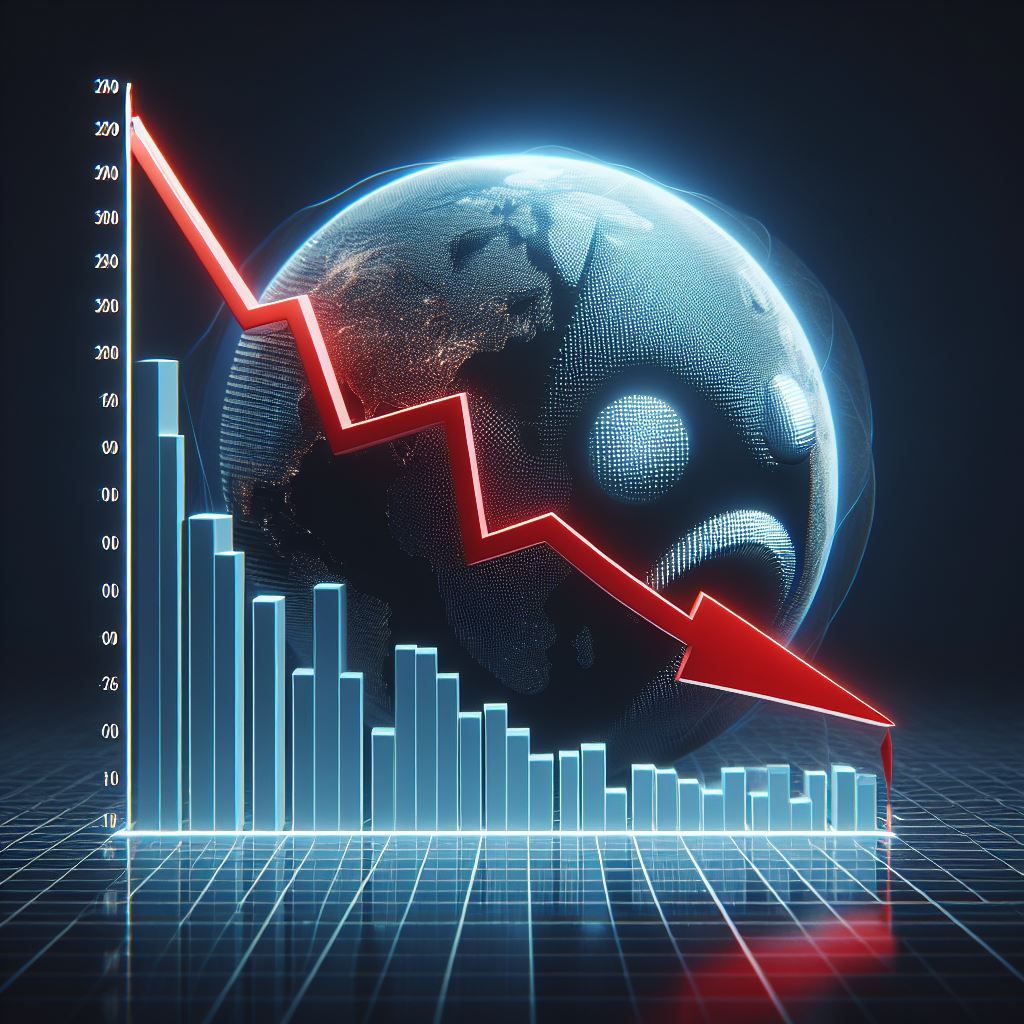
The recent warning from the International Monetary Fund (IMF) about a decelerating global economy has sparked concerns and raised important questions about the future of the world’s economic landscape.
Factors Fueling the Slowdown
One of the fundamental factors contributing to the slowing global growth is inflation. The rising prices of goods and services are eroding consumer purchasing power, which, in turn, dampens economic activity. Central banks worldwide face the challenge of controlling inflation to ensure economic stability and sustained growth.
To combat inflation, central banks are tightening their monetary policies by raising interest rates. While necessary for inflation control, this approach restricts economic growth in the short term. The balance between combating inflation and ensuring strong economic growth proves to be a challenging trade-off.
Geopolitical tensions, such as the ongoing war in Ukraine, further exacerbate the issue. These tensions disrupt supply chains, impact energy markets, and contribute to food insecurity, which has ripple effects throughout the global economy. Additionally, heightened tensions between major powers escalate uncertainties and hinder global cooperation, impeding efforts to address the economic challenges effectively.
Impact on Major Economies
The implications of the slowing global growth are evident in major economies:
1. United States: Reduced household spending and the implementation of tighter monetary policy is expected to slow US growth to 2.3% in 2023 and a mere 1% in 2024. This decline in growth could have substantial implications not only for the US but also for the global economy, given its status as a major economic powerhouse.
2. China: Weaker consumption and investment are causing a slowdown in China’s economic growth. Projections indicate a deceleration to 5.2% in 2023 and 4.5% in 2024. Given China’s economic significance and its interconnectedness with various global supply chains, such a downturn could have significant ramifications for global economic stability.
3. Eurozone: The Eurozone faces its own set of challenges, including high energy prices and tight monetary policy. As a result, growth is expected to remain limited, projected at only 0.7% in 2023, with a modest rebound in 2024. These circumstances hinder the recovery of the European economy and put additional strain on the global economic ecosystem.
Potential Consequences
The consequences of slowing global growth are multifaceted and far-reaching. They include:
1. Reduced Trade and Investment: As economies slow down, trade and investment activities tend to decrease, creating a negative feedback loop. This decline in international economic cooperation can further exacerbate economic challenges, hindering recovery efforts.
2. Job Losses and Unemployment: Weaker economic activity in various sectors increases the likelihood of businesses resorting to layoffs. Consequently, job losses increase, leading to higher unemployment rates, which, in turn, can spur social unrest and further exacerbate economic inequalities.
3. Debt Sustainability Issues: Rising interest rates make it increasingly difficult for countries with high levels of debt to manage their finances. This situation raises concerns about the sustainability of debt and the potential risk of defaults, further destabilizing the global economy.
Looking Ahead
While the present outlook may seem somber, several reasons exist for cautious optimism. Central banks are adapting their policies to strike a delicate balance between controlling inflation and stimulating economic growth. Their efforts to calibrate monetary policies carefully can help mitigate the negative impact of the current slowdown.
Additionally, diplomatic initiatives to resolve geopolitical tensions might alleviate some uncertainties. Enhanced cooperation among global powers can result in more stable trade environments, more predictable markets, and a better outlook for economic growth.
Key Questions to Consider
As we navigate these challenges, it is important to reflect on crucial questions:
1. How effective will central banks be in managing the trade-off between inflation control and economic growth? Striking the right balance is essential to avoid exacerbating the slowdown further.
2. What will be the long-term economic implications of ongoing geopolitical tensions? Understanding the potential consequences can help policymakers make informed decisions and develop effective strategies to mitigate risks.
3. How can governments and international institutions facilitate a more inclusive and sustainable global recovery? Collaboration and coordinated efforts are essential to foster long-term economic stability and ensure that recovery efforts are equitable and sustainable.
As we explore the causes, implications, and potential consequences of slowing global growth, it becomes evident that this issue demands critical attention. By remaining informed and engaged in constructive dialogue, we can actively contribute to shaping a more resilient, inclusive, and prosperous global economy. It is essential to consult diverse sources and perspectives to gain a comprehensive understanding of this complex issue and to jointly forge a path towards sustainable economic growth.
 "Connecting communities, empowering nations: Unifying the Regional and Global Economy ."
Leave a comment