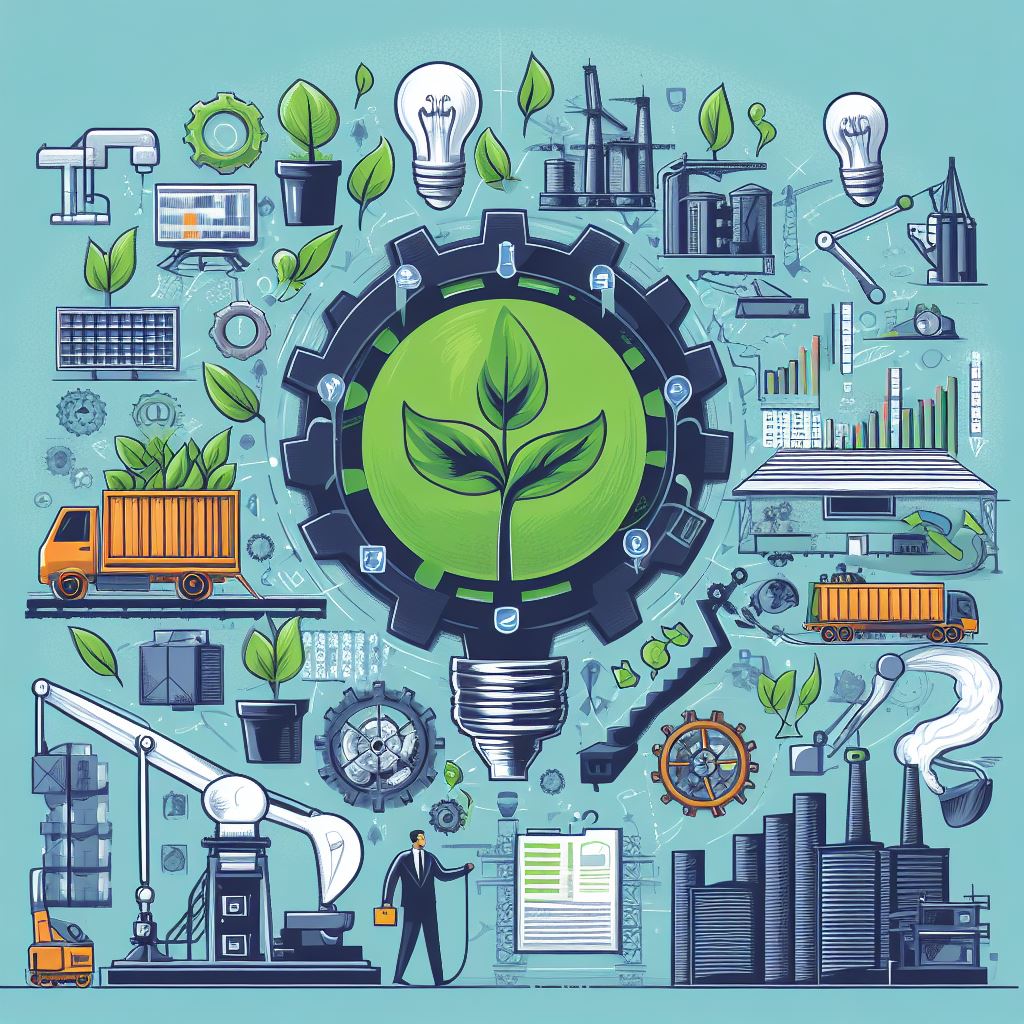
Supply chain management is an integral part of any business, ensuring the smooth flow of goods and services from the production stage to the final delivery to the customer. In recent years, there have been significant changes and advancements in supply chain practices, particularly in terms of sustainability and corporate responsibility.
In India, there has been a remarkable shift in the approach towards supply chain management. Organizations are now taking their own initiatives and setting their own benchmarks to promote responsible sourcing and sustainable practices. This shift is not only driven by policy changes but also by the recognition that money is not the only measure of success. Responsible sourcing and sustainability have become key focus areas for businesses, and they are actively working towards building a sustainable ecosystem.
One of the positive developments in India’s supply chain management is the emphasis on collaboration and technology access. Organizations are increasingly collaborating with various stakeholders to create a multiplier effect and leverage the best practices in climate-smart and sustainable agricultural solutions. This collaboration enables organizations to access cutting-edge technology and customize inputs to meet the specific needs of the supply chain.
However, there are some challenges that need to be addressed to further enhance the momentum of responsible sourcing in India. One such challenge is climate change, which is expected to have a significant impact on the supply chain. To overcome this challenge, a cluster-based plan that focuses on the development of climate-resilient agricultural practices is crucial. Public-private partnerships can play a vital role in addressing this challenge by providing necessary resources and expertise.
Another challenge is the fluctuation in prices of agricultural produce, which can affect responsible production. The government can play a pivotal role in mitigating this risk by providing support and stability in the face of market fluctuations. Additionally, access to credit and capital for farmers and organizations switching to sustainable production methods is essential. Providing credit facilities and financial assistance can help bridge the gap and enable the transition towards responsible sourcing.
Furthermore, to promote responsible sourcing and meet export quality standards, market mechanisms and incentives need to be explored. The government and policymakers should formulate policies that encourage and support the sourcing of high-quality and sustainable materials for export purposes. This will not only enhance the reputation of Indian produce in international markets but also create opportunities for growth and development.
Additionally, it is crucial for businesses to incorporate responsible sourcing practices into their overall strategy. By integrating sustainability into their supply chain management, organizations can contribute to the larger goal of creating a more sustainable and responsible business environment. This includes considering the environmental impact of their operations, promoting ethical sourcing practices, and addressing social and labor issues within the supply chain.
In conclusion, the supply chain in India is evolving, with a growing focus on responsible sourcing and sustainable practices. Organizations, along with the support of the government and policy changes, are taking significant steps towards building a sustainable ecosystem. Collaboration, access to technology, and the development of climate-resilient agricultural practices are key areas of focus. Overcoming challenges such as market fluctuations, access to credit, and meeting export quality standards will further strengthen responsible sourcing practices in India. By integrating sustainability into the supply chain, businesses can make a positive impact on the environment, society, and their own long-term success.
 "Connecting communities, empowering nations: Unifying the Regional and Global Economy ."
Leave a comment