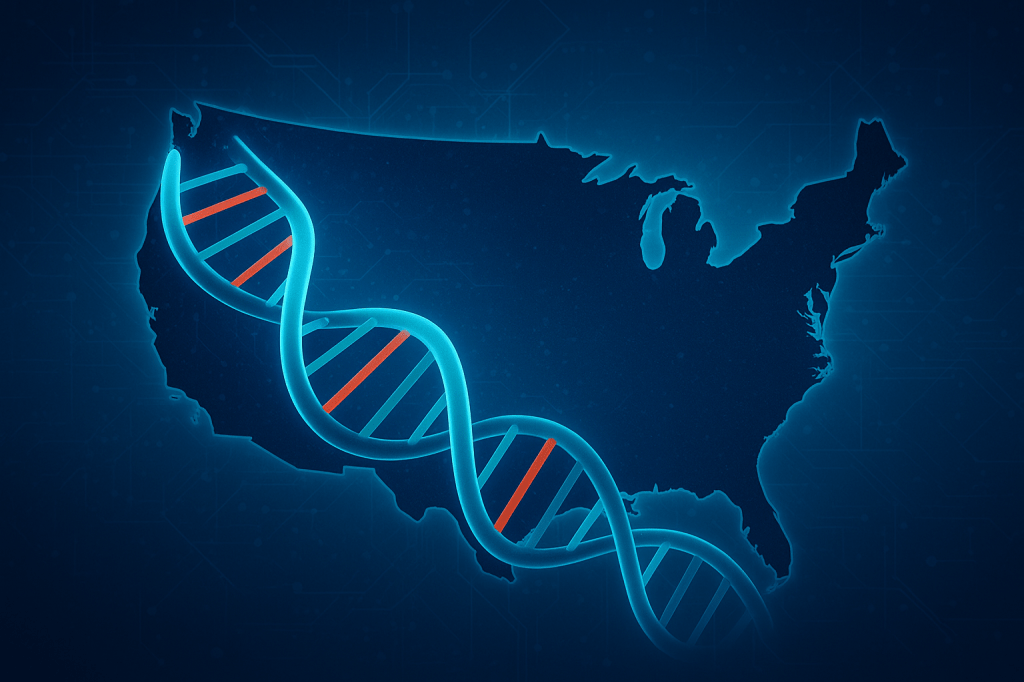
The New Geography of Medicine
The global pharmaceutical and biotechnology industries are entering a new phase of geographic realignment. Major companies such as Biogen, Merck, and Amgen have recently announced multi-billion-dollar investments to expand their U.S. manufacturing bases—particularly in biologics, gene therapies, and advanced therapeutics.
This trend, described by analysts as a shift toward “onshore plus global” supply models, reflects a structural rethinking of how life-saving drugs are made and distributed in an increasingly fragmented world economy.
The triggers are clear: tariff risks, supply chain vulnerability, and geopolitical tensions that have exposed the fragility of global health production networks. The COVID-19 pandemic and subsequent disruptions in global logistics served as a wake-up call—reminding governments and corporations alike that medical sovereignty is no longer optional.
Historical Perspective: From Globalization to Localization
In the 1990s and early 2000s, the pharmaceutical industry thrived on hyper-globalization. Manufacturing plants were relocated to low-cost hubs—China, India, Ireland, and Singapore—to leverage cheap labor, regulatory incentives, and export access.
This model optimized efficiency but introduced systemic dependencies. By the mid-2010s, nearly 80% of active pharmaceutical ingredients (APIs) used in U.S. drugs were sourced from abroad, primarily China and India.
The 2019–2024 period marked a turning point. The pandemic disrupted ingredient supplies, while the U.S.–China tariff war heightened the cost of cross-border production. Health security became an economic and political priority, prompting Washington to reimagine supply chains through industrial policies such as the CHIPS and Science Act and the Inflation Reduction Act (IRA)—both of which indirectly benefit pharma and biotech through domestic manufacturing incentives and R&D tax credits.
Strategic Re-shoring: The “Onshore-Plus” Model
The current strategy emerging among large drugmakers is not pure nationalism but a hybrid resilience model—keeping high-value production close to home while retaining global R&D and clinical trial networks.
This “onshore plus global” architecture ensures critical inputs remain secure while innovation continues to flow internationally.
Biogen’s $1 billion expansion in North Carolina, Amgen’s new biologics facility in Ohio, and Merck’s advanced vaccine plant in Pennsylvania signal a coordinated move toward biomanufacturing clusters within the U.S. heartland. These facilities are not merely factories—they are digital and biotechnological ecosystems, embedding AI-based quality control, robotic material handling, and continuous manufacturing systems.
Economic and Strategic Logic
1. Tariff Buffering and Cost Predictability
With rising trade tensions and potential 25–50% tariffs on imported medical components, onshoring acts as a protective hedge. Domestic production stabilizes input costs and avoids future policy shocks.
2. Supply Chain Resilience
Biopharma’s dependence on limited global API sources had made it vulnerable to single-country disruptions. Localizing production reduces exposure to external shocks—natural disasters, export bans, or sanctions.
3. National Security and Health Diplomacy
The U.S. government increasingly views pharmaceuticals as part of strategic infrastructure, akin to semiconductors and energy. Local manufacturing ensures faster emergency response and strengthens geopolitical leverage in vaccine diplomacy.
4. Technological Transformation
Modern biologics and gene therapies require precision, customization, and cold-chain reliability, making automation-intensive domestic plants economically competitive despite higher wages.
The Biotech Future: Toward a Distributed Global Health Economy
The long-term trajectory suggests a bifurcated global pharmaceutical landscape:
High-value biologics and personalized medicine will gravitate toward advanced economies with regulatory sophistication, skilled labor, and capital access.
Generic and bulk drug manufacturing will remain concentrated in emerging economies, particularly India, which continues to supply over 20% of the world’s generic medicines.
However, the global re-shoring wave could fragment markets if not coordinated through mutual recognition of standards, API sharing frameworks, and regulatory interoperability. Otherwise, the risk is a two-tier medical system—where innovation remains Western while affordability remains offshore.
A Futuristic Outlook: The Age of Bio-Sovereignty
By 2035, the contours of pharmaceutical globalization may resemble the dual ecosystems of energy or semiconductors—where strategic autonomy and collaborative innovation coexist uneasily.
Expect to see:
Regional biomanufacturing corridors (North America, EU, ASEAN) built around common standards and shared capacity reserves.
AI-driven drug design reducing time-to-market, making smaller, localized plants viable.
Bio-sovereignty frameworks—treaties ensuring nations can access essential medicines without full dependency.
Green biomanufacturing integrating sustainability goals into the pharmaceutical production chain.
This transformation will redefine not just how drugs are made—but who controls the future of life sciences.
Balancing Innovation with Inclusion
While re-shoring secures national interests, it raises critical questions about equity and access. If Western nations internalize the high-end manufacturing of gene and cell therapies, global South patients may face higher prices and delayed access.
Hence, policy frameworks must promote shared innovation ecosystems, not isolated silos.
The challenge ahead lies in balancing resilience with openness—ensuring that the drive for autonomy does not erode the collaborative spirit that once made medicine a truly global enterprise.
Pharma’s return to U.S. soil is more than a cost-based correction; it’s a geostrategic realignment of biology and industry. The lessons of globalization’s overreach and the vulnerabilities exposed by the pandemic are reshaping the DNA of pharmaceutical capitalism itself.
As the U.S. builds its next-generation biologics and gene-therapy hubs, the global community must ensure that the re-shoring revolution evolves into a bio-inclusive world, not a fragmented one.
#Biomanufacturing #Reshoring #PharmaceuticalIndustry #Biotech #GeneTherapy #SupplyChainResilience #OnshorePlusGlobal #BioSovereignty #HealthSecurity #IndustrialPolicy
 "Connecting communities, empowering nations: Unifying the Regional and Global Economy ."
Leave a comment