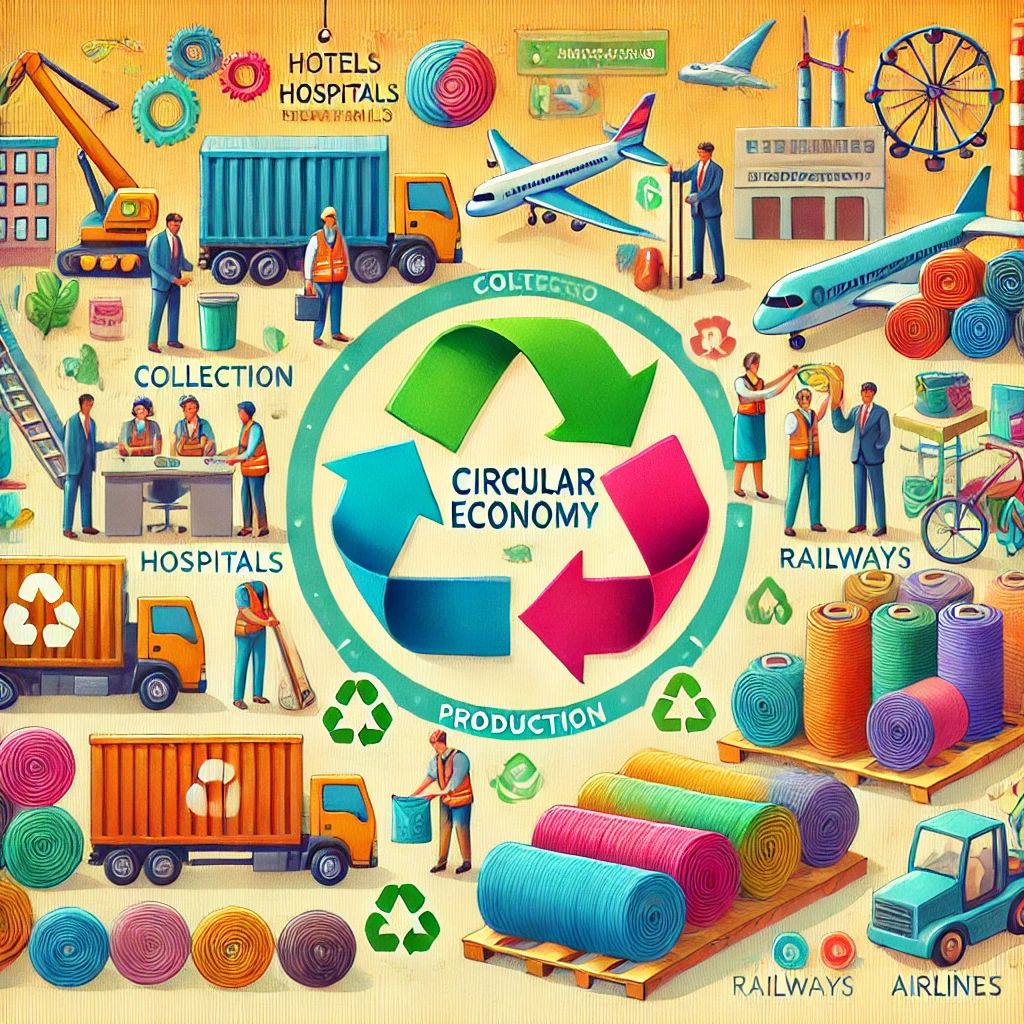
In today’s rapidly evolving world, the conversation around sustainability is no longer limited to environmental preservation but extends to creating dignified jobs and fostering inclusive growth. A prime example of this vision is the inspiring work done by the Dignified Jobs Accelerator Cohort, a collective effort aimed at transforming textile waste into valuable products while empowering communities with skill development and livelihood opportunities.
The Need for Scaling Impact
Having already secured grant funding from global philanthropic giants like the IKEA Foundation, H&M Foundation, and Alwaleed Philanthropies, the initiative is now preparing for its next big leap. The current ask is clear: raising $100,000 to scale operations over the coming year. But why this funding, and what will it achieve?
Strategic Expansion Goals
The roadmap for scaling is thoughtfully crafted:
1. Certifications for the Hotel Industry: Hotels are significant consumers of textiles. Establishing a robust certification system will not only provide an additional revenue stream but also institutionalize sustainable procurement in an industry known for frequent textile replacements.
2. Prototyping Yarn Making: The project is collaborating with multiple home textile brands to create new yarns from discarded textiles. This R&D initiative can potentially disrupt traditional manufacturing processes and lower the carbon footprint of textile production.
3. Industry Diversification: Beyond hotels, the vision is to expand into hospitals, railways, and airlines — sectors with substantial textile use and disposal rates. Each of these sectors offers a large, untapped market for recycled textile products while helping reduce institutional waste footprints.
The Financials: Ambitious Yet Grounded
In the first year alone, the project is eyeing a revenue of INR 1.2 crore (approximately $144,000), with a gross margin of 30%. The planned funding will help optimize production processes, expand product lines, and improve margins across categories like yarns and fabrics. This suggests a well-balanced approach — scaling with financial prudence and operational efficiency.
The Human and Environmental Story
A poignant moment from their recent pitch perfectly illustrates the mission: a young girl distributing pamphlets was herself wearing a towel crafted from textile discards. It’s not just a product; it’s a symbol of second chances — for both material and people. This initiative diverts large volumes of textile waste from institutions, giving it new life and purpose while offering dignified employment to marginalized communities.
Critical Perspective: Why This Matters Now
Globally, 92 million tonnes of textile waste are generated annually, and by 2030, this figure could balloon to 134 million tonnes. India, as a rapidly growing economy and manufacturing hub, is both a contributor and a potential leader in textile circularity. Furthermore, industries like hospitality, healthcare, and transportation — where fabric usage is constant — are under pressure to align with ESG (Environmental, Social, Governance) goals. Initiatives like this do not just address environmental waste; they embed social and economic impact into business models.
The Future Outlook
If successful, this program can set a benchmark for integrating circular economy principles into large institutional supply chains. The diversification plan across industries strengthens the resilience of the business model, reducing dependence on a single sector. The focus on certifications also indicates a strategic move toward standardization and scalability — crucial for long-term impact and credibility.
The effort to give textile waste a second spin is more than recycling — it is about rethinking value, creating livelihoods, and driving sustainable industry transformation. As this project prepares for its next phase, the support it seeks from stakeholders, funders, and industry partners will not only shape its success but also influence broader sustainable practices across multiple sectors.
It’s a call to action for everyone — brands, institutions, and individuals — to think beyond usage and disposal, and contribute to a cycle where waste becomes opportunity and employment gains dignity.
 "Connecting communities, empowering nations: Unifying the Regional and Global Economy ."
Leave a comment