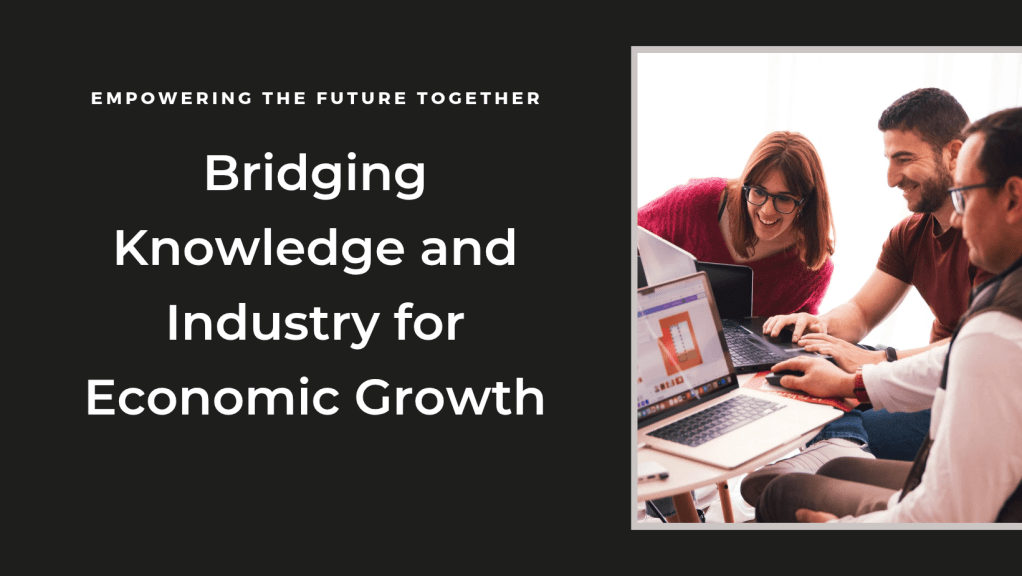
In an era where knowledge is a critical driver of economic success, fostering a workforce that is both skilled and adaptable is paramount. The intersection of learning, industry integration, and economic contribution is where real progress happens. Programs aimed at strengthening skill sets, adding value to economic activities, and socializing knowledge play a crucial role in ensuring sustainable development.
The Power of Structured Learning and Industry Integration
Programs that aim to equip individuals with industry-ready skills within a short period—such as 21-day industry integration initiatives—are game-changers. These initiatives focus on:
Skill Enhancement: Providing specialized training that aligns with industry requirements.
Value Addition: Empowering individuals to contribute meaningfully to the economy.
Rapid Deployment: Ensuring individuals transition into industry roles efficiently.
Case Study: Strengthening Knowledge Networks
Working with over 500 industry fractions has demonstrated that frustration with knowledge gaps often leads to stagnation. However, when individuals are equipped with the right tools, they can translate their potential into real economic value. The key factors contributing to success in such programs include:
A Structured Management System: Ensuring consistency and measurable outcomes.
A Strong Organizational Culture: Creating an environment that values continuous learning.
Efficient Workforce Engagement: Aligning training with economic opportunities.
Manufacturing and Industry Collaboration: A Path to Growth
The manufacturing sector remains a cornerstone of economic development. Companies investing in robust performance plans and integrating workforce training programs have seen substantial growth. In the last 30 days alone, industries that emphasized structured workforce development have reported:
Increased productivity by up to 15%.
Faster adaptation of new employees, reducing onboarding times by 30%.
Enhanced retention rates due to proactive engagement strategies.
Knowledge Transfer and Economic Development
A learning mindset is the backbone of an adaptive economy. Companies that embrace continuous learning and cross-sector collaboration benefit from:
Higher Innovation Rates: Encouraging knowledge exchange fosters new solutions.
Increased Market Competitiveness: A well-trained workforce enhances overall business performance.
Greater Economic Stability: A skilled workforce contributes to sustained economic growth.
Collaboration Between Industry and Academia
One of the most effective ways to create large-scale impact is through collaboration between industry and educational institutions. By designing programs that integrate real-world applications into learning curriculums, both sectors can benefit. Some successful models include:
University-Industry Partnerships: Programs where students work on industry-led projects.
Apprenticeship and Internship Models: Hands-on experience that transitions students into full-time roles.
Specialized Training Modules: Courses designed by industry experts to address skill gaps.
The Role of Retailers and Continuous Learning
Retailers play a crucial role in economic ecosystems, with regular exposure to market trends and consumer behaviors. However, the knowledge they acquire often remains underutilized due to a lack of structured learning pathways. By integrating continuous training programs, retailers can:
Enhance service quality and customer engagement.
Stay competitive in an evolving marketplace.
Contribute to the overall economic value chain.
Empowering individuals through knowledge, industry collaboration, and skill development is key to economic resilience. A structured approach to workforce training, complemented by strong industry partnerships, can create significant economic value. Whether in manufacturing, retail, or academia, fostering a culture of learning and adaptation will be the driving force behind sustainable growth in the coming years.
 "Connecting communities, empowering nations: Unifying the Regional and Global Economy ."
Leave a comment