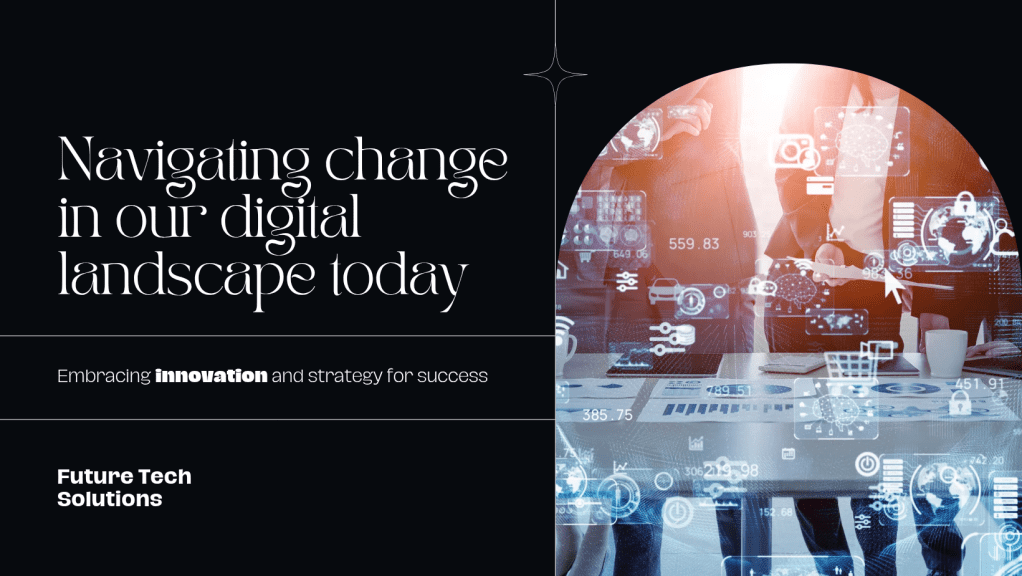
In the digital age, data, technology, and strategy are not isolated concepts but intricately connected pillars driving business success. As technology evolves at breakneck speed, understanding this dynamic relationship becomes critical for organizations striving to maintain competitive advantage.
The Core Connection: Data Fuels Technology, Technology Powers Strategy
At the heart of every technological advancement lies data – the raw material that feeds algorithms, powers artificial intelligence, and shapes innovation. Conversely, technology provides the tools and platforms necessary to collect, process, and analyze vast amounts of data. The strategic layer then translates these insights into actionable plans, influencing everything from product development to market positioning.
This cyclical relationship forms the backbone of modern enterprises. Companies that effectively harness data through technology can craft strategies that are agile, customer-centric, and future-proof. For example, e-commerce giants like Amazon leverage data from millions of transactions to optimize inventory, personalize customer experiences, and forecast trends, all driven by advanced machine learning algorithms.
Rapid Technological Change: A Double-Edged Sword
While the rapid pace of technological change opens doors to innovation, it also presents challenges. Technologies that were cutting-edge yesterday can become obsolete overnight. This volatility necessitates that businesses adopt a flexible, iterative strategic approach – one that can pivot as new tools and data streams emerge.
Consider the telecommunications industry. With the advent of 5G, companies must not only invest in new infrastructure but also rethink their data strategies to leverage higher speeds and lower latency. Failing to do so risks losing market share to more agile competitors.
Data as the Compass for Strategy
In times of fast technological transformation, data acts as a compass, guiding strategic decisions. Organizations that continuously collect and analyze data can detect emerging trends and pivot before the competition. This is particularly evident in the fintech sector, where real-time data analytics enables faster fraud detection, dynamic pricing, and personalized financial products.
Moreover, strategic use of data can uncover hidden opportunities. Netflix, for example, uses viewer data to inform content production, ensuring that new shows align with audience preferences. This data-driven strategy has been instrumental in the company’s global dominance in streaming.
Building a Synergistic Framework
To fully capitalize on the relationship between data, technology, and strategy, businesses must integrate these elements seamlessly. This involves:
1. Investing in Scalable Technology – Cloud computing, AI, and IoT platforms allow organizations to scale operations and adapt to new data streams.
2. Prioritizing Data Quality – Strategic decisions are only as good as the data informing them. Emphasis must be placed on collecting accurate, relevant, and timely data.
3. Creating Cross-Functional Teams – Bridging the gap between data scientists, IT professionals, and strategic leaders fosters a collaborative environment where insights translate into action.
4. Continuous Learning and Adaptation – Organizations must stay abreast of technological advancements and be prepared to iterate strategies as new capabilities emerge.
In an era where technology evolves faster than ever, the interplay between data, technology, and strategy determines business resilience and success. By recognizing and nurturing this relationship, companies can not only survive but thrive in the face of constant technological disruption. The key lies in viewing data as a strategic asset, technology as an enabler, and strategy as the roadmap that ties it all together.
 "Connecting communities, empowering nations: Unifying the Regional and Global Economy ."
Leave a comment