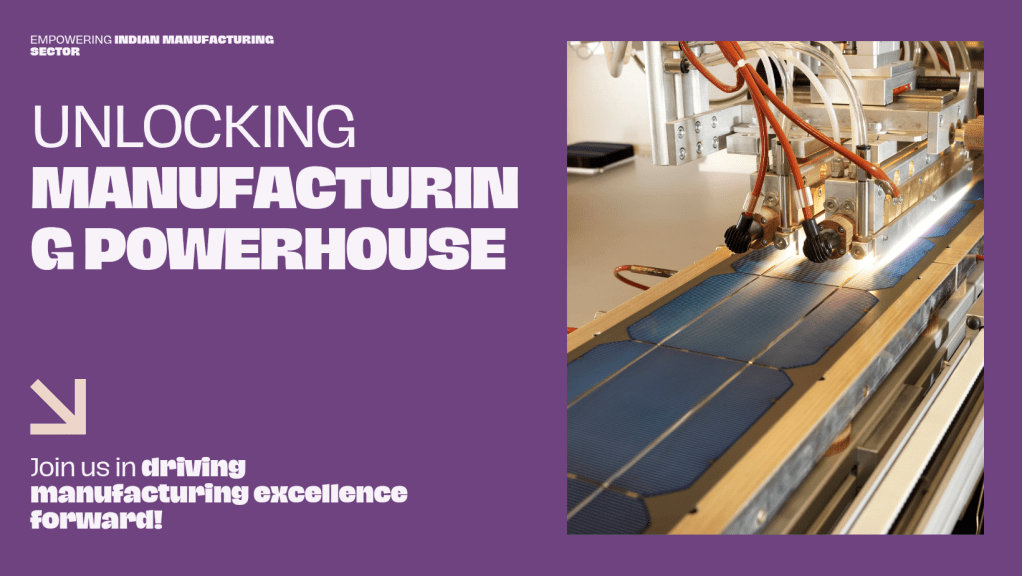
India’s Production Linked Incentive (PLI) scheme has emerged as a flagship initiative to boost domestic manufacturing and make the country a global production hub. With an allocation exceeding ₹1.97 lakh crore (approximately $26 billion) across key sectors, the scheme promises financial incentives to companies meeting production targets. But the pressing question remains – will the PLI scheme truly reshape India’s manufacturing landscape?
Understanding the PLI Scheme
The PLI scheme, introduced in 2020, is aimed at encouraging both local and global firms to expand their manufacturing capabilities in India. It spans 14 sectors, including electronics, pharmaceuticals, automobiles, and renewable energy. By offering incentives tied to incremental production, the government hopes to enhance competitiveness, reduce import dependency, and generate employment.
Key sectors covered include:
Electronics and IT hardware – ₹40,951 crore
Automobile and Auto Components – ₹57,042 crore
Pharmaceuticals – ₹15,000 crore
Solar PV Modules – ₹24,000 crore
Telecom and Networking Products – ₹12,195 crore
The Promise – What the Government Envisions
The Indian government projects the PLI scheme to add $520 billion to the economy over the next five years. By targeting industries with high growth potential, it anticipates a multiplier effect, fostering ancillary industries, increasing exports, and attracting foreign direct investment (FDI).
Key objectives include:
1. Boosting Export Competitiveness – By enhancing production capabilities, India can penetrate global markets more effectively.
2. Job Creation – The manufacturing sector has the potential to generate millions of jobs, particularly in labor-intensive sectors like textiles and electronics.
3. Reducing Import Dependency – Encouraging domestic production reduces reliance on imports, strengthening India’s supply chain resilience.
Realistic Assess
Potential and Pitfalls
While the PLI scheme appears promising, its success hinges on several factors:
1. Sectoral Impact
Some sectors like mobile manufacturing have already shown positive results. Global giants like Apple and Samsung have ramped up their production facilities in India. However, sectors like pharmaceuticals and solar PV modules are yet to witness large-scale outcomes. This uneven impact raises concerns about whether all sectors will benefit equally.
2. Supply Chain Bottlenecks
A thriving manufacturing sector requires a robust supply chain ecosystem. India still grapples with infrastructural bottlenecks, including logistics inefficiencies, high cost of capital, and delays in land acquisition. Unless these systemic issues are addressed, the PLI scheme alone may not yield the desired transformation.
3. Skill Development Gap
Manufacturing growth relies heavily on a skilled workforce. Despite significant efforts, India’s skill development initiatives lag behind industry needs. Sectors like electronics require specialized skills that are currently in short supply. Bridging this gap is crucial for the scheme’s long-term success.
4. Dependence on Global Supply Chains
The ongoing geopolitical shifts and supply chain disruptions (like semiconductor shortages) expose vulnerabilities in India’s reliance on global inputs. The PLI scheme’s success in sectors like electronics hinges on India’s ability to localize component production, which is a long-term process.
Early Wins – Case Studies from Electronics and Automobiles
1. Mobile Manufacturing – India became the second-largest mobile phone producer globally in 2022, driven by the PLI scheme. Companies like Foxconn and Wistron have expanded operations, positioning India as a key global production hub.
2. Automobiles – Electric vehicle (EV) manufacturers have received a significant boost through the scheme, fostering innovation and attracting investments in battery production and auto components.
Critical Challenges – Is It Enough?
1. Capital-Intensive Nature – Some sectors, like pharmaceuticals and advanced technology, require massive capital investment. Small and medium enterprises (SMEs) may find it challenging to participate fully in the scheme.
2. Policy Continuity – Consistency in policy is vital. Uncertainty or frequent changes could deter long-term investments. Maintaining a stable policy environment is crucial for building investor confidence.
3. Global Competition – Countries like Vietnam, Indonesia, and Bangladesh are also aggressively vying for manufacturing investments. India must ensure that its incentives remain competitive to attract foreign players.
Looking Ahead – What Needs to Be Done?
1. Infrastructure Development – Fast-tracking infrastructure projects, improving logistics, and reducing bureaucratic red tape will enhance India’s manufacturing competitiveness.
2. Research and Development (R&D) Focus – Encouraging innovation and R&D will ensure that Indian manufacturers produce high-value products rather than low-cost, low-margin goods.
3. Cluster Development – Building industrial clusters and special economic zones (SEZs) around PLI sectors can create ecosystems that drive efficiency and growth.
A Step in the Right Direction, but Not a Panacea
The PLI scheme is undoubtedly a transformative initiative, but it cannot function in isolation. It must be supplemented with broader economic reforms, infrastructure improvements, and skill development programs. While the scheme has laid the groundwork for boosting India’s manufacturing prowess, sustained effort and strategic alignment with global market trends will determine whether it achieves its ambitious goals.
The road ahead is challenging, but with the right mix of policy measures and private sector participation, the PLI scheme has the potential to reshape India’s manufacturing sector for decades to come.
 "Connecting communities, empowering nations: Unifying the Regional and Global Economy ."
Leave a comment