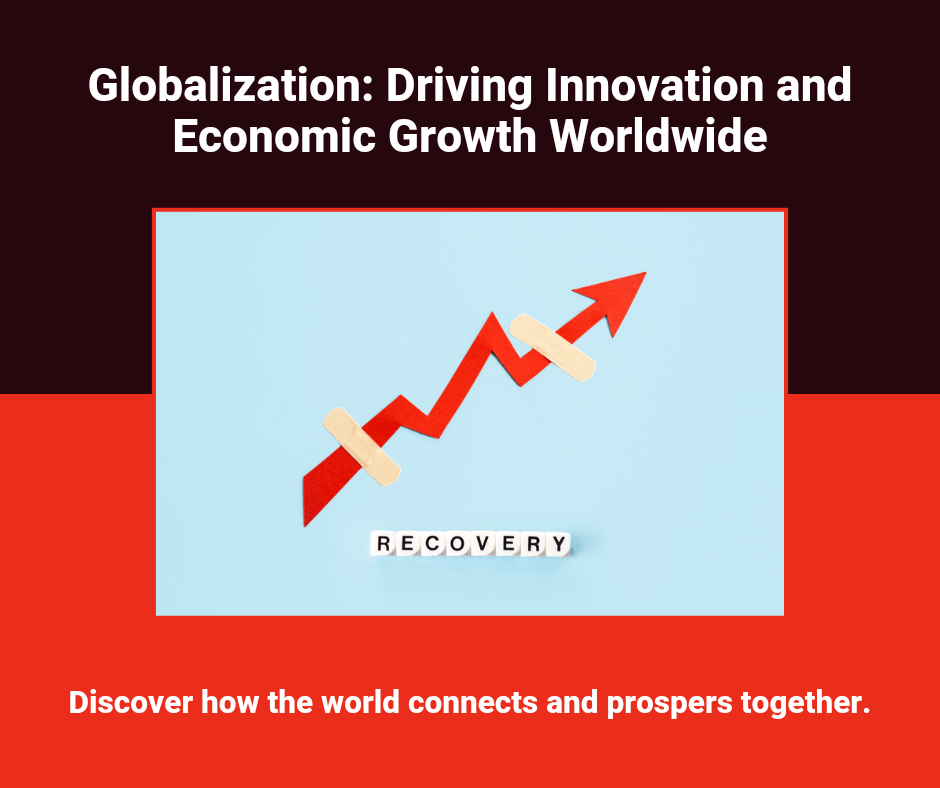
In an increasingly interconnected world, globalization has become a driving force behind many facets of modern life, including the way innovations spread across the globe. One particularly compelling concept in this context is the Diffusion of Innovations. But how exactly does globalization influence the diffusion of new technologies, and what does this mean for productivity and economic growth? Let’s delve into these questions.
Understanding the Diffusion of Innovations
Before we explore the connection to globalization, it’s essential to understand what the Diffusion of Innovations entails. First introduced by sociologist Everett Rogers in 1962, this theory explains how, why, and at what rate new ideas and technologies spread within cultures. According to Rogers, the diffusion process involves several key stages:
1. Knowledge:Awareness of innovation.
2. Persuasion:Forming a favorable or unfavorable attitude towards innovation.
3. Decision: Deciding whether to adopt or reject the innovation.
4. Implementation: Putting the innovation to use.
5. Confirmation: Reinforcing the decision to adopt innovation.
This cycle, when applied on a global scale, can have profound implications for economic and technological landscapes.
Globalization as a Catalyst
Globalization, characterized by the increased interconnectedness of countries and cultures, plays a pivotal role in accelerating the diffusion of innovations. Here’s how:
1. Enhanced Communication and Information Flow
The advent of the internet, social media, and other communication technologies has made information dissemination faster and more accessible than ever before. A breakthrough in one part of the world can be known globally within minutes, sparking interest and investigations that can lead to widespread adoption.
2. International Trade and Investment
Global trade agreements and the lowering of trade barriers have made it easier for countries to exchange goods and services. Multinational corporations and foreign direct investment bring new technologies and innovations to different parts of the world, facilitating their adoption in new markets.
3. Collaborative Research and Development
Globalization fosters international partnerships and collaborations. Universities, research institutions, and corporations across the globe now frequently work together on projects, pooling their knowledge and resources to innovate more rapidly. These global collaborations can lead to more effective and efficient diffusion of innovations.
4. Mobility of People
The movement of people across borders, whether for work, study, or tourism, helps in spreading ideas and knowledge. Skilled professionals often bring new practices and technologies to the countries they migrate to, contributing to the local adoption of innovations.
How Technology Transfers Contribute to Productivity and Economic Growth
The accelerated diffusion of innovations through globalization has tangible benefits for societies worldwide. One of the most notable advantages is the boost in productivity. Here’s how it plays out:
1. Adoption of Efficient Practices
When new technologies and innovative practices are adopted, they often bring about more efficient ways of doing things. This can include improved manufacturing processes, better agricultural techniques, or advanced software solutions. These efficiencies lead to higher productivity, enabling economies to produce more with the same or fewer resources.
2. Skill Development and Employment
The introduction of new technologies often requires new skills. This creates the need for training and education, which in turn can lead to an upskilling of the workforce. Higher-skilled workers are generally more productive and can contribute to economic growth.
3. Creation of New Industries
Innovations can give rise to entirely new industries. For example, the development of the internet has birthed the digital economy, which encompasses a wide range of new businesses and services. These new industries create jobs, drive economic activity, and contribute to growth.
4. Enhanced Global Competitiveness
Countries that are quick to adopt and diffuse new innovations often become more competitive on the global stage. Enhanced competitiveness can lead to increased exports, attracting foreign investment, and overall economic prosperity.
Globalization has undoubtedly made the world a smaller place, creating pathways for innovations to travel and take root at unprecedented speeds. This accelerated **Diffusion of Innovations** brings with it marked improvements in productivity, fueling economic growth and fostering global development. As we continue to navigate the complexities of an interconnected world, leveraging the benefits of globalization will be crucial in addressing the challenges and opportunities that lie ahead.
In essence, while innovations spark the flame, it is globalization that fans the fire, spreading the warmth of progress and prosperity worldwide.
 "Connecting communities, empowering nations: Unifying the Regional and Global Economy ."
Leave a comment