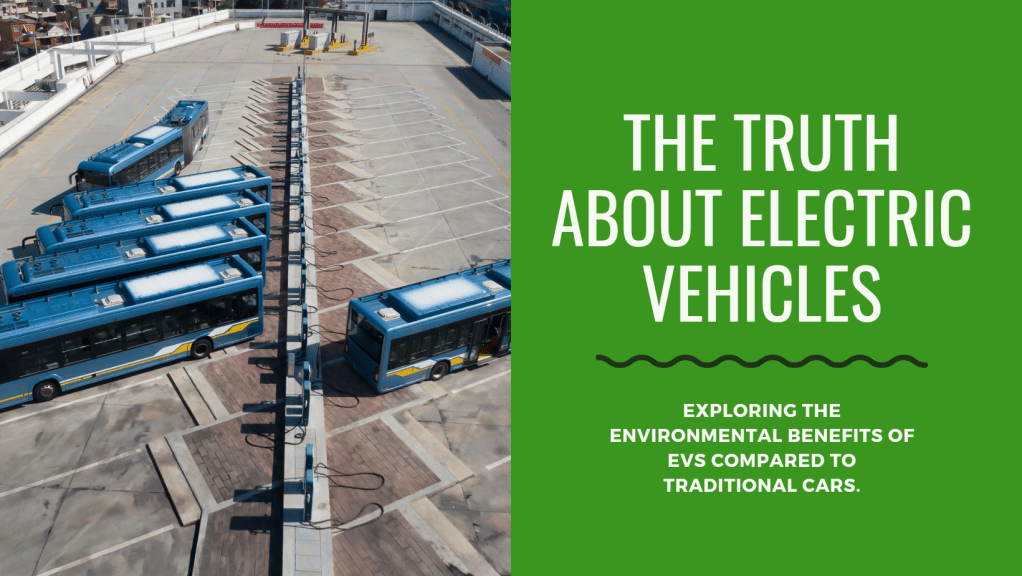
Electric vehicles (EVs) are often celebrated as the vanguard of a cleaner, more sustainable future. With their zero tailpipe emissions and sleek modern design, EVs have become synonymous with environmental consciousness. However, as the adoption of EVs accelerates, questions about their true environmental impact have emerged, particularly concerning the resources required for their production.
The Hidden Cost of Mining
One of the most significant environmental concerns with EVs lies in the mining and processing of the raw materials needed for their batteries. Unlike traditional petrol and diesel vehicles, which rely on relatively abundant materials, EVs require substantial quantities of lithium, cobalt, nickel, and other minerals. Recent reports indicate that the production of an electric vehicle requires up to six times more mining products than a conventional vehicle.
The extraction and processing of these minerals are not without significant environmental consequences. Mining operations often result in deforestation, habitat destruction, and soil and water pollution. For instance, cobalt mining in the Democratic Republic of Congo has been linked to severe ecological degradation and human rights abuses, including child labor. Similarly, lithium extraction, predominantly in South America’s “Lithium Triangle,” can lead to water shortages and contamination, adversely affecting local communities and ecosystems.
Carbon Footprint of EV Production
The production of EVs, particularly their batteries, is energy-intensive and contributes to a higher initial carbon footprint compared to conventional vehicles. The manufacturing process involves substantial emissions of greenhouse gases (GHGs), which raises concerns about the true carbon efficiency of EVs over their entire lifecycle.
However, it’s crucial to consider the long-term perspective. While the initial production of an EV is more carbon-intensive, studies show that over the lifespan of the vehicle, EVs can result in significantly lower GHG emissions compared to their petrol and diesel counterparts. This reduction is primarily due to the absence of tailpipe emissions and the increasing shift towards renewable energy sources for electricity generation.
The Renewable Energy Factor
The environmental impact of EVs is closely tied to the source of electricity used to charge them. In regions where the electricity grid is powered predominantly by fossil fuels, the benefits of EVs can be diminished. Conversely, in areas with a high penetration of renewable energy, such as wind, solar, and hydroelectric power, EVs offer a much cleaner alternative.
Countries like Norway, which generate the majority of their electricity from renewable sources, showcase the potential for EVs to operate with minimal environmental impact. As the global energy landscape continues to evolve, with a strong push towards green energy, the environmental credentials of EVs are likely to improve.
The Road Ahead: Balancing Benefits and Challenges
Despite the challenges, the transition to electric vehicles represents a critical step towards reducing our reliance on fossil fuels and combating climate change. Innovations in battery technology, such as solid-state batteries and recycling methods, are being developed to mitigate the environmental impact of battery production and disposal.
Additionally, advancements in sustainable mining practices and the increased use of recycled materials in battery production can further reduce the ecological footprint of EVs. Governments and industry stakeholders must collaborate to ensure that the extraction of necessary minerals is conducted responsibly and sustainably.
While electric vehicles are not without environmental challenges, particularly concerning resource extraction and initial production emissions, they still hold significant potential for reducing the overall carbon footprint of transportation. The key lies in continuing to develop and implement greener technologies, enhancing recycling efforts, and transitioning to renewable energy sources. By addressing these issues, we can move closer to realizing the full environmental benefits of electric vehicles and making them a truly green option for the future.
 "Connecting communities, empowering nations: Unifying the Regional and Global Economy ."
Leave a comment