India Remakes its Model for Handling Textile Waste
Introduction:
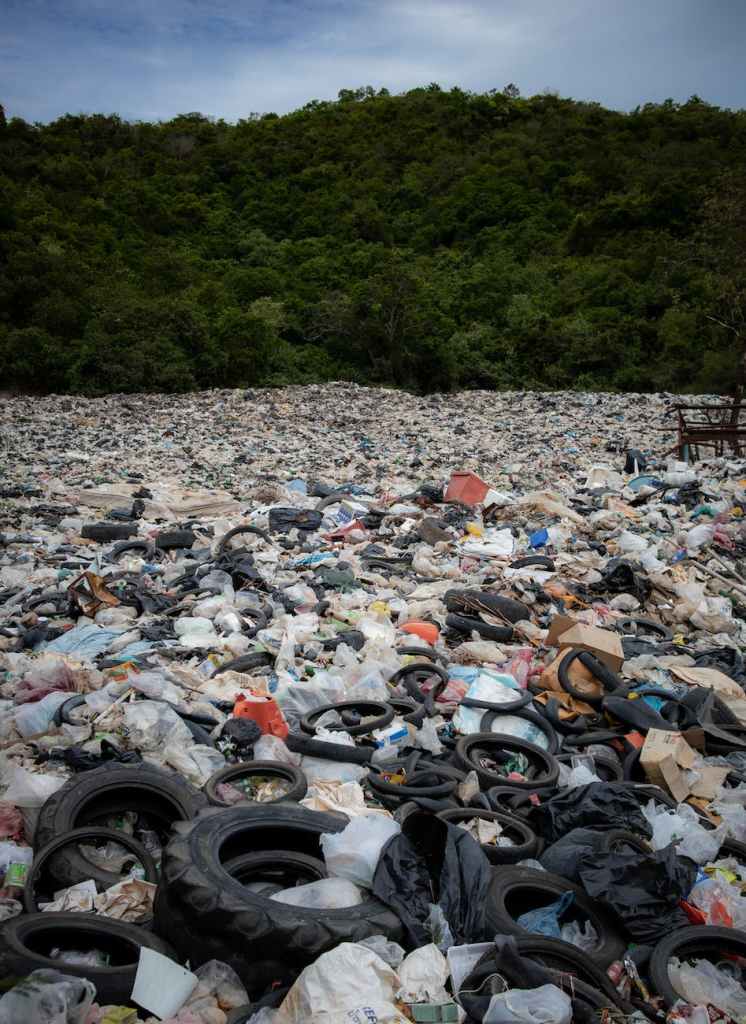
The textile industry is known for being one of the most polluting industries globally. With the increasing demand for fast fashion and throwaway culture, textile waste has become a significant environmental challenge. The improper handling of textile waste leads to the generation of greenhouse methane gas, chemical pollution, and contamination of groundwater and soil. This report explores the challenges associated with sustainable textile waste handling and suggests potential solutions.
1. Low recycling rate:
One of the primary challenges in sustainable textile waste handling is the low recycling rate. Compared to other materials, textiles have one of the lowest recycling rates due to their complex composition. Textile products often consist of various materials such as natural fibers, synthetic fibers, and blends. Separating these materials for recycling is a labor-intensive and technically challenging process. As a result, textiles are often discarded in landfills or incinerated, contributing to environmental pollution.
2. Lack of infrastructure:
The lack of infrastructure for textile recycling is another hurdle in achieving sustainable waste handling. Textile recycling requires specialized equipment and facilities to sort, clean, and process different types of textiles. However, the investment required for setting up such infrastructure on a large scale is often prohibitive. Moreover, due to the absence of dedicated recycling facilities, many textile products end up in general waste streams, further exacerbating the problem.
3. Consumer behavior:
Consumer behavior plays a crucial role in sustainable textile waste handling. Many consumers dispose of textiles in the trash without considering the environmental impact. This behavior stems from a lack of awareness about textile waste and the importance of recycling. Educating consumers about the consequences of textile waste and promoting recycling initiatives can help shift consumer behavior towards more sustainable practices.
4. Chemical pollution:
Textile waste contributes to chemical pollution through the leaching of toxic chemicals and dyes into the groundwater and soil. These chemicals are often used during textile production and can have detrimental effects on both the environment and human health. Proper handling and disposal of textile waste are essential to prevent further contamination. Implementing regulations and strict guidelines for the use and disposal of harmful chemicals in the textile industry can help mitigate this challenge.
5. Non-biodegradable synthetic fibers:
The increased focus on non-biodegradable synthetic fibers in textile production poses a significant challenge in waste handling. Synthetic fibers, such as polyester and nylon, are derived from fossil fuels and take centuries to decompose in landfill sites. While recycling synthetic fibers is possible to some extent, the process is complex and costly. Finding alternative, sustainable materials for textile production and encouraging the reuse and upcycling of existing synthetic textile waste can help address this challenge.
Solutions:
To overcome the challenges of sustainable textile waste handling, several solutions can be implemented:
1. Creation of renewable raw material sources: Encouraging the use of renewable and biodegradable raw materials in textile production can reduce reliance on non-sustainable resources. This could include promoting organic cotton, hemp, and other natural fibers.
2. Rethinking production: Reducing waste at the source by implementing lean manufacturing practices and efficient production techniques can minimize textile waste generation.
3. Maximum use and reuse of textile products: Encouraging consumers to extend the lifespan of textile products through repair, alteration, and upcycling can help reduce textile waste. Supporting initiatives like clothing swaps and secondhand markets can also promote reuse.
4. Reproduction and recycling strategies: Developing advanced recycling technologies for textiles and investing in the research and development of innovative recycling methods can increase the recycling rate of textile waste.
5. Redistribution of textiles: Establishing systems for redistributing textile waste to new markets, such as by donating secondhand clothing to developing countries or repurposing textile waste for industrial applications, can reduce the volume of waste sent to landfills.
6. Policy guidelines: Policymakers can play a crucial role in promoting sustainable textile waste handling by developing guidelines and regulations for the industry. This can include setting recycling targets, incentivizing recycling initiatives, and imposing stricter regulations on the use of harmful chemicals.
Conclusion:
The challenges of sustainable textile waste handling require a holistic approach involving governments, industry stakeholders, consumers, and researchers. By addressing the low recycling rate, improving infrastructure, promoting consumer awareness, reducing chemical pollution, and finding alternatives to non-biodegradable synthetic fibers, the textile industry can move towards a more sustainable and circular model. Implementing the suggested solutions, along with effective policy measures, will be crucial in achieving sustainable textile waste handling and reducing the environmental impact of the industry.
Citations
The Environmental Crisis Caused by Textile Waste – RoadRunner Recycling
Source: https://www.roadrunnerwm.com/blog/textile-waste-environmental-crisis
Eco-Sustainability of the Textile Production: Waste Recovery and Current Recycling in the Composites World – PMC – NCBI
Source: https://www.ncbi.nlm.nih.gov/pmc/articles/PMC7796070/
Introducing the Sustainability Challenge of Textiles and Clothing – Springer
Source: https://link.springer.com/article/10.1007/s10603-016-9336-6
A Review on Textile Recycling Practices and Challenges – MDPI
Source: https://www.mdpi.com/2673-7248/2/1/10
Circular Economy and Sustainability of the Clothing and Textile Industry – PMC – NCBI
Source: https://www.ncbi.nlm.nih.gov/pmc/articles/PMC8257395/
Textile Recycling: Drivers & Challenges – AFRY
Source: https://afry.com/en/insight/textile-recycling-drivers-challenges
What is Textile waste? Definition, Meaning and Types
Source: https://textileapex.com/what-is-textile-waste-definition-meaning-and-types/
The Monster in our Closet: Fast Fashion & Textile Waste on the Rise
Source: https://www.centerforecotechnology.org/fast-fashion-textile-waste/
 "Connecting communities, empowering nations: Unifying the Regional and Global Economy ."
Leave a comment